YoungPost Club Learn
DOWNLOAD OUR APP
appstoregoogleplay
FIND US AT
My JourneyMy Vocabulary BuilderMy Leaderboard
My AccountSearchFAQAbout UsContact Us
Subscription Plan
School Subscription
YOUNG POST
NewsTrendingBeing wellLearning zoneShare with usQuizzes
SPARK
NewsTrendingBeing wellLearning zoneShare with usQuizzes
POSTIES
Big readEye on the newsHa-ha-happeningsThings to doYour saySteam studioHealth and happinessQuizzes
Subscribe to Young Post Club to access our great content
ABOUT US|CONTACT US|WRITE FOR US|PRIVACY POLICY|TERMS & CONDITIONS
©2026 Young Post Club. All rights reserved.
My Journey Hello
Brand Avatar
Young Post
My Journey illustration

With a subscription, you can answer quizzes and track your reading progress.

result
Learn new words with our vocabulary challenge!
My Journey illustration

With a subscription, you can answer quizzes and track your reading progress.

result
Learn new words with our vocabulary challenge!
My Journey illustration

With a subscription, you can answer quizzes and track your reading progress.

Read / Eye on the news

How a Berlin wild bird centre safeguards urban avian families

When urban ducks nest on balconies, terraces and in backyards, they put themselves and their babies in danger
bydpa
Published: 11:45pm, 16 Jun 2024
Length: 198 words
How a Berlin wild bird centre safeguards urban avian families

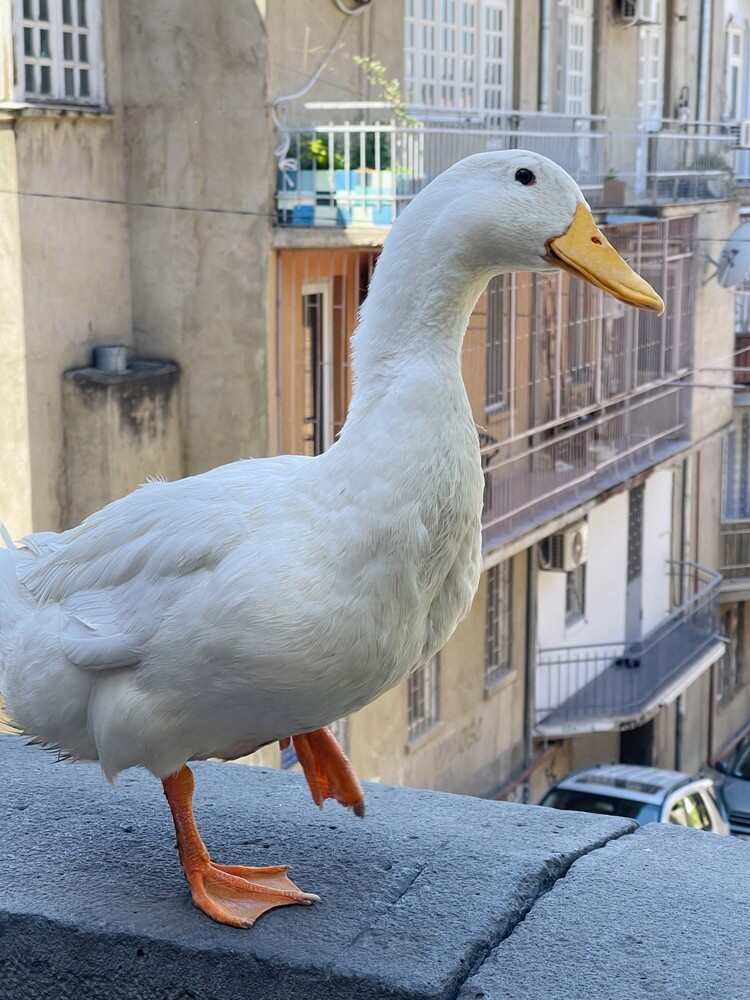
Ducks have found ways to survive in urban areas, but it is still not easy for them adapt to being around so many humans. Photo: Shutterstock

Difficulty: Summiteer (Level 3)

Ducks living in cities often breed in flower pots on balconies and roof terraces, as these offer a sheltered spot. But it is challenging for them to safely move their babies to a nearby lake or river after they hatch.

Marc Engler and his colleagues at the NABU Berlin wild bird centre have been helping mallard ducks move for several years. Once the chicks hatch, the journey to the water can be life-threatening.

Engler and his team are receiving more calls to help these ducks. Last year, they had reports of 200 mallard broods, though the true number of ducks breeding close to humans is likely far higher.

The relocation assistance helps the ducks, but there is also a risk that the birds will become too accustomed to this service in the long term. Ideally, people should go into their balconies often to discourage ducks from breeding there.
IN THIS ARTICLE
News from Europe
Animals

KEEP READING
cover
Eye on the news
British comedian John Oliver draws attention to New Zealand’s annual beauty contest for birds
26 Nov 2023
cover
STEAM studio
Penguins face a new climate challenge 
15 Mar 2023
cover
Big read
Australians and cockatoos fight the 'battle of the bins'
21 Sep 2022