Difficulty: Summiteer (Level 3)
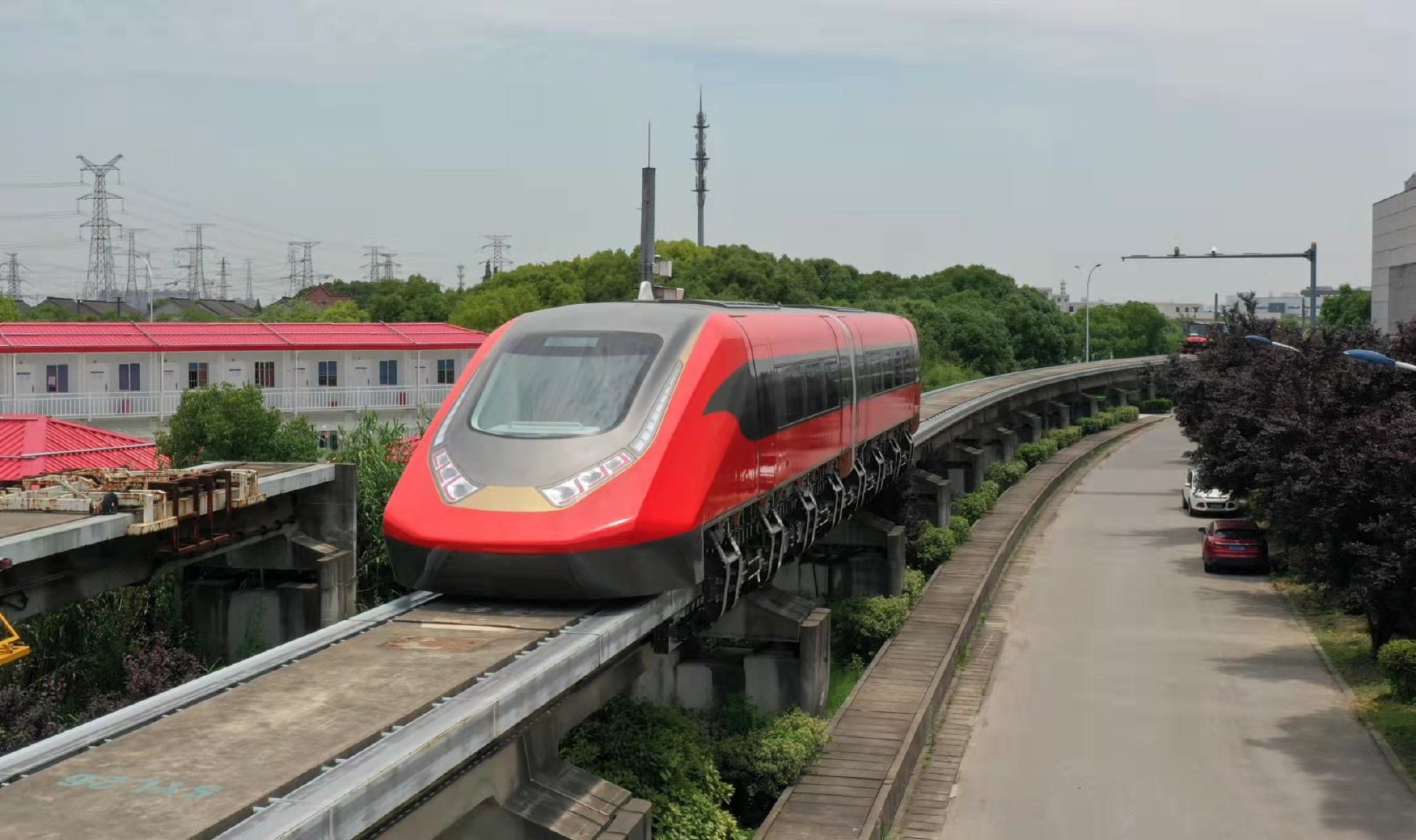
Junior secondary school students in Hong Kong will learn about mainland China’s scientific achievements under a proposed revamp of the science subject.
The Education Bureau published a draft of the revised structure for the science subject for Form One to Three.
The bureau said one goal of the change was to help students “recognise the contributions and major achievements made by our country in scientific development”.
The updated syllabus, once confirmed, would take effect from the 2027-28 academic year. Schools could begin introducing it in parts in 2025-26.
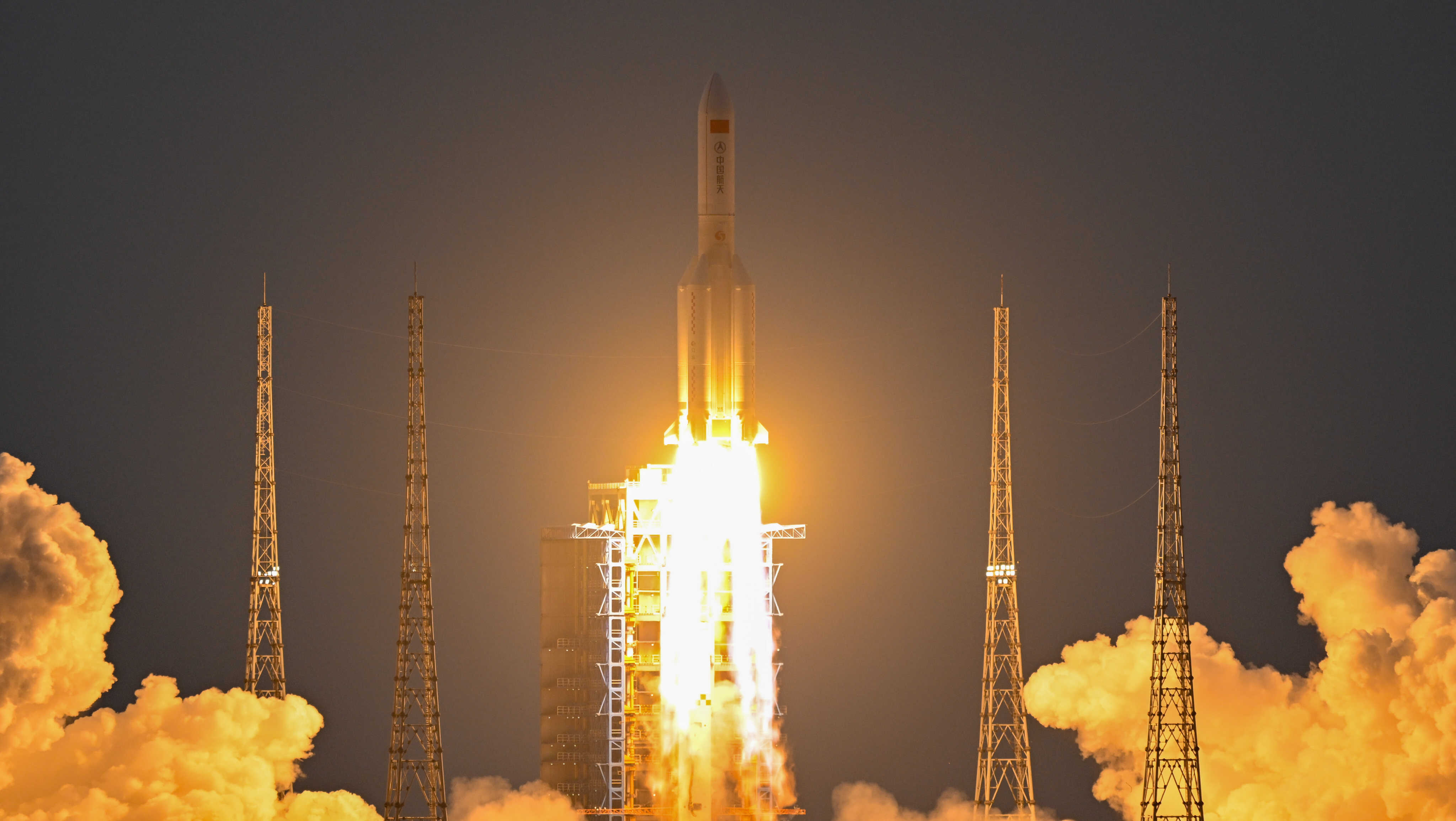
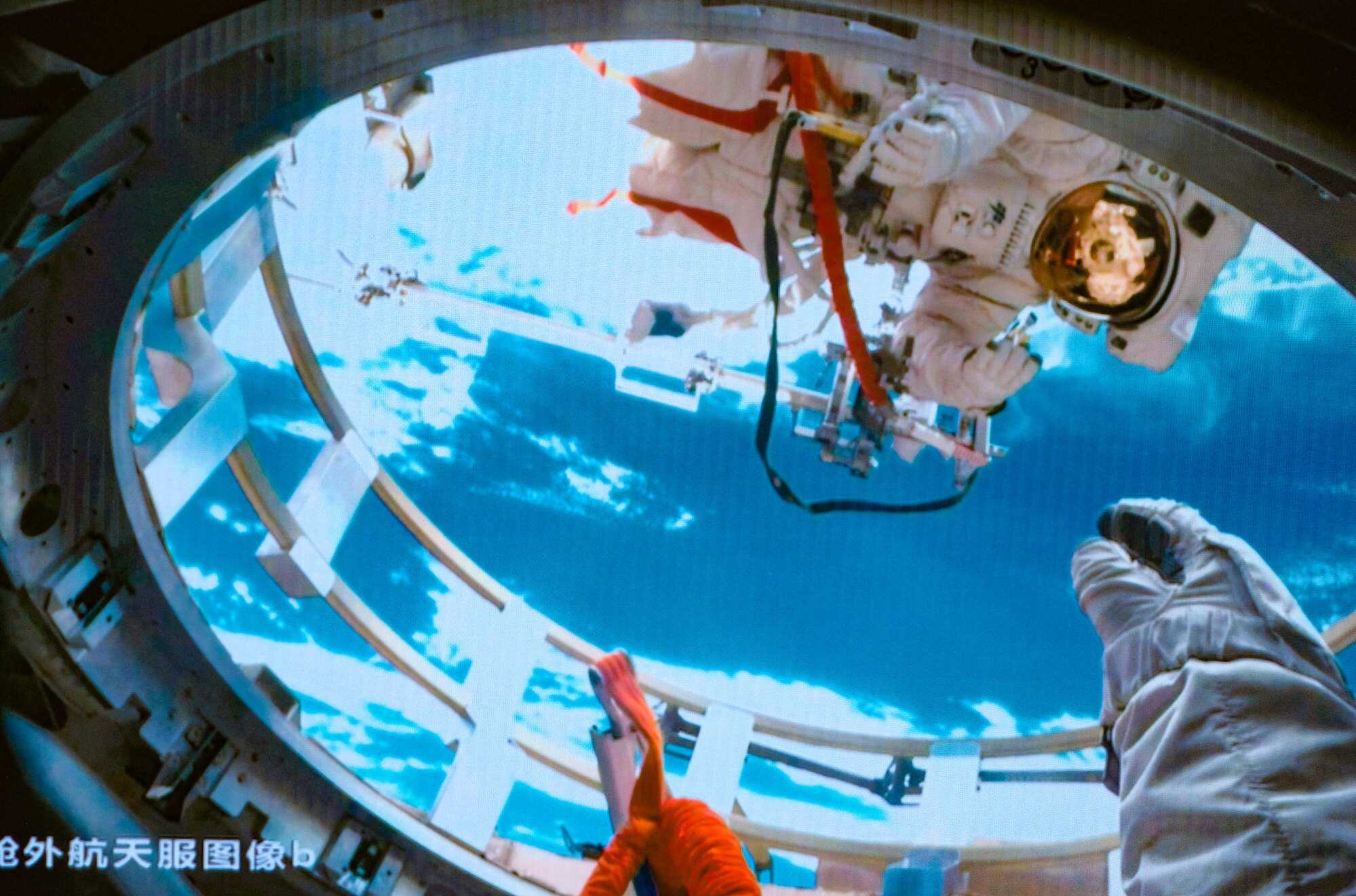
The bureau said the subject would cover 13 topics, including a unit called “Earth and Space”. Under this new unit, students would learn about the major achievements in China’s space exploration activities, such as the Tiangong Space Station.
They must also learn about the contribution of local scientists in national space research projects.
The draft document said activities for students could include searching for information about the mainland’s development of clean energy. They can also watch clips about the lives of Chinese astronauts on the Tiangong Space Station and visit a local aerospace science education centre.
Quiz time
-
What will Hong Kong’s junior secondary school students learn as part of their science classes?
-
What is the goal of the revamped science curriculum?
-
When could the new science syllabus be implemented?
-
How many topics will the new subject cover?
Suggested answers
-
mainland China’s achievements in science
-
to help students recognise the contributions and major achievements made by China in scientific development
-
from the 2027-28 academic year.
-
13