YoungPost Club Learn
DOWNLOAD OUR APP
appstoregoogleplay
FIND US AT
My JourneyMy VocabularyMy Leaderboard
My AccountSearchAbout UsContact Us
Subscription Plan
School Subscription
YOUNG POST
NewsTrendingBeing wellLearning zoneShare with usQuizzes
SPARK
NewsTrendingBeing wellLearning zoneShare with usQuizzes
POSTIES
Big readEye on the newsHa-ha-happeningsThings to doYour saySteam studioHealth and happinessQuizzes
Subscribe to Young Post Club to access our great content
ABOUT US|CONTACT US|WRITE FOR US|PRIVACY POLICY|TERMS & CONDITIONS
©2025 Young Post Club. All rights reserved.
My Journey Hello
Brand Avatar
Young Post
My Journey illustration

With a subscription, you can answer quizzes and track your reading progress.

Read / Eye on the news

Pakistan’s education crisis leaves 26 million children out of school

Main drivers behind the problem are poverty, inadequate infrastructure and extreme weather due to climate change.
byAgence France-Presse
Published: 11:45pm, 26 Jan 2025
Length: 196 words
Pakistan’s education crisis leaves 26 million children out of school

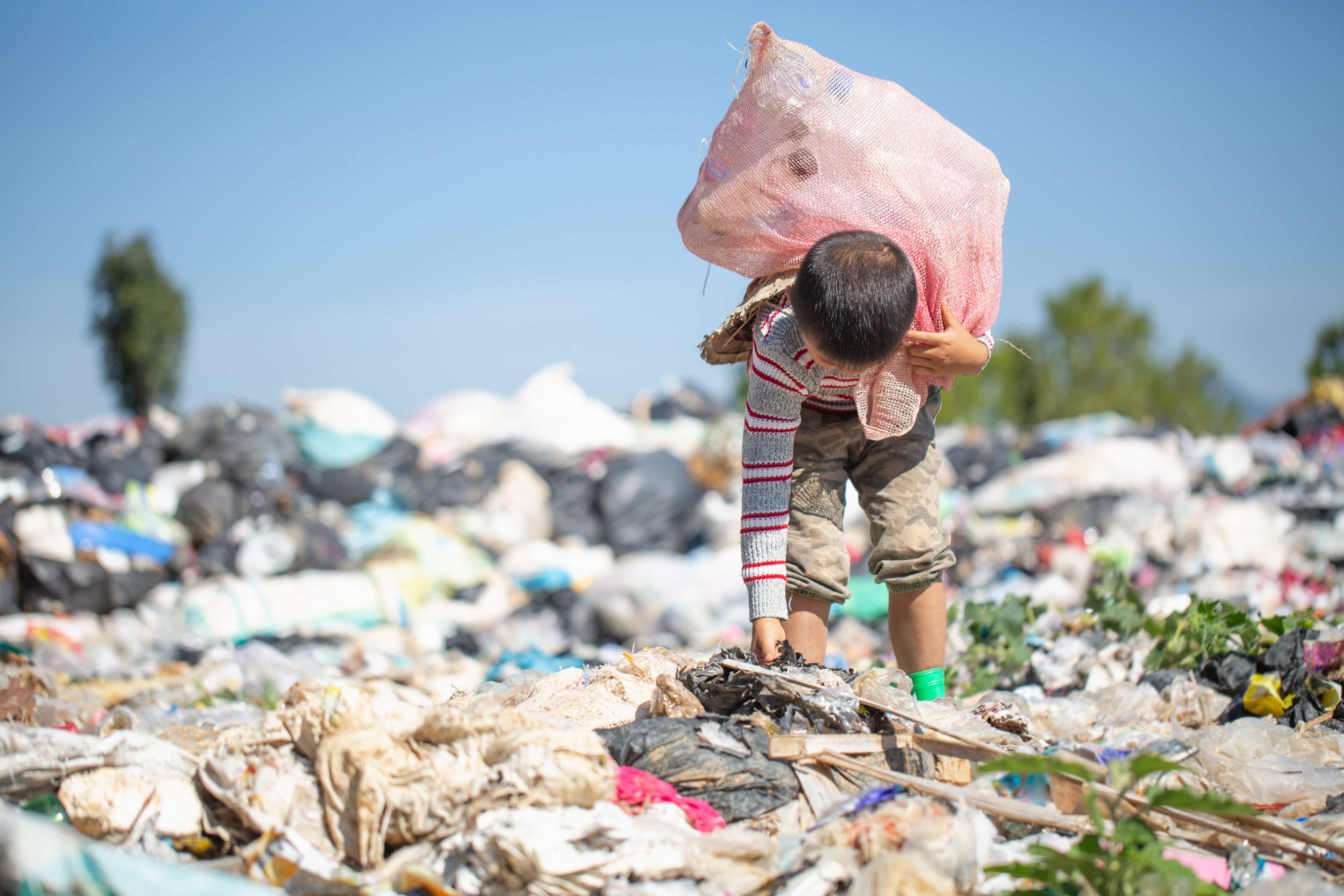
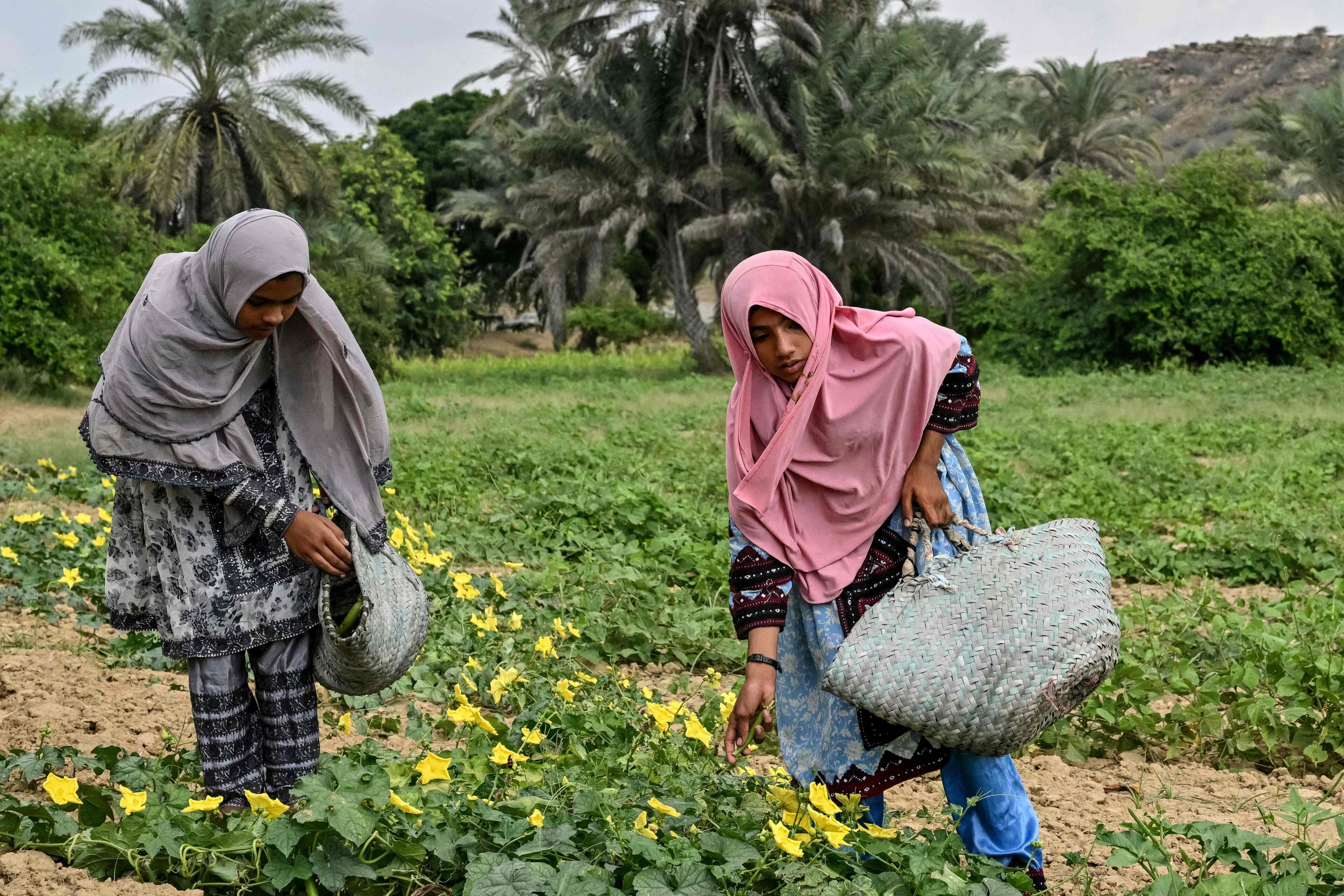
Pakistan’s education system faces a major crisis, with millions of children out of school as they need to work in the fields to support their families. Photo: AFP

Difficulty: Summiteer (Level 3)

Pakistan is facing a severe education crisis. More than 26 million children are out of school. Most of these children live in rural areas. This is one of the highest rates in the world.

Poverty is the biggest factor keeping children out of classrooms. Cultural barriers and the impacts of extreme weather caused by climate change also contribute.

School closures are often announced due to heavy smog, heatwaves and floods. Government schools are rarely equipped with heating or fans.

In the restive provinces of Balochistan and Khyber Pakhtunkhwa, education is impacted due to ongoing militancy. Due to political chaos, classes are regularly stopped in the capital, Islamabad.

According to census data, the percentage of out-of-school children aged between five and 16 dropped from 44 per cent in 2016 to 36 per cent in 2023. However, the absolute number rises each year as the population grows.

Answer: due to political chaos

IN THIS ARTICLE
News from Asia

KEEP READING
cover
Big read
Hong Kong NGO helps city’s underserved communities
28 Jul 2024
cover
Eye on the news
1 in 10 Hong Kong ethnic minority pupils get government-funded university spots
20 May 2024
cover
STEAM studio
How many people around the world live in poverty?
15 Oct 2023