YoungPost Club Learn
DOWNLOAD OUR APP
appstoregoogleplay
FIND US AT
My JourneyMy VocabularyMy Leaderboard
My AccountSearchAbout UsContact Us
Subscription Plan
School Subscription
YOUNG POST
NewsTrendingBeing wellLearning zoneShare with usQuizzes
SPARK
NewsTrendingBeing wellLearning zoneShare with usQuizzes
POSTIES
Big readEye on the newsHa-ha-happeningsThings to doYour saySteam studioHealth and happinessQuizzes
Subscribe to Young Post Club to access our great content
ABOUT US|CONTACT US|WRITE FOR US|PRIVACY POLICY|TERMS & CONDITIONS
©2025 Young Post Club. All rights reserved.
My Journey Hello
Brand Avatar
Young Post
My Journey illustration

With a subscription, you can answer quizzes and track your reading progress.

Read / Eye on the news

From ancient Rome to modern architecture: the enduring legacy of Tivoli’s travertine

Discover how the iconic stone, born from volcanic history, continues to shape buildings around the world
byAssociated Press
Published: 11:45pm, 08 Mar 2026
Length: 195 words
From ancient Rome to modern architecture: the enduring legacy of Tivoli’s travertine

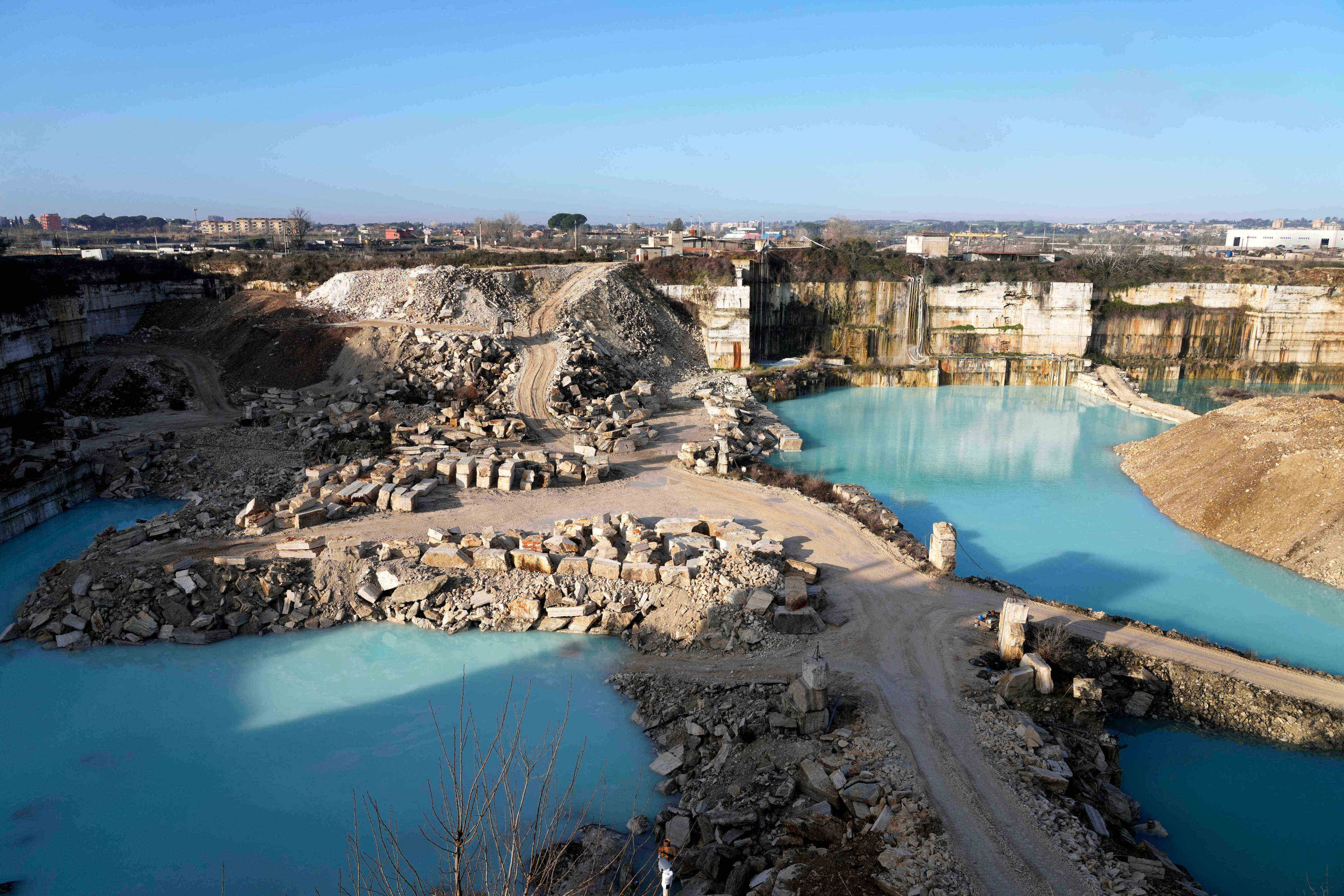
Roman travertine, quarried in Tivoli, continues to shape global architecture, from ancient temples to modern banks and homes. Photo: AP

Difficulty: Summiteer (Level 3)

A long time ago, when the Romans wanted to build a new temple, they would go to the nearby quarries in Tivoli. They would chisel out blocks of soft rock called lapis tiburtinus, which is now known as travertine. Then, they would float the blocks downstream on rafts to the workers in town.

Today, the same quarries that built Rome with their distinctive pock-marked travertine are still being dug out to build a new generation of churches, temples and mosques around the world. They are also used for constructing banks, museums, government buildings and private homes.

While other countries have versions of the sedimentary limestone, Roman travertine is unique because it is quarried underground in the sulfuric springs and basins around Tivoli.

Made up mostly of calcium carbonate minerals, Roman travertine was formed hundreds of thousands of years ago by deposits of calcium, sulfur and other minerals.
IN THIS ARTICLE
History
KEEP READING
cover
Eye on the news
Why dinosaurs preyed on Brachiosaurus babies 150 million years ago
16 Feb 2026
cover
Eye on the news
Ancient ancestors walked upright 7 million years ago, study reveals
18 Jan 2026
cover
Eye on the news
Ancient giant shark discovery rewrites history of predators in Australia.
28 Dec 2025