YoungPost Club Learn
DOWNLOAD OUR APP
appstoregoogleplay
FIND US AT
My JourneyMy VocabularyMy Leaderboard
My AccountSearchAbout UsContact Us
Subscription Plan
School Subscription
YOUNG POST
NewsTrendingBeing wellLearning zoneShare with usQuizzes
SPARK
NewsTrendingBeing wellLearning zoneShare with usQuizzes
POSTIES
Big readEye on the newsHa-ha-happeningsThings to doYour saySteam studioHealth and happinessQuizzes
Subscribe to Young Post Club to access our great content
ABOUT US|CONTACT US|WRITE FOR US|PRIVACY POLICY|TERMS & CONDITIONS
©2025 Young Post Club. All rights reserved.
My Journey Hello
Brand Avatar
Young Post
My Journey illustration

With a subscription, you can answer quizzes and track your reading progress.

Read / Eye on the news

The unexpected wealth of dung collectors in ancient China

Discover how human waste became a valuable resource in a competitive agricultural landscape
bySCMP
Published: 11:30pm, 19 Apr 2026
Length: 215 words
The unexpected wealth of dung collectors in ancient China

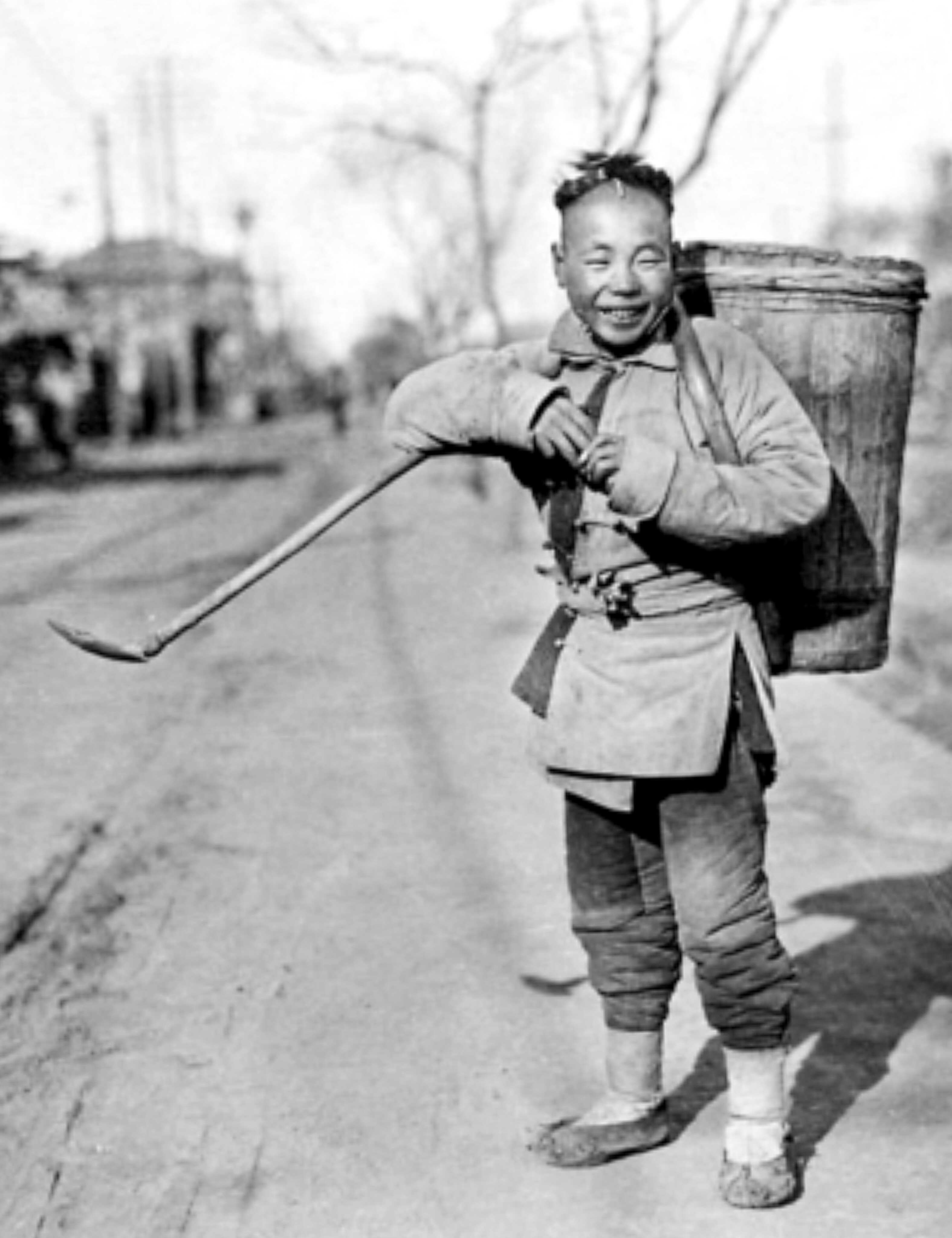
Ancient China’s “dung collectors” profited handsomely from human waste, selling it as fertiliser to farmers amidst fierce competition. Photo: baijiahao.baidu.com

Difficulty: Summiteer (Level 3)

In ancient China, there was a very profitable and competitive job called the “dung collector”.

These people collected human waste, called night soil, from residents’ chamber pots.

Because there were no modern toilets, people had to use chamber pots to hold their waste, and they couldn’t just throw it away whenever they wanted.

Waste from each home was collected by special workers called “dung collectors”.

Every day at the same time, these workers went from house to house, picking up waste and taking it to the countryside to sell.

Because China was mostly a farming country, farmers really valued this waste as fertiliser. This meant that people who collected dung could make good money.

Therefore, people would even compete for collection territories.

By the Southern Song dynasty (1127–1279), competition had become particularly intense, with collectors sometimes even taking territorial disputes to court.

During the Ming (1368–1644) and Qing (1644–1911) dynasties, the system became more organised.

Collected waste was transported to designated “fertiliser yards” outside cities, where it was processed, dried and sold to farmers for profit.
IN THIS ARTICLE
China
History
KEEP READING
cover
Eye on the news
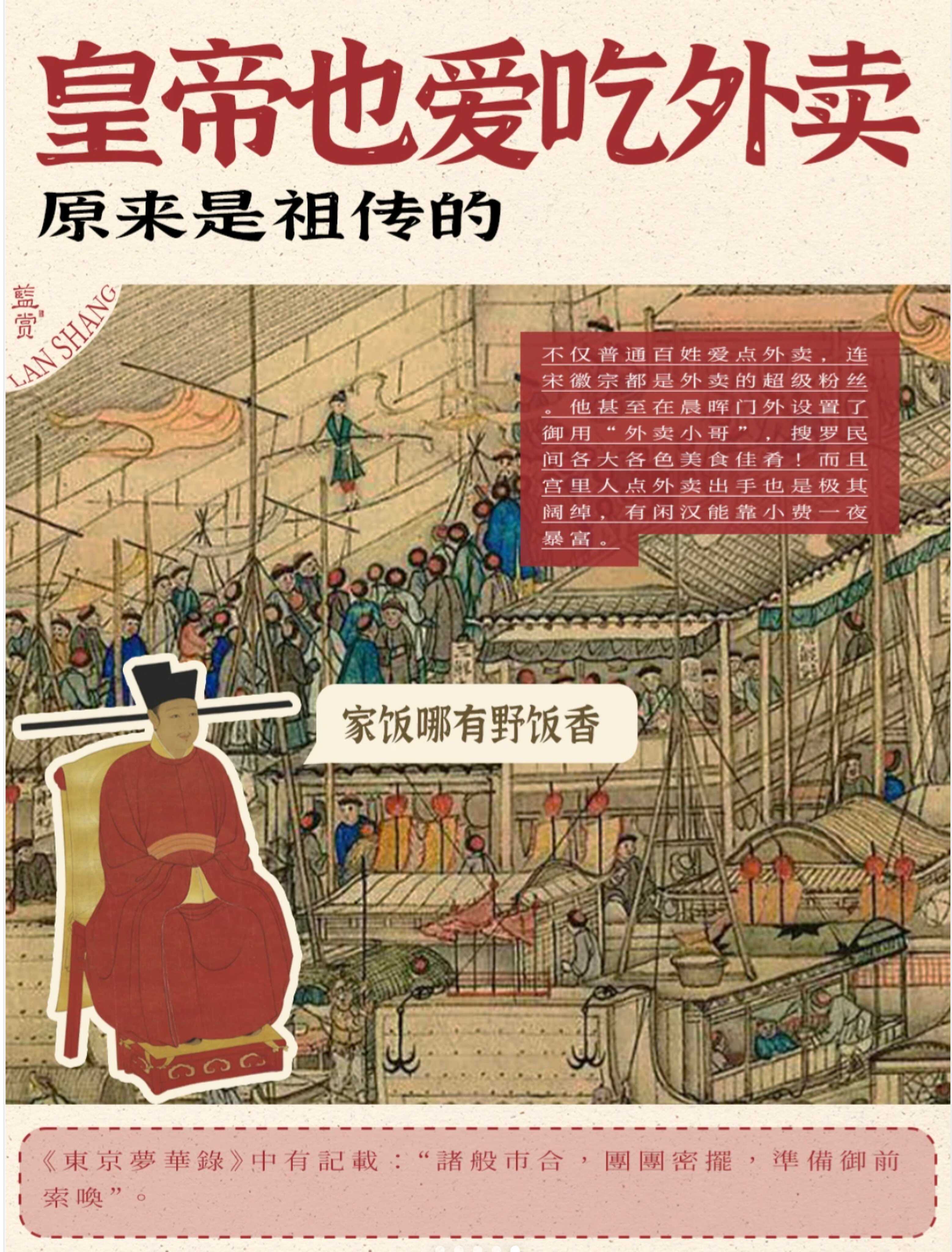
Ancient China’s surprising food delivery history
22 Mar 2026
cover
Big read
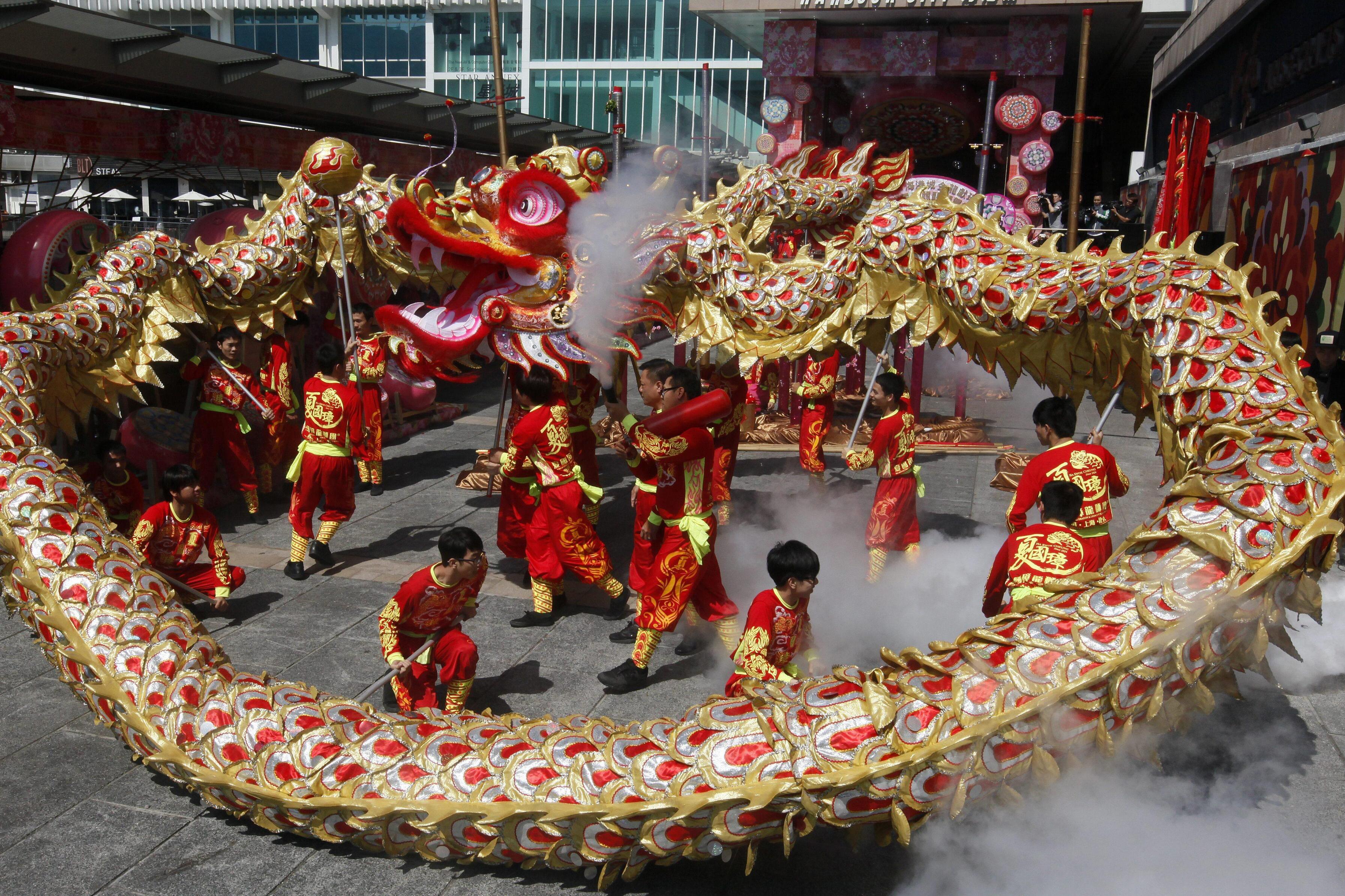
Discover the enchanting history of China’s dragon dance
09 Feb 2025
cover
Big read
How the Silk Road changed history
06 Oct 2024