Difficulty: Explorer (Level 1)
Your family’s culture is like a special recipe that makes your family unique. It includes the traditions, stories, foods and ways of doing things that have been handed down to you.
It also includes the holidays you celebrate, the languages you speak, the games you play and even the ways your family tells jokes or helps each other. Culture is the story of “us”.
Think about it. Does your family have a special meal for birthdays? Do you know a story about where your grandparents came from? Is there a song you sing together or a special way to greet your relatives? All these little things come together to make your family’s unique culture.
So, how can you explore it? It’s like being a detective on a treasure hunt! The best way to start is to ask questions. Find a cosy moment to talk to your parents, grandparents or other relatives. You can ask them about their favourite childhood memory, what school was like for them or how they met. Listen carefully to their stories; you might be surprised by what you learn.
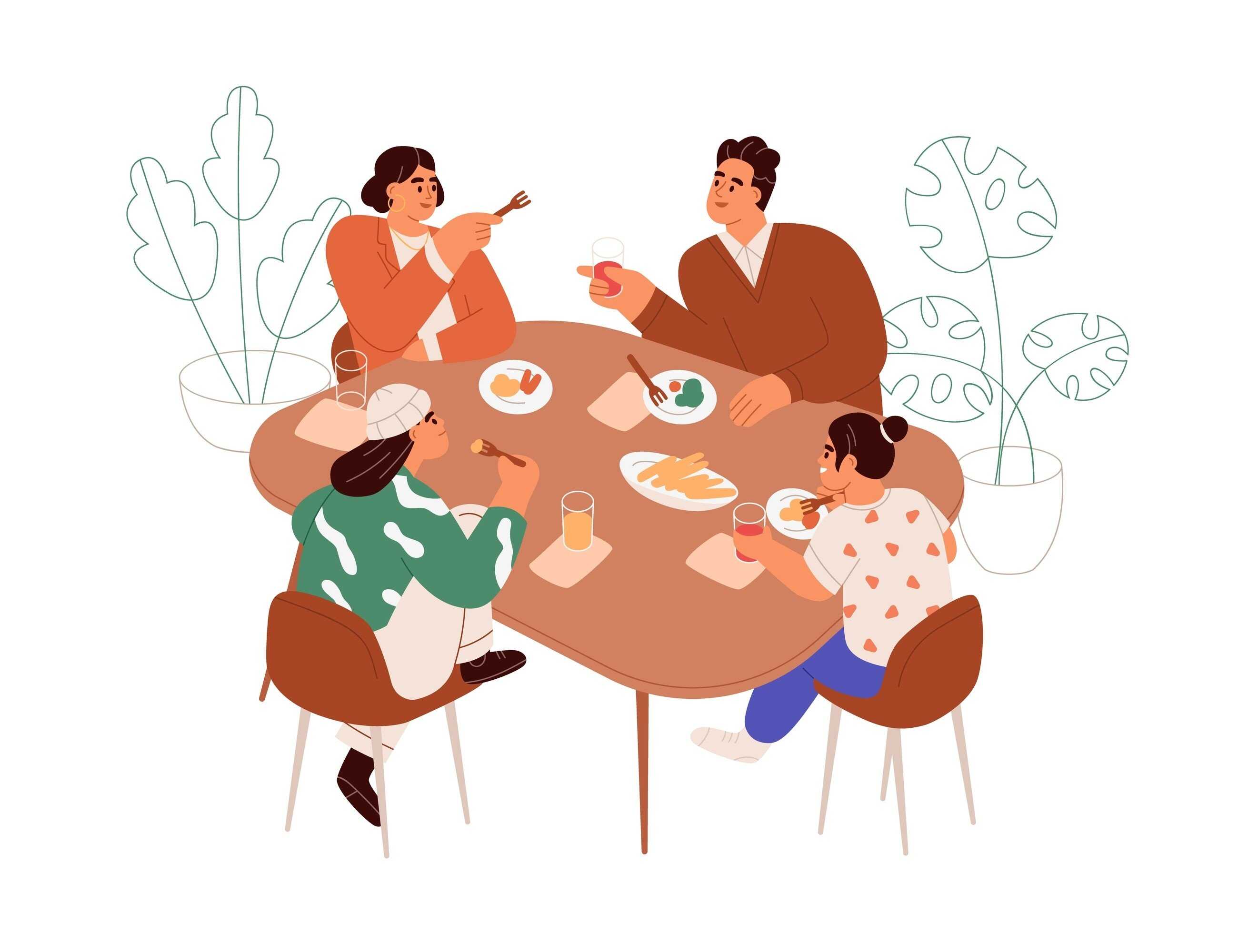
Another wonderful way to explore your family’s culture is through your senses, especially taste. Food is often a delicious piece of family history. Help an adult cook a meal that has been in your family for a long time. Ask where the recipe came from and who used to make it.
You can also look through old photo albums together. Pictures can tell amazing stories about people and places from long ago.
Finally, the next time your family celebrates a holiday or has a special gathering, pay close attention. Notice the things you always do, the decorations you put up or the songs you sing. These traditions are a living part of your culture.
Remember, your family’s culture is a gift. By exploring it, you learn about where you come from and help carry those wonderful traditions into the future.
Discovering your family’s culture helps you understand where you come from. It makes you feel connected and gives you stories that are yours to keep and someday pass on. Your story is worth discovering.