YoungPost Club Learn
DOWNLOAD OUR APP
appstoregoogleplay
FIND US AT
My JourneyMy VocabularyMy Leaderboard
My AccountSearchAbout UsContact Us
Subscription Plan
School Subscription
YOUNG POST
NewsTrendingBeing wellLearning zoneShare with usQuizzes
SPARK
NewsTrendingBeing wellLearning zoneShare with usQuizzes
POSTIES
Big readEye on the newsHa-ha-happeningsThings to doYour saySteam studioHealth and happinessQuizzes
Subscribe to Young Post Club to access our great content
ABOUT US|CONTACT US|WRITE FOR US|PRIVACY POLICY|TERMS & CONDITIONS
©2025 Young Post Club. All rights reserved.
My Journey Hello
Brand Avatar
Young Post
My Journey illustration

With a subscription, you can answer quizzes and track your reading progress.

Read / STEAM studio

Scientists journey down into one of the deepest places on Earth

byAgencies
Published: 5:20am, 14 Dec 2022
Length: 154 words
Scientists journey down into one of the deepest places on Earth

Photo: Kareen Schnabel, NIWA

In the Pacific Ocean, near New Zealand, lies one of the deepest places on Earth. The Kermadec Trench stretches more than 10km down under the sea. 

Few people have been there. But last month, an international science team explored the trench for the first time. 

"Chinese and New Zealand scientists are both excited to have this opportunity," says mission leader Peng Xiaotong.

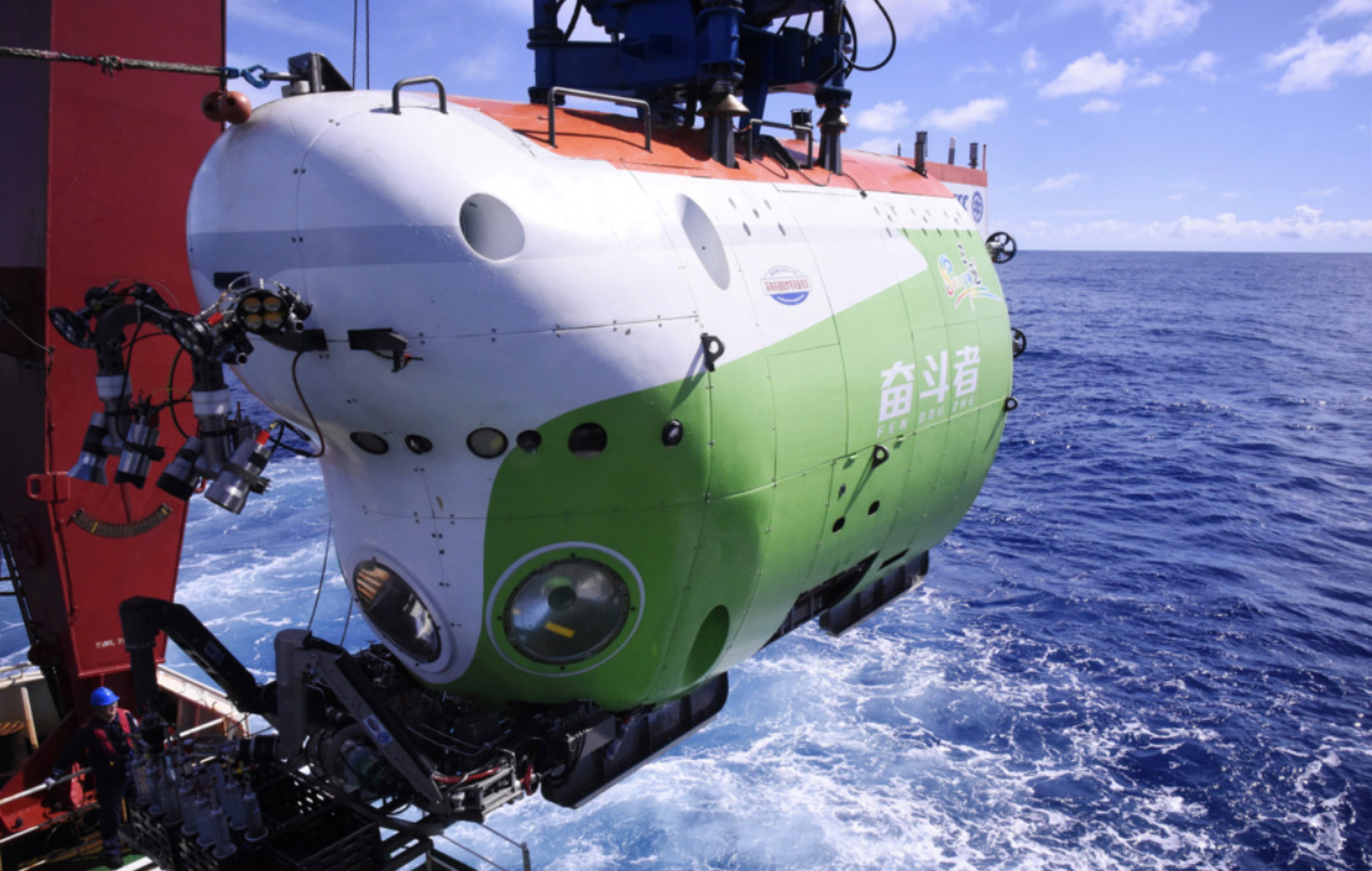
The special vessel that took the scientists down into the trench was the Fendouzhe (in the photo). It holds three people and can dive very deep.

It took them about three hours to descend to 9,110 metres below sea level. The team saw strange and rarely seen sea creatures. Peng collected rock samples.

"We were all thrilled. It was a cool opportunity because it's not easy to go down there and get samples," says Daniel Leduc, one of the other scientists.

KEEP READING
cover
STEAM studio
China builds deep-sea station to gather data and conduct experiments
02 Nov 2022
cover
STEAM studio
Why do humans get taller in space?
04 Oct 2022
cover
STEAM studio
New image of Cartwheel galaxy captured by the James Webb Space Telescope
10 Aug 2022