Difficulty: Challenger (Level 2)
Measles cases rose sharply in Europe in 2023, with 58,114 reported cases. This number was nearly 62 times higher than in 2022, according to the World Health Organization (WHO). The WHO has called for immediate vaccinations to stop the spread of the disease.
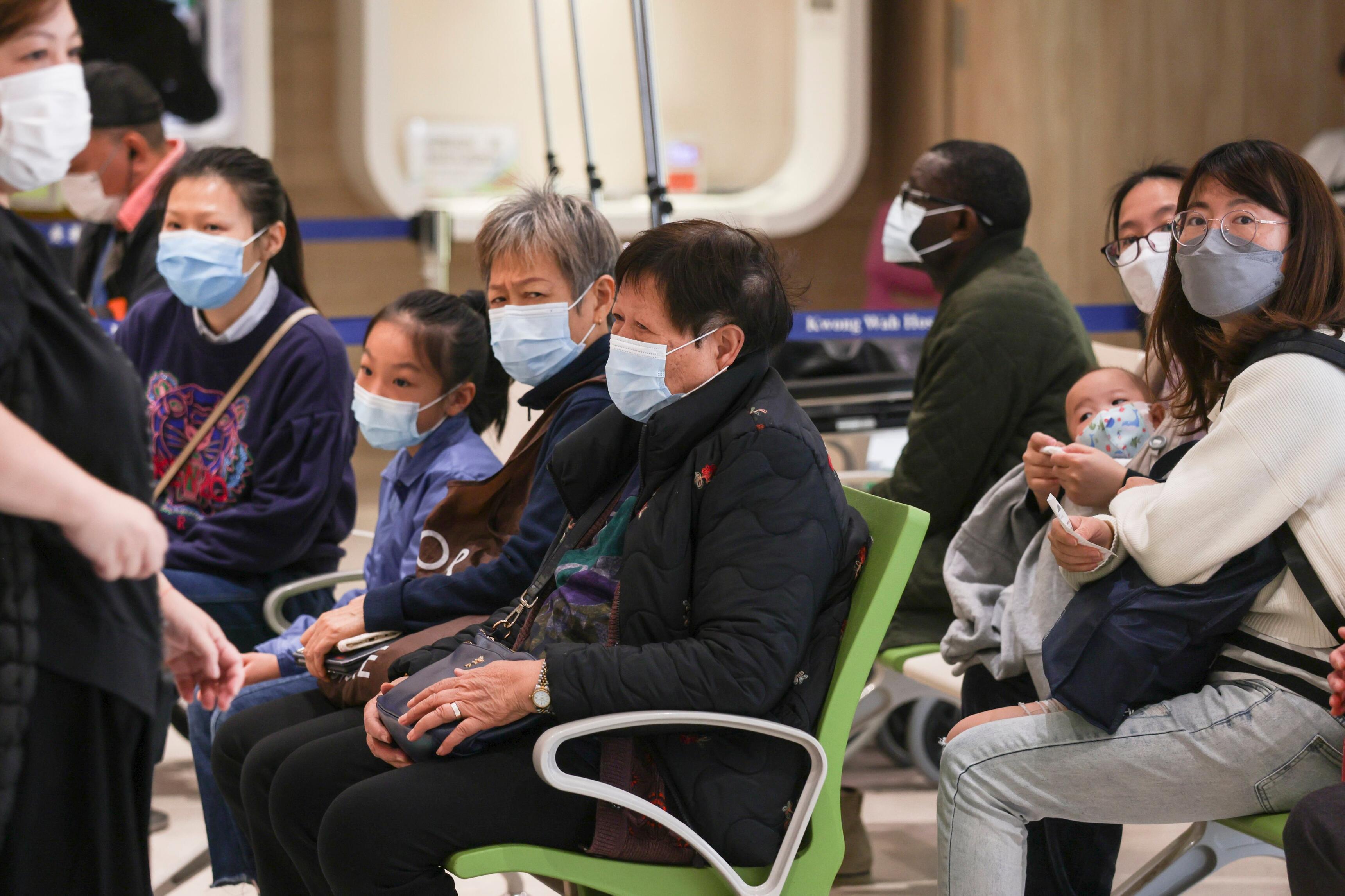
Between January and October 2023, nearly 21,000 people were sent to hospitals, and five people died from the disease.
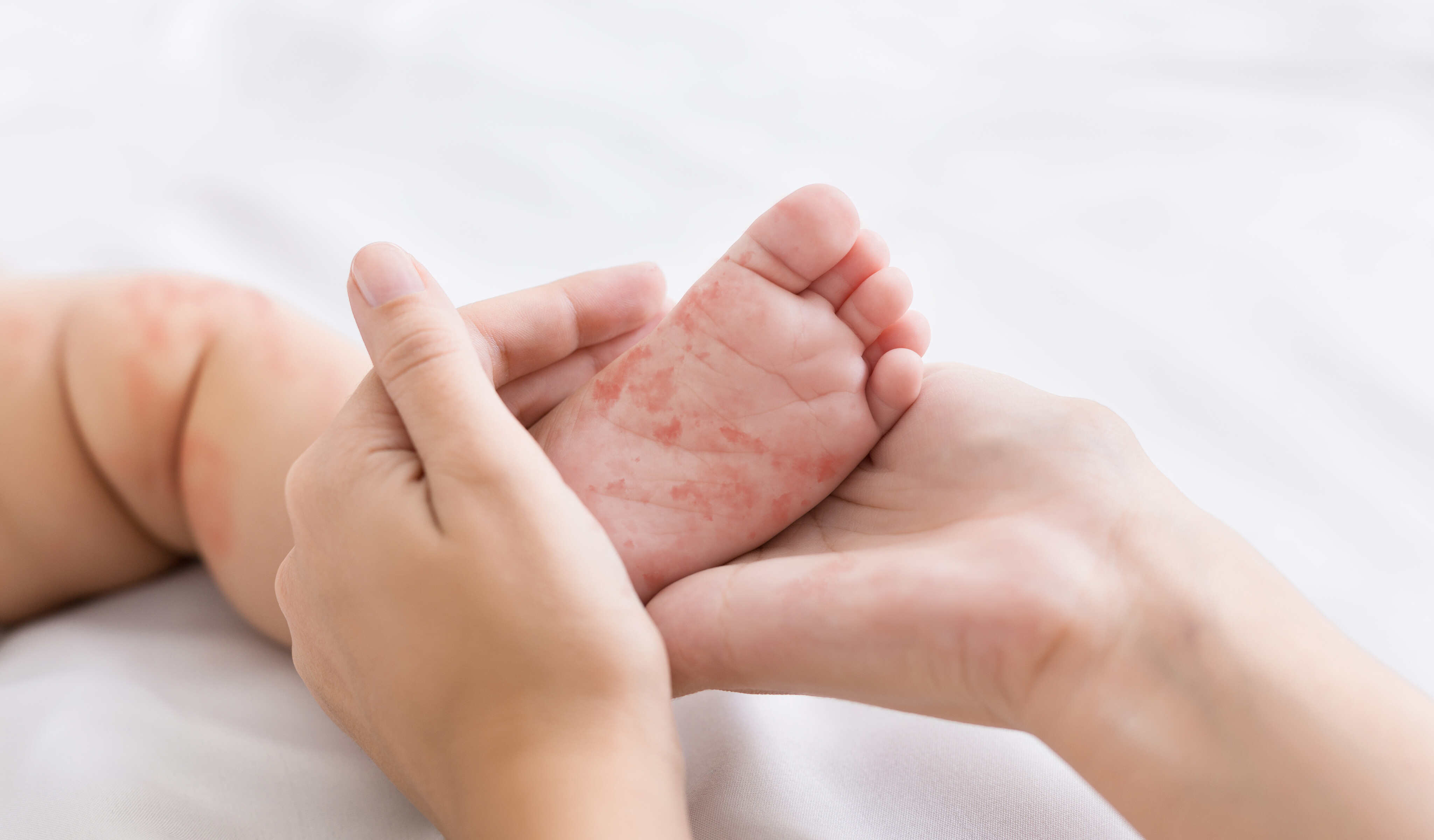
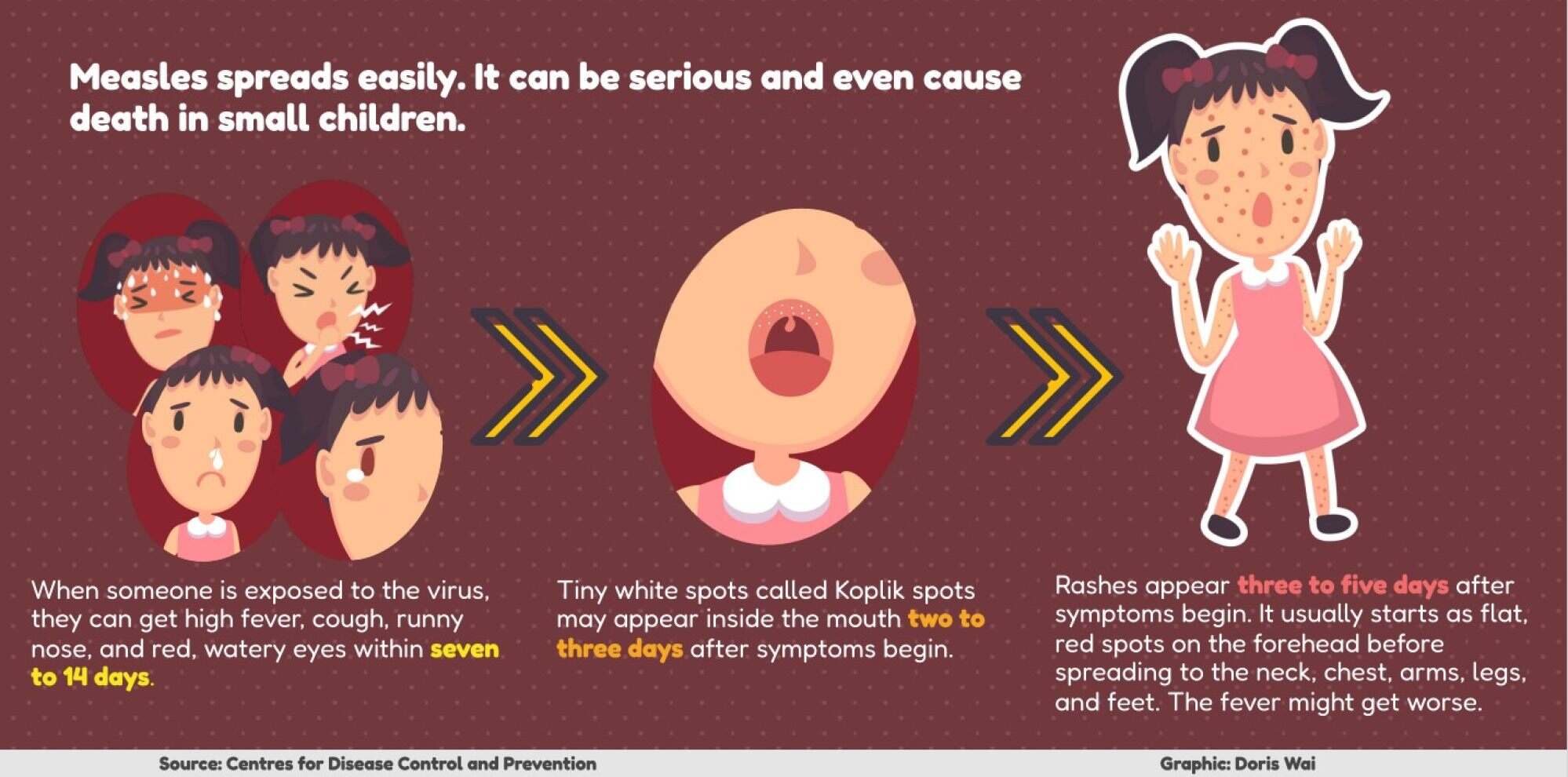
Measles is caused by a virus. It spreads easily when people breathe, cough or sneeze. It is most common in children but can affect anyone. Symptoms often include a rash, runny nose, cough and watery eyes (see graphic).
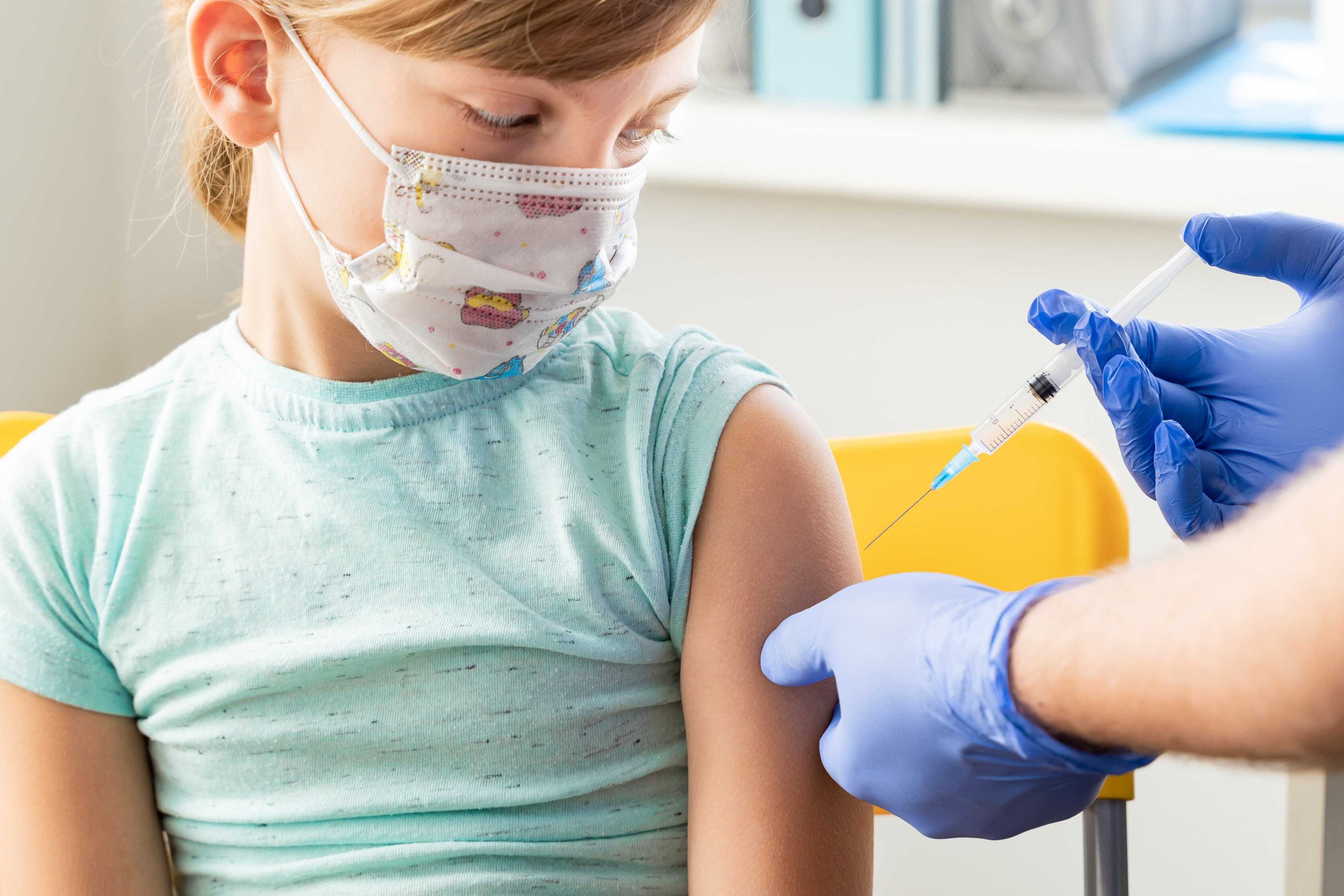
The disease can be prevented with vaccination. Measles vaccinations consist of two shots, usually one at nine months of age and the second at 15-18 months.
At least 95 per cent of an area’s children must be fully vaccinated against the disease to prevent outbreaks. Some 1.8 million infants in the WHO’s Europe region were not vaccinated against measles between 2020 and 2022.
Vaccination rates against measles have also been dropping around the world. One reason is the Covid-19 pandemic. In 2022, 83 per cent of children below one year old received their first measles vaccine compared to 86 per cent before the pandemic.
There were about 128,000 measles deaths worldwide in 2021. These mainly were children under the age of five who were under-vaccinated or unvaccinated.
The WHO says measles vaccines helped prevent 56 million deaths between 2000 and 2021.