YoungPost Club Learn
DOWNLOAD OUR APP
appstoregoogleplay
FIND US AT
My JourneyMy VocabularyMy Leaderboard
My AccountSearchAbout UsContact Us
Subscription Plan
School Subscription
YOUNG POST
NewsTrendingBeing wellLearning zoneShare with usQuizzes
SPARK
NewsTrendingBeing wellLearning zoneShare with usQuizzes
POSTIES
Big readEye on the newsHa-ha-happeningsThings to doYour saySteam studioHealth and happinessQuizzes
Subscribe to Young Post Club to access our great content
ABOUT US|CONTACT US|WRITE FOR US|PRIVACY POLICY|TERMS & CONDITIONS
©2025 Young Post Club. All rights reserved.
My Journey Hello
Brand Avatar
Young Post
My Journey illustration

With a subscription, you can answer quizzes and track your reading progress.

Read / STEAM studio

Science behind farts and why some smell way worse than others

When you digest food, your intestines produce gas to break it down; the ‘rotten egg gas’ blows the others out of the water with its odour
byThe Conversation
Published: 10:45pm, 14 Jul 2024
Length: 306 words
Science behind farts and why some smell way worse than others

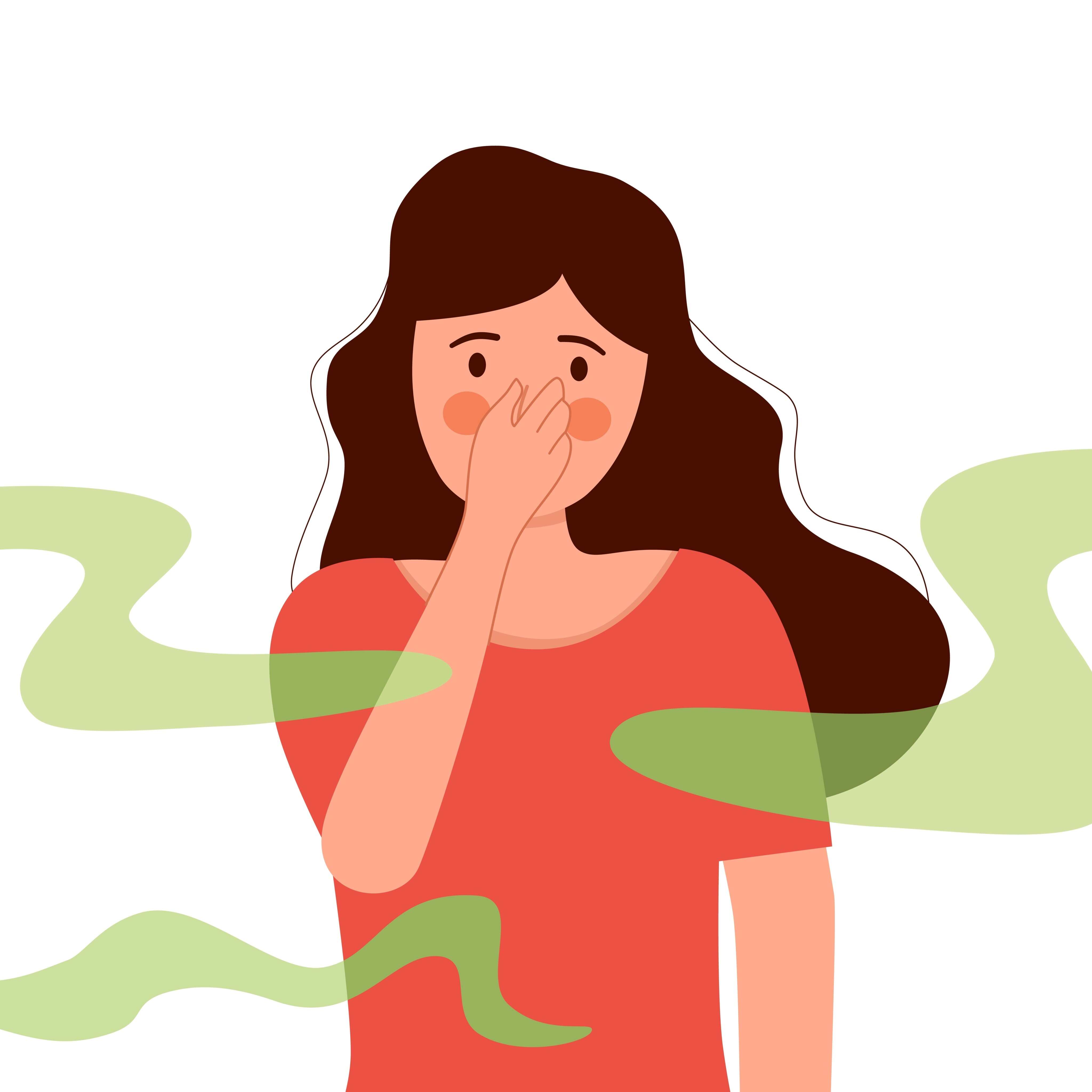
Here’s why some farts smell far, far worse than others. Photo: Shutterstock

Difficulty: Challenger (Level 2)

Why do some farts smell and some don’t?

When you digest food, your intestines produce gas as part of the process of breaking it down.

Gases like carbon dioxide, nitrogen, hydrogen and methane don’t smell at all. That is why sometimes, you can fart without anyone noticing.

But there is one gas found in some farts that is really, really smelly. It’s called hydrogen sulphide. It is nicknamed “rotten egg gas” because that is exactly what it smells like.

This is why sometimes you can let out a small fart, but everyone has to hold their nose. These smelly farts contain more hydrogen sulphide.

Your gut produces more hydrogen sulphide when you eat foods with a lot of sulphur.

These include vegetables such as broccoli, Brussels sprouts, cauliflower, cabbage, kale, turnips and Asian greens.

Meat has a lot of sulphur. If you eat a big piece of meat, your body can have trouble digesting it all at once.

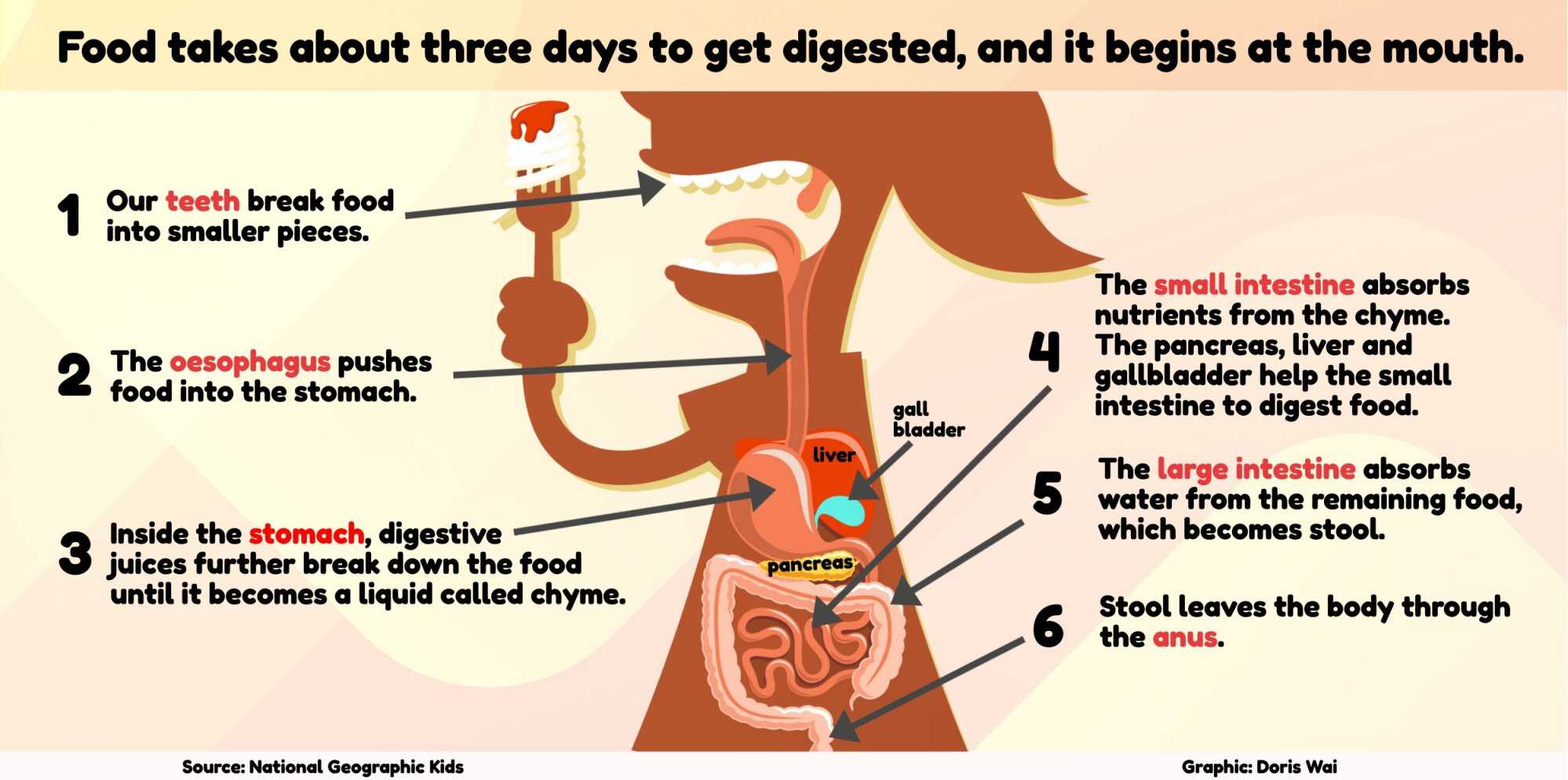
As you digest food, it moves from your stomach into the large intestine or colon (see graphic). Once the foods with sulphur get there, bugs in your gut break them down and produce the hydrogen sulphide gas.

If a lot of it builds up and gets released in a fart, it will be very, very smelly.

Clare Collins is a laureate professor in nutrition and dietetics at the University of Newcastle in Australia. This article was first published by The Conversation.

IN THIS ARTICLE
Science
Food
Learning

KEEP READING
cover
Health and happiness
Advice: My dad gets mad when I buy food instead of eating at home
03 Jun 2024
cover
STEAM studio
Science behind the perfect, bouncy boba in bubble tea
19 May 2024
cover
STEAM studio
The rare corpse flower, which smells like rotting food and sweaty socks
24 Mar 2024