YoungPost Club Learn
DOWNLOAD OUR APP
appstoregoogleplay
FIND US AT
My JourneyMy VocabularyMy Leaderboard
My AccountSearchAbout UsContact Us
Subscription Plan
School Subscription
YOUNG POST
NewsTrendingBeing wellLearning zoneShare with usQuizzes
SPARK
NewsTrendingBeing wellLearning zoneShare with usQuizzes
POSTIES
Big readEye on the newsHa-ha-happeningsThings to doYour saySteam studioHealth and happinessQuizzes
Subscribe to Young Post Club to access our great content
ABOUT US|CONTACT US|WRITE FOR US|PRIVACY POLICY|TERMS & CONDITIONS
©2025 Young Post Club. All rights reserved.
My Journey Hello
Brand Avatar
Young Post
My Journey illustration

With a subscription, you can answer quizzes and track your reading progress.

Read / STEAM studio

Rhino poaching drops in South Africa after dehorning programme

Vets carefully remove horns to deter poachers, aiming to save the endangered species
byAgence France-Presse, Doris Wai
Published: 10:45pm, 22 Sep 2024
Length: 269 words
Rhino poaching drops in South Africa after dehorning programme

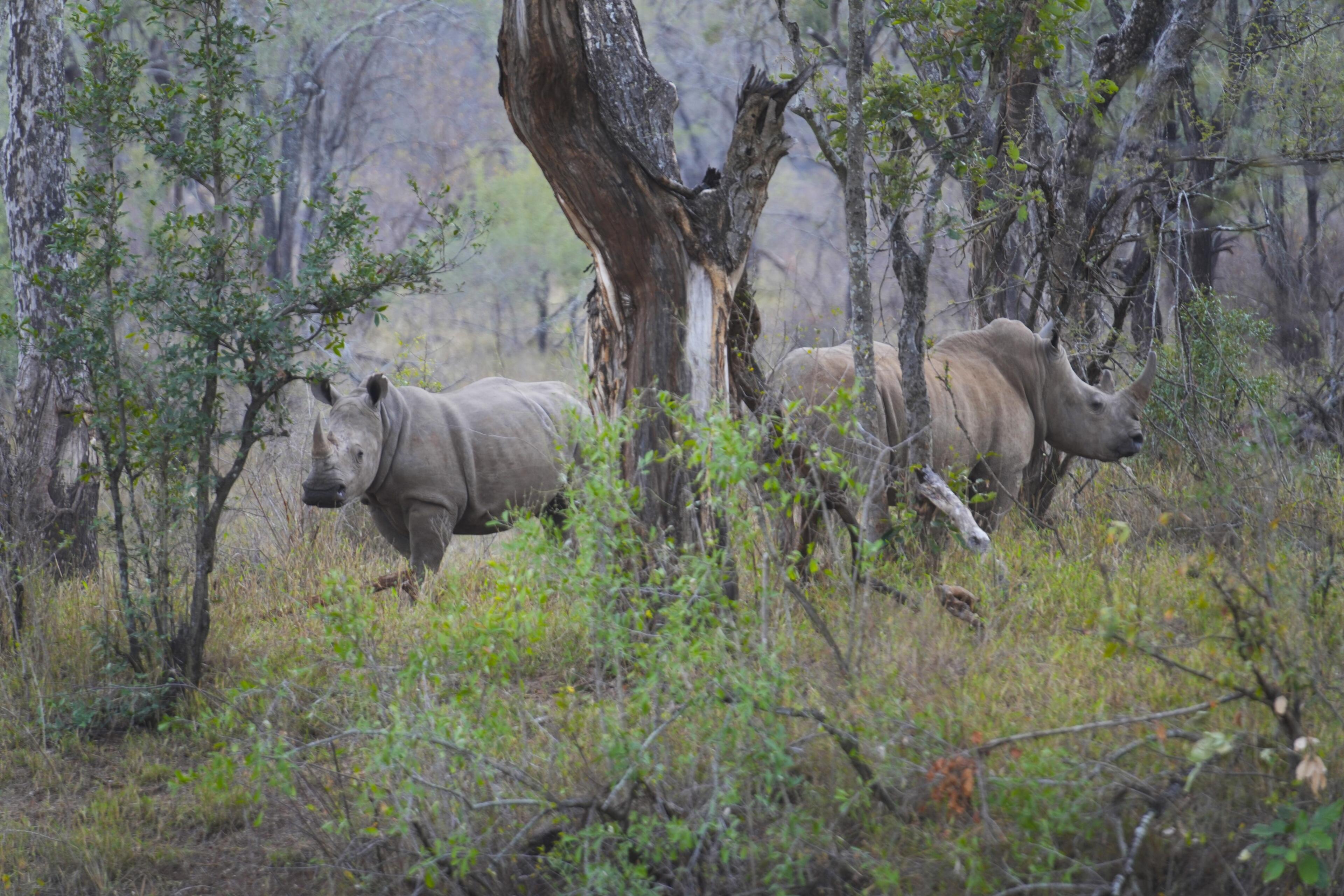
South Africa’s innovative dehorning programme has seen success in reducing rhino poaching. Photo: AP

Difficulty: Challenger (Level 2)

Rhino poaching in South Africa dipped in the first half of 2024 after the government started a programme in April to remove their horns.

The dehorning process is similar to how poachers remove an animal’s horn, but it is done by an experienced vet with great care. A pen is used to mark where to cut the horn. The cut is 7cm from the bottom of the front horn and 5cm from the bottom of the back horn.

The rhino is given a medicine so it cannot feel pain. Then, a chainsaw, a mechanical cutting tool or a wood saw cuts the horn off. The animal’s eyes and ears are covered to protect them from the noise and vibrations of the saw. After the horn is cut off, the remaining part is trimmed and covered with a special sticky substance to prevent it from cracking or drying out.

South Africa is home to the majority of rhinos in the world. This makes it popular with poachers who steal rhinos for horns (see graphic).

People in some Asian countries believe rhino horns can reduce fevers, stop nosebleeds, and even prevent strokes. This is not true. Rhino horns are made of the same protein that makes human hair and nails.

At the end of 2023, South Africa had 16,056 rhinos, including 2,065 black and 13,991 white rhinos. Black rhinos are critically endangered.


IN THIS ARTICLE
Animals

KEEP READING
cover
Eye on the news
Researchers find horses to be a lot smarter than previously thought
25 Aug 2024
cover
Things to do
Activities to help you learn more about animal welfare
25 Aug 2024
cover
Eye on the news
Brazil turns to AI to save wildlife from becoming roadkill
05 May 2024