




Difficulty: Challenger (Level 2)
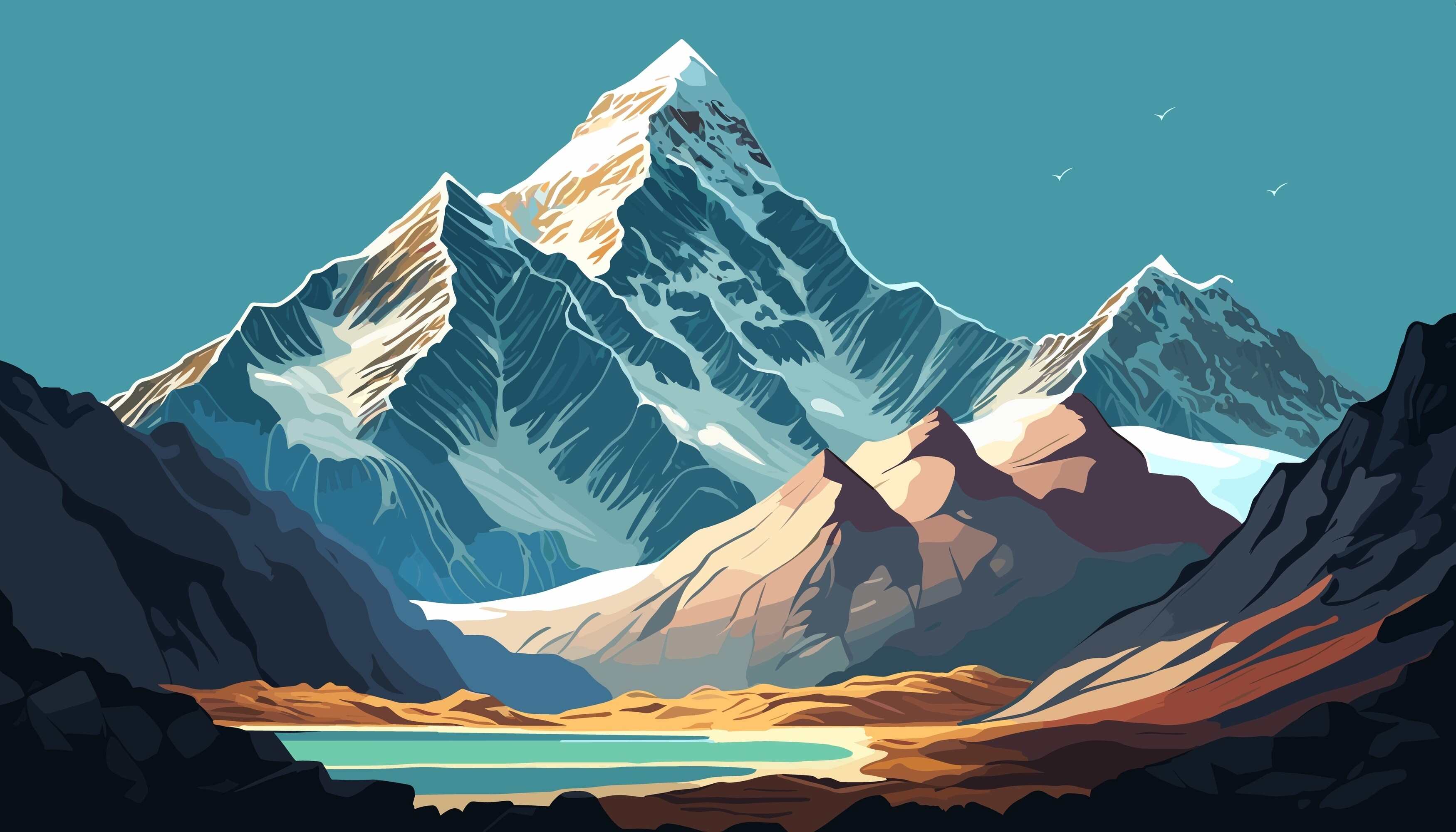
Earth’s tallest mountain is Mount Everest. It sits at 8.85km above sea level and is still growing. Mount Everest and the rest of the Himalayas have grown taller since they formed about 50 million years ago.
Scientists think it is because of how two nearby rivers combined. The Kosi River merged with the Arun River about 89,000 years ago.
Researchers estimated that Everest grew about 15 to 50 metres in height due to this change in the river system. That is about 0.2 to 0.5mm per year.
Scientists say a process called isostatic rebound is causing the land on Earth’s crust to rise. This happens when the weight of the surface on the crust reduces (see graphic). The crust is Earth’s outermost layer. It floats on the mantle layer, which is made of hot, semi-liquid rock.
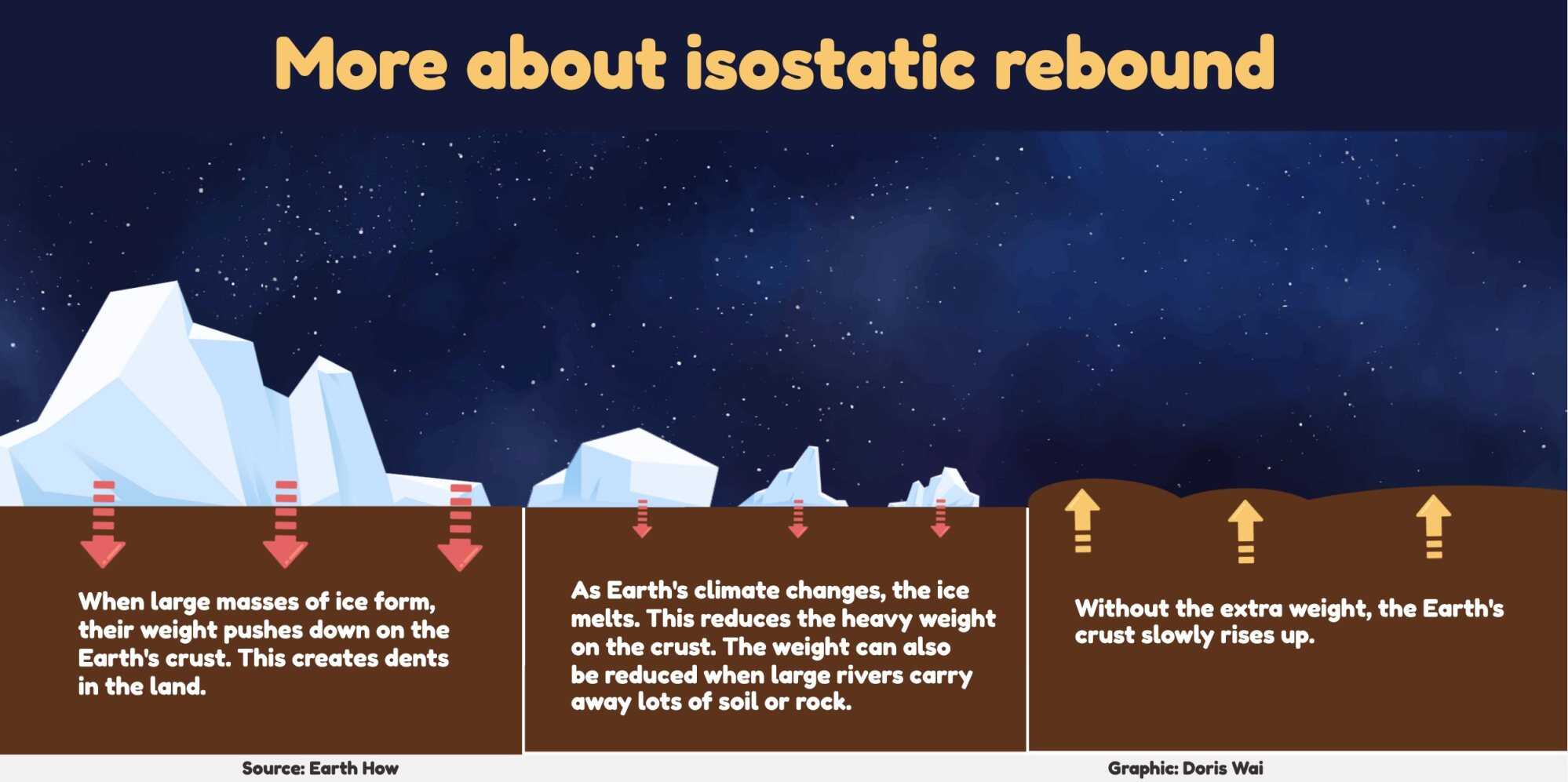
In this case, the merger of the rivers carried off huge amounts of rock and soil. This reduced the weight of the area near Everest.
“When a heavy load, such as ice or eroded rock, is removed from the Earth’s crust, the land beneath slowly rises in response, much like a boat rising in water when cargo is unloaded,” said geoscientist Dai Jingen of China University of Geosciences in Beijing.
Dai is a leader of the study published in September in the journal Nature Geoscience.
Sample answers
Read and answer: Scientists think it is because of how two nearby rivers combined.
Think about it: Reducing the weight on the surface makes the crust rise up.
