Difficulty: Challenger (Level 2)
A small and common organism is disappearing.
A new study, published in September, focused on the blue-green cyanobacterium Prochlorococcus. The researchers found that this type of bacteria is more sensitive to high temperatures than originally thought.
The findings were published in the scientific journal Nature Microbiology.
Cyanobacteria use sunlight to turn carbon dioxide into oxygen.
The tiny bacteria live in the uppermost layers of the ocean. The study found that it is disappearing from tropical oceans. Up to half of the population could disappear in under 100 years.
François Ribalet is a researcher involved in the study. He is from the University of Washington in Seattle, a city in the United States. According to Ribalet, the major reason the bacteria are disappearing is global warming.
Ribalet said that Prochlorococcus is very important for the environment because it produces a lot of the oxygen we breathe.
The bacteria group produces about 20 per cent of the new oxygen in our atmosphere.
The researchers used a computer model to study the world’s oceans. They found that the amount of this bacteria could drop by up to 51 per cent in warm tropical waters.
The researchers warned that rising ocean temperatures would harm marine ecosystems that depend on Prochlorococcus.
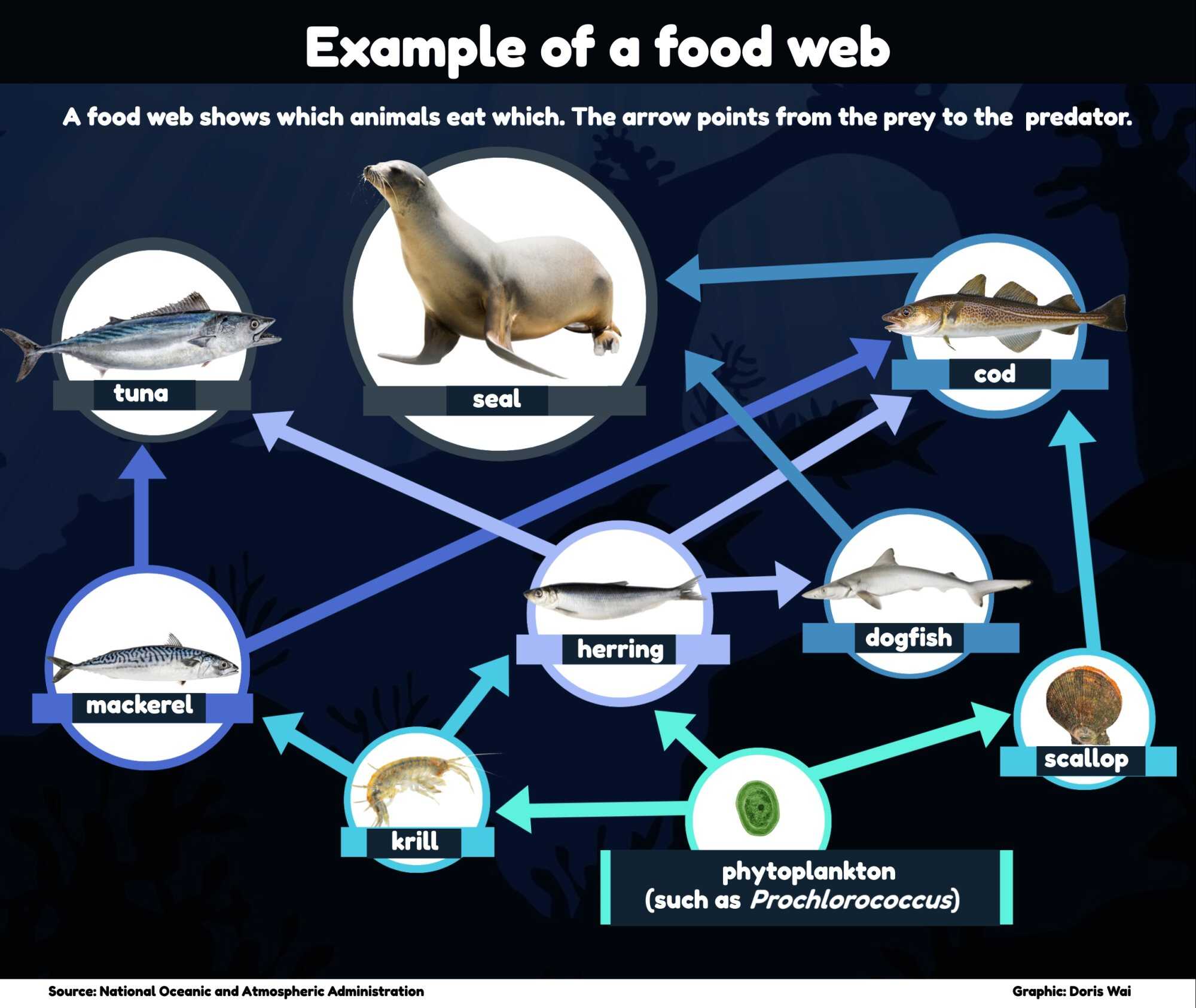
The decline could change relationships in food webs (see graphic).