Difficulty: Challenger (Level 2)
Nelson Yang is a businessman from Taiwan. He is finding a new way to use banana plants to make eco-friendly fabric. He hopes that one day, sneaker brands around the world will use this fabric.
Taiwan is famous for making computer chips, but bananas were once very important there. They still grow a lot of bananas.
Sustainable material innovation
“Back in 2008, European [sneaker] brands told us that they were hoping to find a way for food and materials to be produced ... from the same land,” Yang said.
“What we’re doing now is making sure that all our materials come from food or from agricultural or food industry leftovers. We then transform those leftovers into usable materials.”
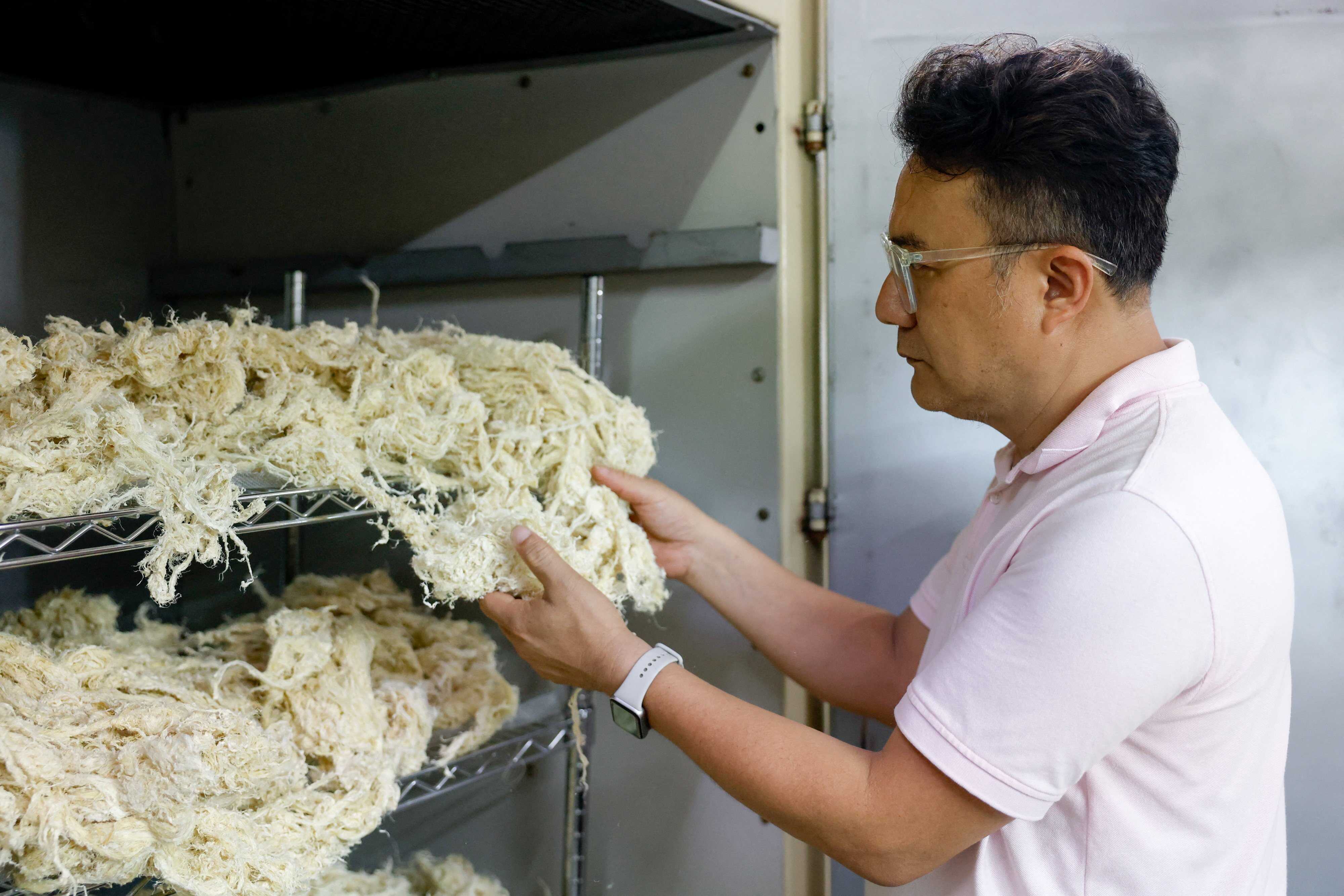
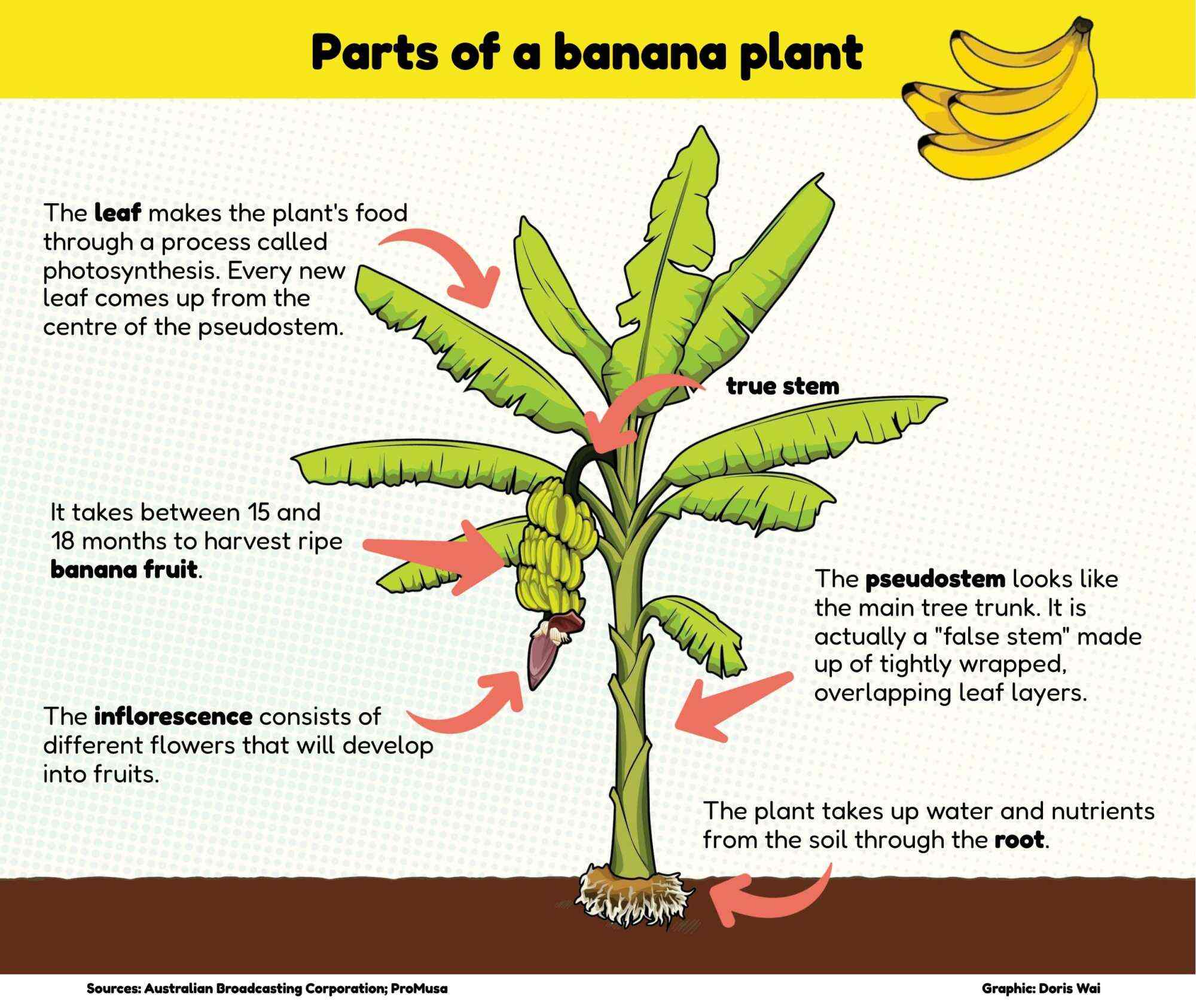
Yang’s company uses the middle part of the banana plant, the pseudostem (see graphic). This is usually thrown away after bananas are picked. The company crushes the pseudostem and dries it to make fibres for clothes.
Banana fibre revolution
Some of the fibres are made into yarn that can be mixed with cotton to make socks. They can also be used to create vegan leather. The business is still new and has not received any orders from clothing companies yet.
“Banana fibre actually performs better than regular cotton ... making it highly promising,” said Charlotte Chiang of the Taiwan Textile Federation.
Chiang noted that banana fibre required less water to produce and would be easier to grow, compared to normal cotton. She said banana fibre could be a major new focus for Taiwan’s clothing companies.