Difficulty: Challenger (Level 2)
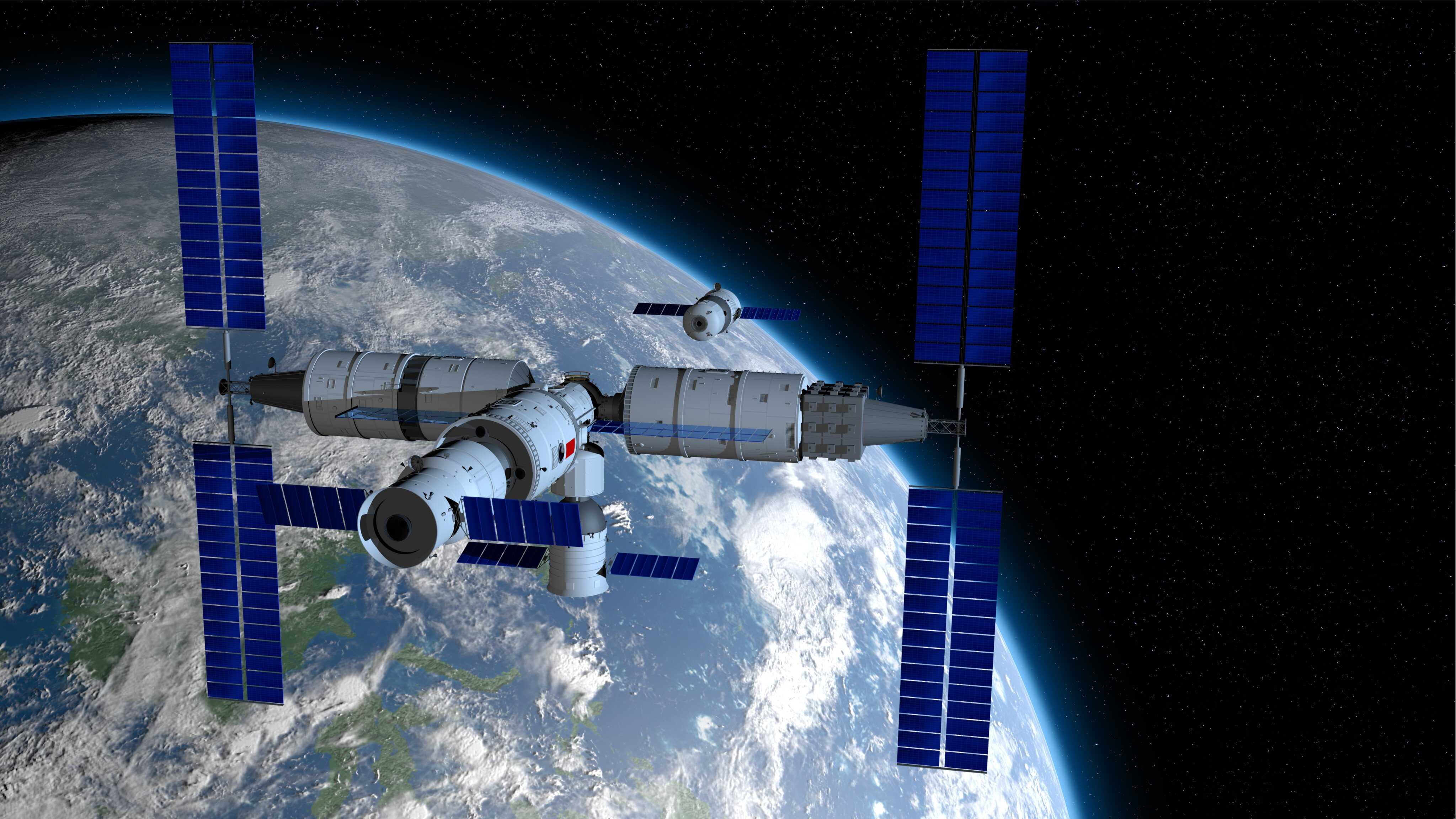
China’s Tiangong space station orbits our planet. It is not only a home for astronauts, but it is also a place for science experiments in space.
For example, research in the life sciences helps us learn how living things survive in space. This knowledge can help us better understand life on Earth.
Planarians: regrowing in space
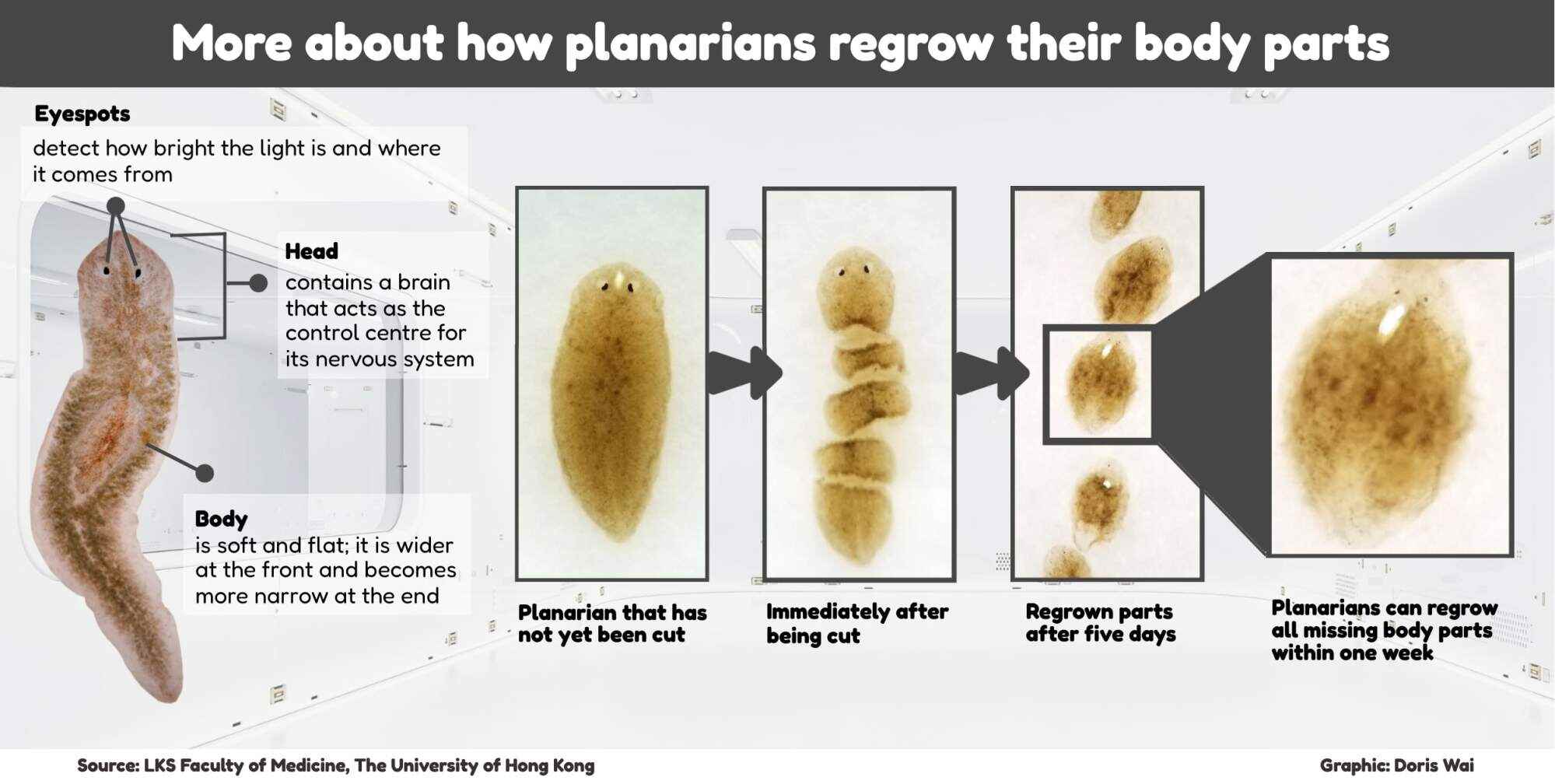
Planarians are flatworms that can regrow new body parts from cut sections (see graphic). The Shenzhou-20 crew brought them to Tiangong.
Scientists cut the planarians into pieces before sending them to the space station. They wanted to understand how planarians regrow body parts in space compared to how they do so on Earth.
Their research could help scientists learn how to heal humans on Earth and in space.
How students get involved
By joining competitions or programmes, students can propose ideas for real space missions.
For example, in 2016, the Shenzhou-11 spacecraft brought six silkworms to the Tiangong-2 space laboratory. This lab tested technology for Tiangong.
The idea to study silkworms in space came from four secondary school students in Hong Kong. The experiment investigated how they grew and spun cocoons in weightlessness.
In April, hundreds of primary and secondary school students in Hong Kong and Macau received seeds returned from Tiangong. They grew the plants and compared them to ordinary seeds to study their development.
To learn more about Tiangong, visit the Hong Kong Space Museum’s special exhibition “A Voyage to Space: China’s Manned Space Expedition”. You will see a model of the space station and learn about some experiments conducted on it. The exhibition runs until April 27, 2026 and is free for all.