Difficulty: Challenger (Level 2)
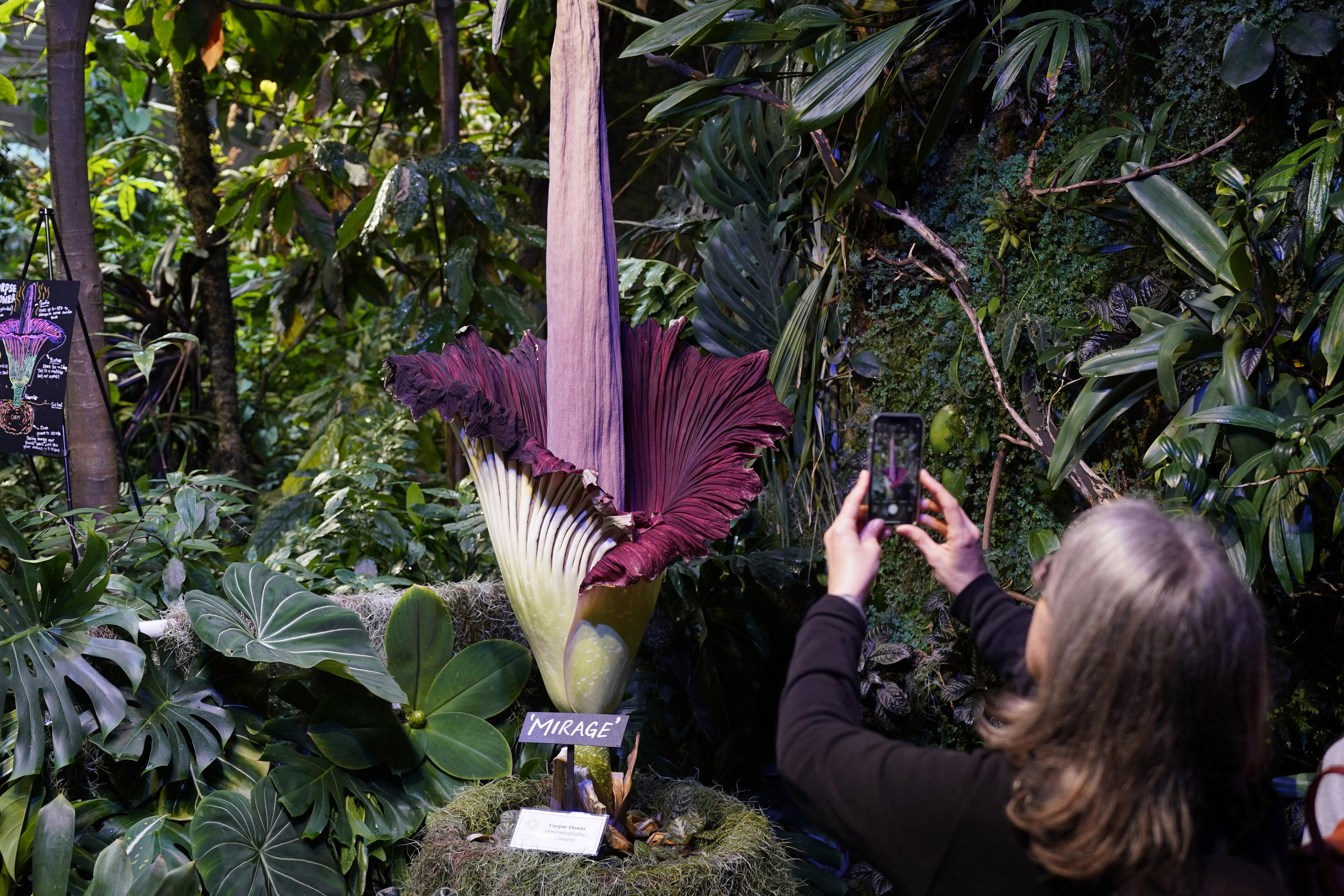
Some flowers, like lavender and roses, smell pleasant. But others, like the corpse flower, are very stinky.
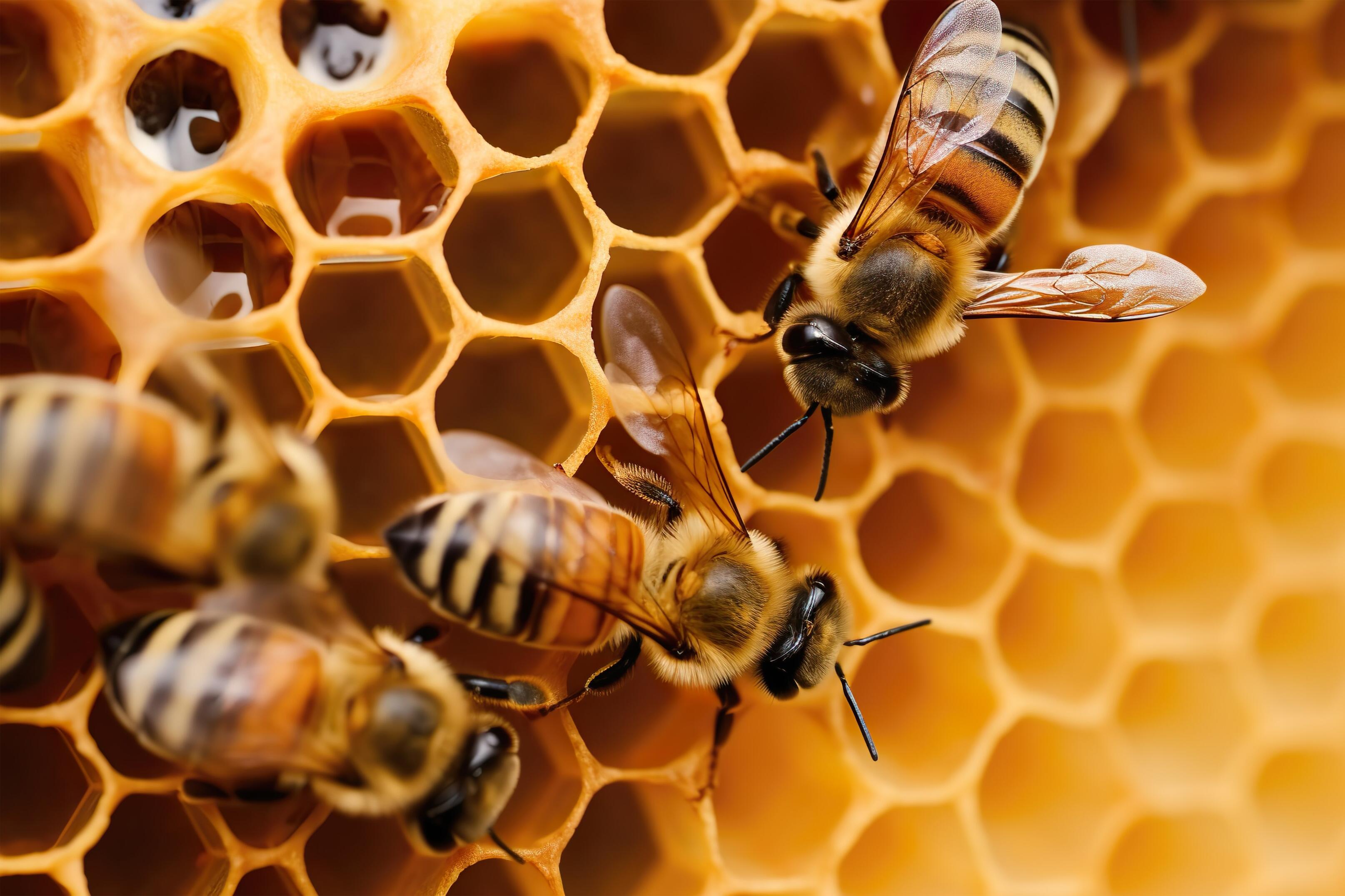
Floral scents have a purpose. They can keep hungry animals away, but their most important role is attracting pollinators, such as bees and birds. These animals help spread the flower’s seeds so that the species can continue to grow.
What gives flowers their scent?
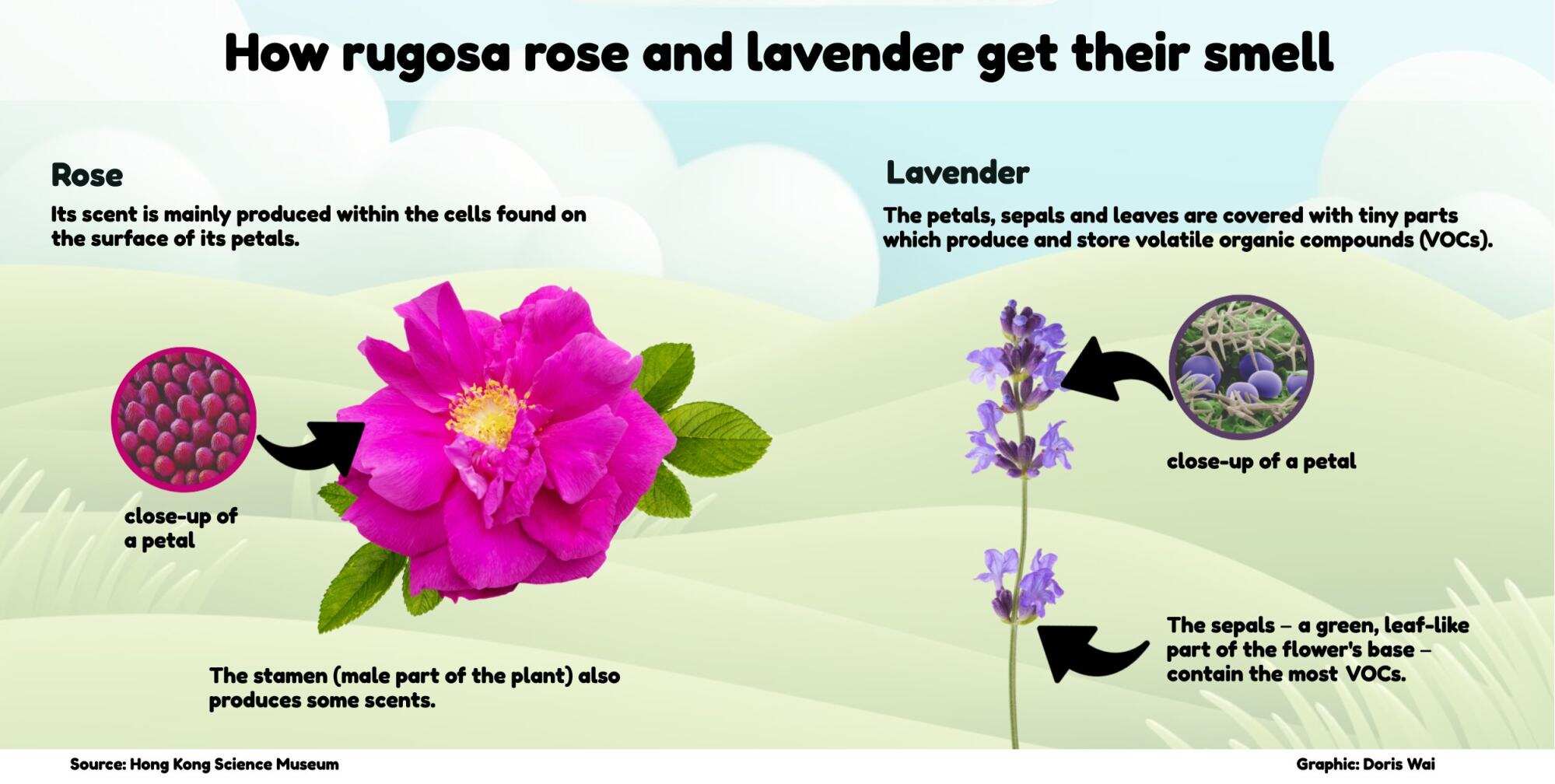
A flower’s smell comes from volatile organic compounds (VOCs). These tiny molecules travel through the air and evaporate easily.
Each flower species makes a unique blend of VOCs that creates its signature scent.
While petals are the main source of VOCs, other floral parts – such as stamens, pistils and sepals – also contribute (see graphic).
Unlike other flowers that produce scents from their petals and leaves, the corpse flower’s stink comes from its central spike, or appendix. When this plant is in bloom, its appendix heats up to about 37 degrees Celsius.
The high temperature helps turn the corpse flower’s smelly chemicals into a vapour that spreads easily and attracts pollinators.
How scent is shaped
A flower’s scent changes as it gets older. It usually produces the strongest smell when it is most ready to attract pollinators. Once a flower stops reproducing, its scent often fades.
Flower scents have evolved to match what pollinators are looking for. Flowers pollinated by bees release sweet, honey-like scents. In contrast, flowers that rely on flies produce odours that smell like the rotting flesh where these insects like to lay their eggs.
Content provided by