Difficulty: Challenger (Level 2)
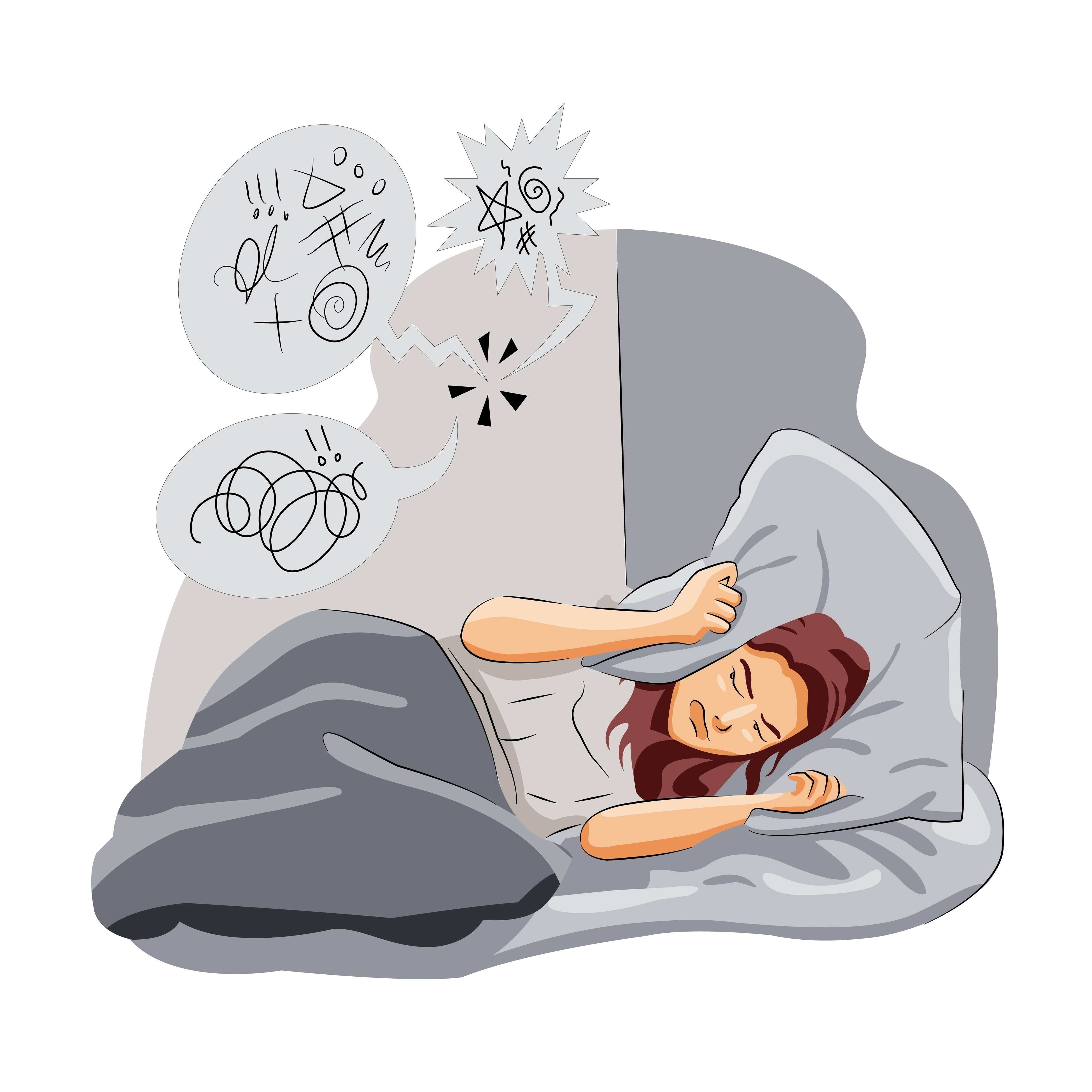
Loud traffic is more than bothersome noise. It is leading to health problems. New studies show that even a little road noise at night can seriously harm the heart.
This is because it affects your circulatory system. This system is powered by your heart and moves blood, nutrients and oxygen throughout the body.
A new study from Germany looked at 74 people aged 18 to 60. The results were published in the medical journal Cardiovascular Research last month.
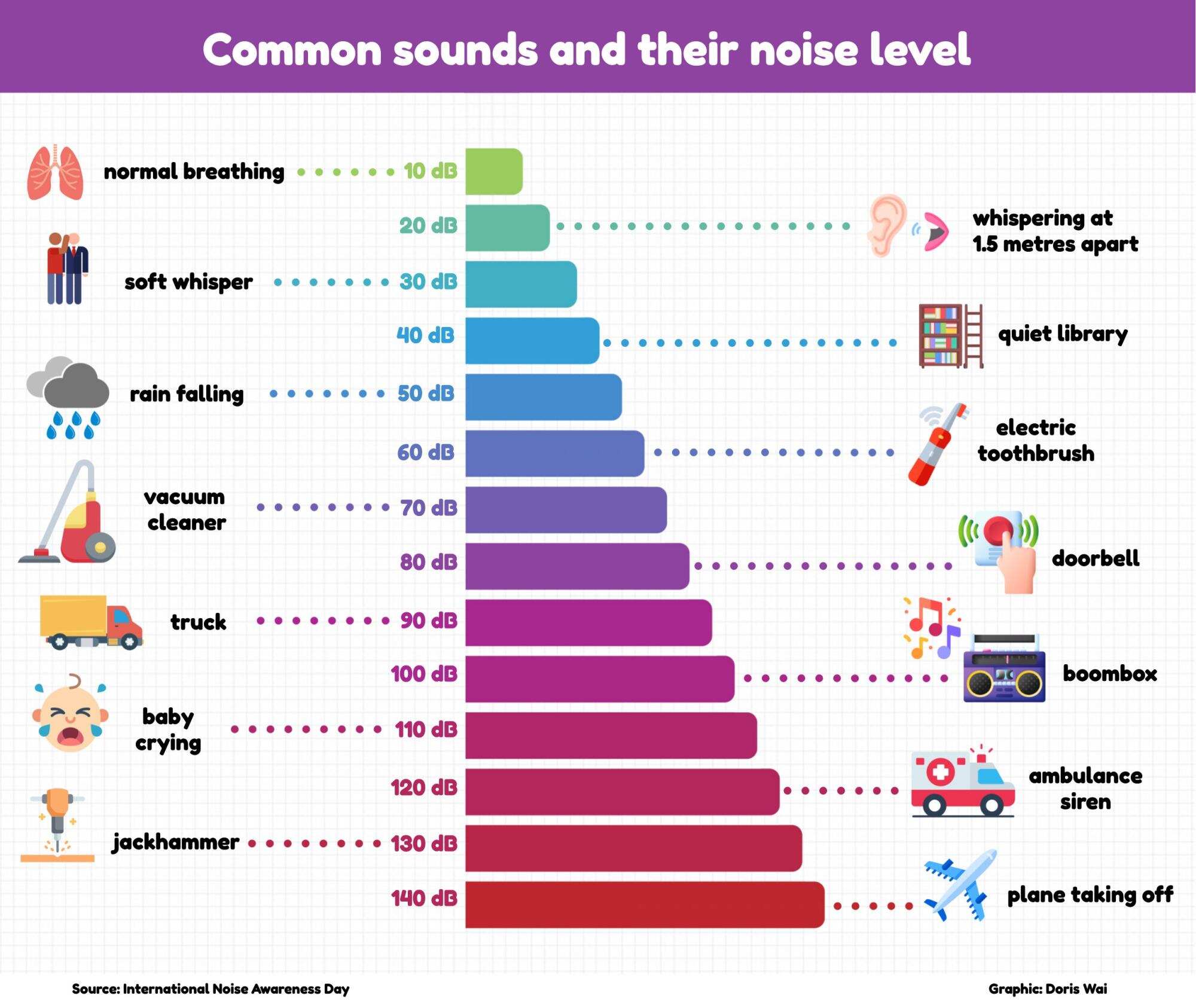
The study tested different conditions in bedrooms. Some nights, there was no added noise. Other nights, road traffic noise was played over speakers 30 or 60 times, each for 1 minute and 15 seconds. The sound level was 41 to 44 decibels (dB), equivalent to a quiet conversation (see graphic).
Researchers then measured the participants’ health the morning after the experiment.
They found that some volunteers were more sensitive to noise. They also found that even one night of traffic noise led to clear changes in people’s bodies and how they functioned. Some people had faster heartbeats and stiffer blood vessels.
This is worrying because stiffer blood vessels are a common early sign of heart problems.
In Germany, some 2.3 million people, around 2.7 per cent of the population, are exposed to noise levels above 65 decibels during the day. About 2.6 million people hear noise with levels above 55 decibels at night. That is roughly 3 per cent of the country’s population.
The study was led by Thomas Munzel. He is the chief of the cardiology department at the University Medical Centre Mainz in Germany.
Munzel said noise protection is important. One way to do this is to create road zones with lower speed limits. Another way is to add green spaces that can block out noise.
“Noise protection is vascular protection,” Munzel said. “Every decibel of reduction [can lead to] fewer heart attacks and strokes.”