Difficulty: Challenger (Level 2)
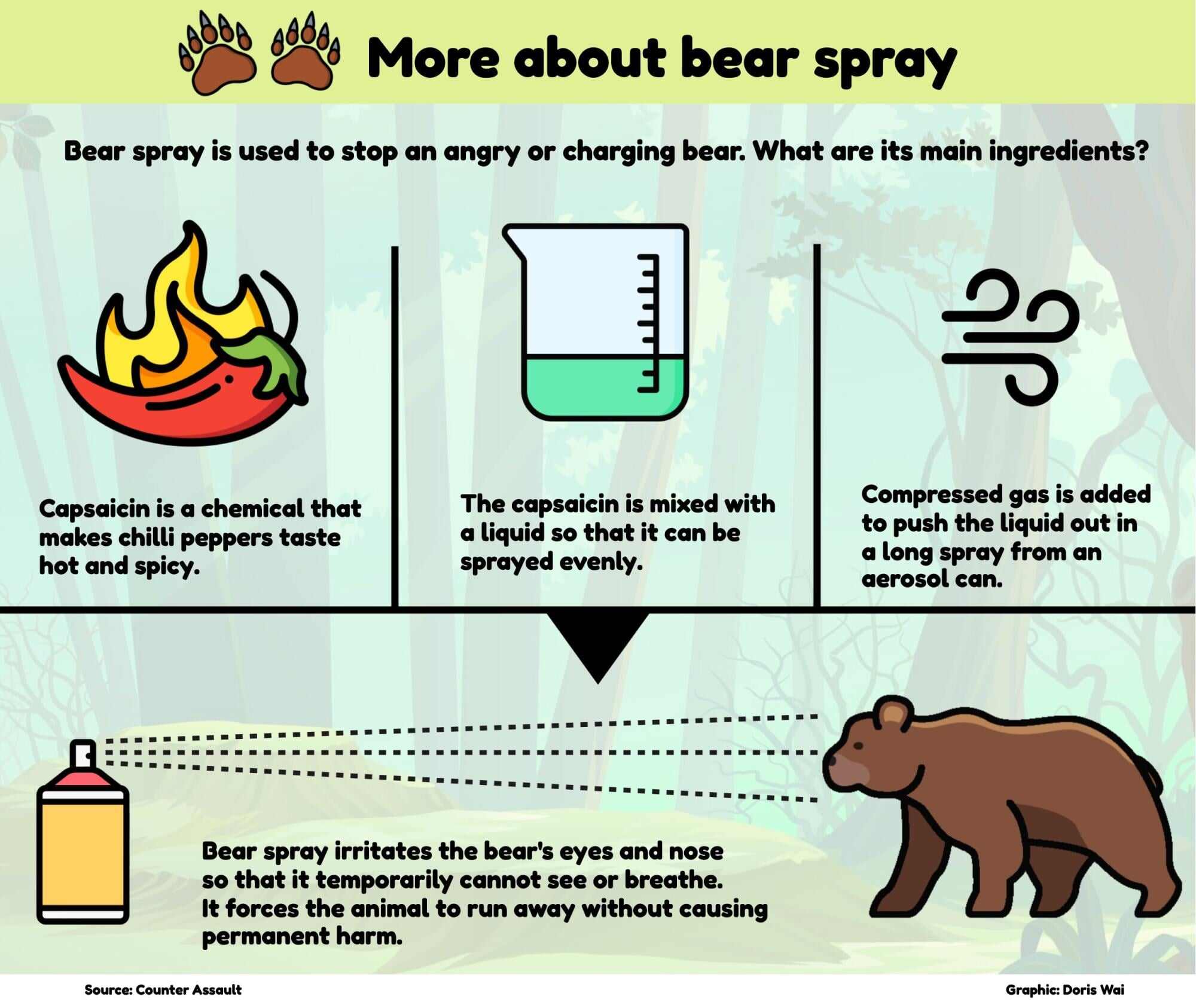
A suburb in Tokyo has announced an emergency plan to buy 700 anti-bear sprays (see graphic). They will be given to schools and community groups.
A record 13 people were killed by bears in Japan between April 2025 and March 2026. There were also five more deaths and 20 injuries between April 1 and May 30 this year, the country’s environment ministry said.
Hachioji is on the outskirts of Japan’s capital region. It is popular with Tokyo people, who visit its hiking trails on weekends.
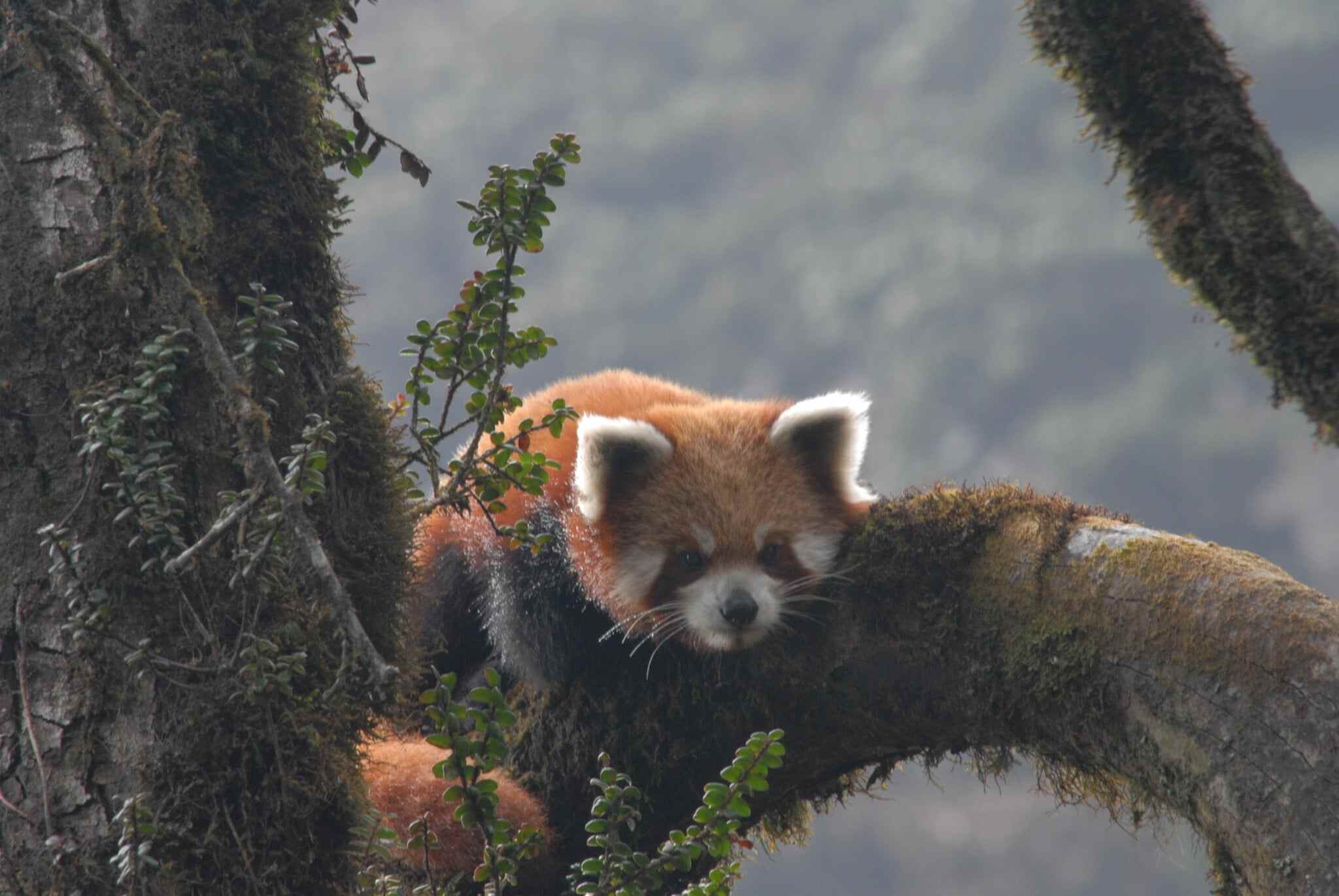
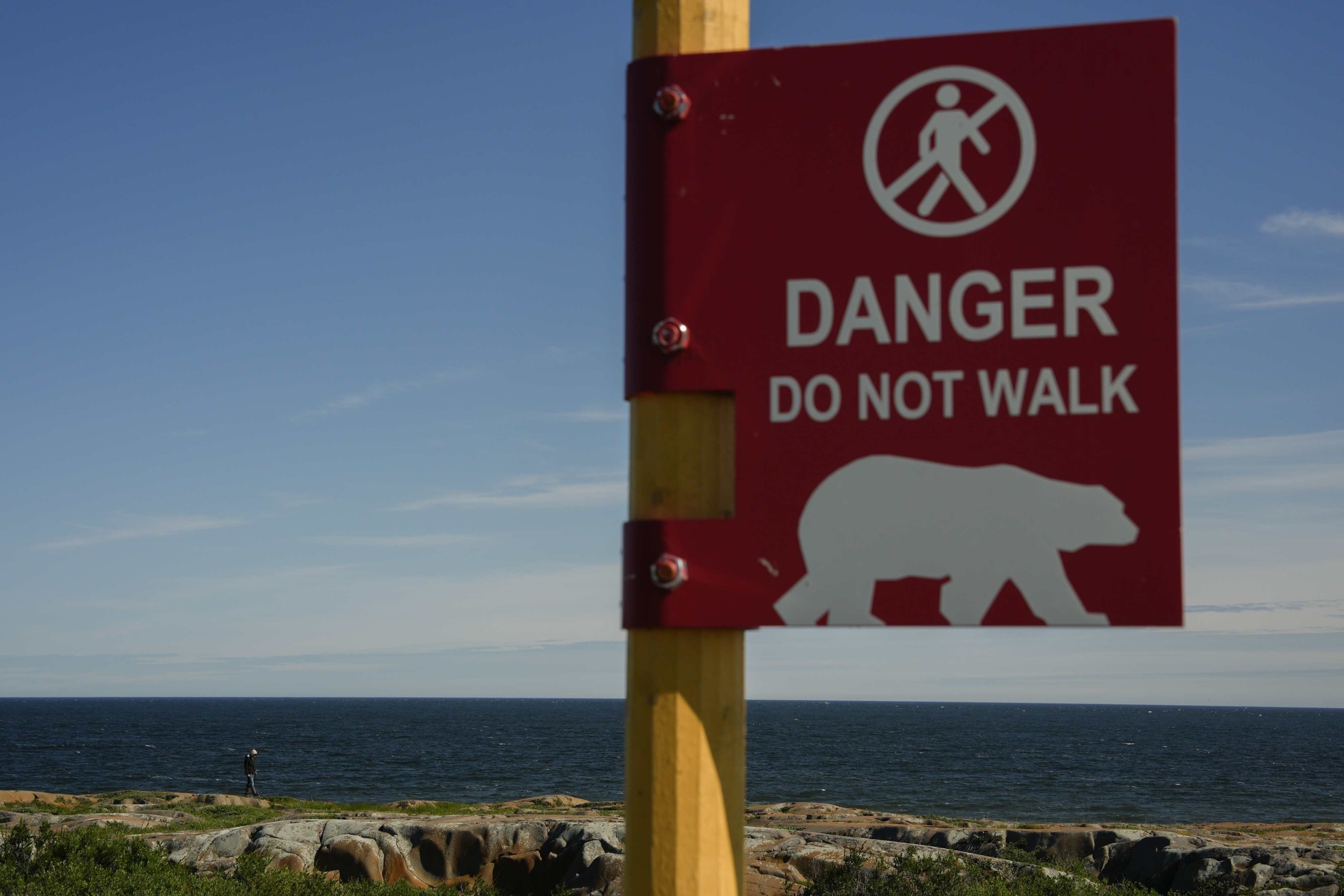
But the mountains are also popular with black bears. Between April and June, there were 11 reported sightings or signs of bears there.
On April 29, a motion-activated camera filmed a black bear near a residence in the area.
Ryosuke Sato is Hachioji’s local government spokesman.
He said the city would spend 15 million Japanese yen (HK$738,171) on anti-bear devices. These include sprays, movable electric fences and devices that make high-pitched sounds.
The city will also draft a plan with hunters in case bears appear in local areas.
Bears in Japan usually come out of hibernation around March or April. So, in recent months, there has been a jump in sightings of bears entering urban areas.
In June, all schools closed in Utsunomiya, a city less than an hour north of Tokyo. A bear was spotted roaming the city. It avoided dozens of police officers and hunters for four days before being captured.
Before that, another bear attacked four people at two factories in Fukushima. It was described as “extremely intelligent”. It had opened a window and turned on a tap.
Local governments will also try to clear bushes along riverbanks and in areas between neighbourhoods and mountains. They hope this will prevent bears from coming to urban areas.