
Difficulty: Explorer (Level 1)
Hong Kong is a city where different cultures meet.
One of the best things about Hong Kong is the yummy food. There are lots of tasty dishes from many different countries. You can find food from China, India, and even Ethiopia.
Hongkongers love to celebrate special holidays. There are celebrations for festivals like the Mid-Autumn Festival, Christmas, Diwali, Ramadan and Lunar New Year.
You can see beautiful decorations from the city’s many communities during these holidays. It’s a good chance to learn about other cultures.
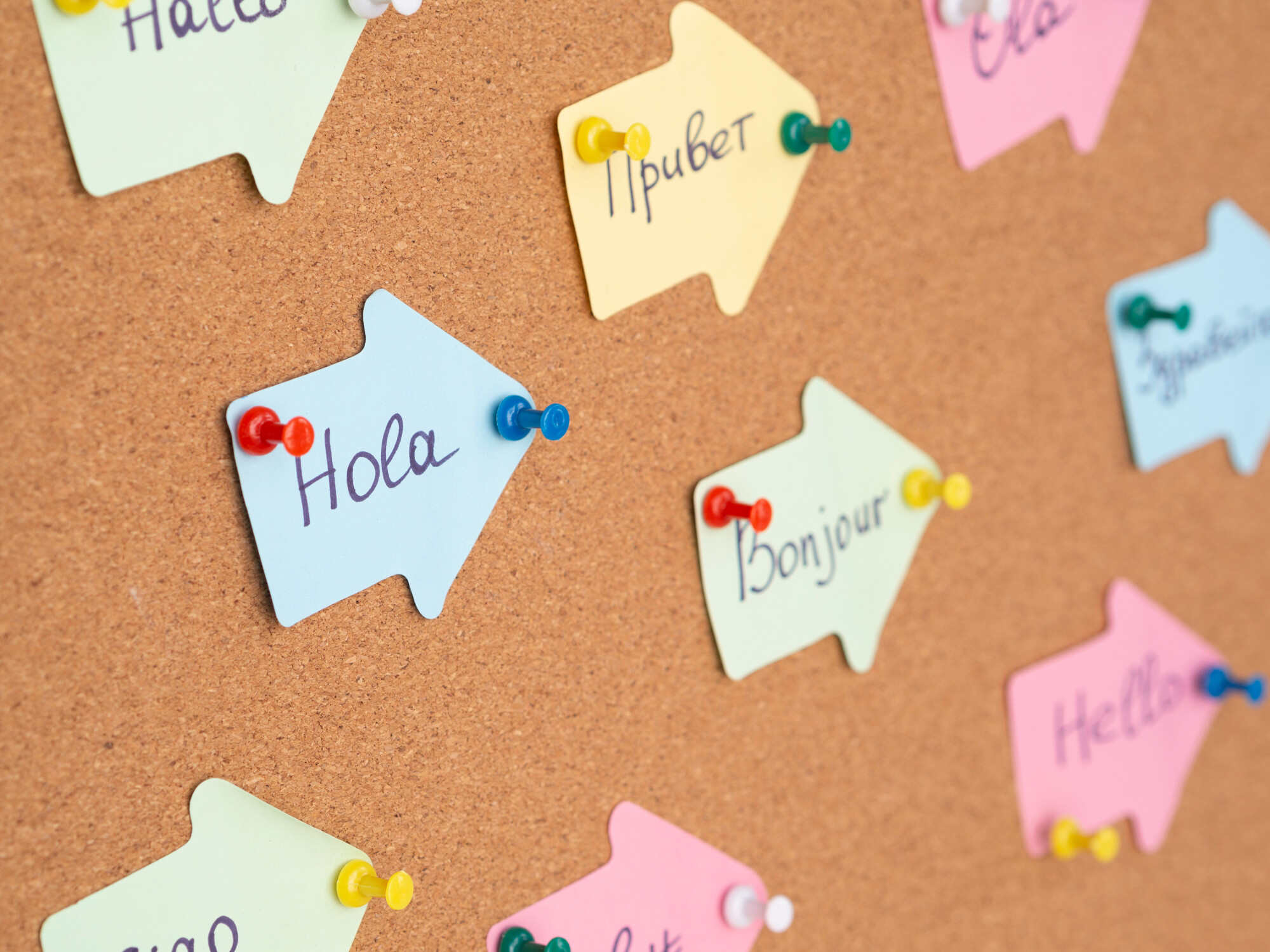
People speak many different languages in Hong Kong. Most speak Cantonese, but English and Mandarin are commonly heard on the city’s streets. You might also hear Chinese dialects like Hakka or Teochew.
We should welcome everyone in Hong Kong. It’s a place where people from different countries and cultures come together. We can learn from one another and celebrate our differences.
Cultural food adventure

Materials
paper and pen
Instructions
-
Choose one cuisine that you don’t normally eat but that can be found in Hong Kong. For example, you can try food from Indonesia, Mexico or Nepal.
-
Go to a restaurant that sells that cuisine and try a few dishes.
-
Take notes on your favourite dishes, including what you liked about them and the interesting ingredients you discovered.
-
Create a poster with your favourite dish and what you liked about it. Share your poster with your friends and family.
Language learning fun
Materials
-
8 flashcards
-
pen
-
laptop or tablet
Instructions
-
Choose one language used in Hong Kong that you’d like to learn more about. For example, Tagalog is spoken by many Filipino people. Meanwhile, Hindi is spoken by many Indian people, and the city’s deaf community often uses Hong Kong Sign Language.
-
On one side of each flashcard, write a word or phrase from your chosen language. On the other side, write what it means in English. If you’re learning sign language, you can draw the motions that go along with it.
-
Practise using the words or phrases. Try talking to people who speak it, watching films or listening to music in the language.