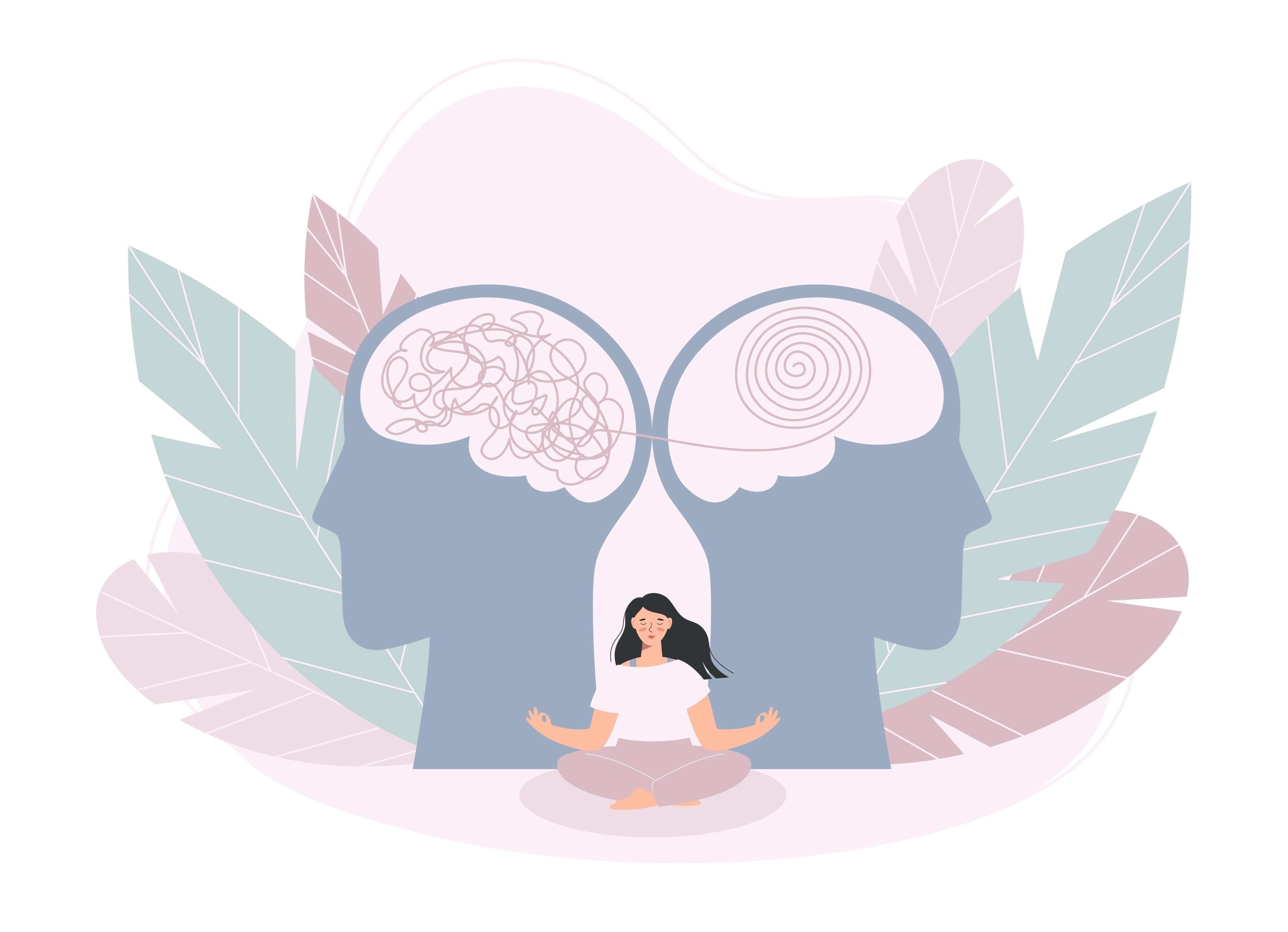
We all have emotions, but some of them – such as sadness, anger or embarrassment – can be hard to handle. What can you do when your feelings are overwhelming you?
One option is mindfulness. This practice is about paying attention to what is happening around you and noticing what your body is telling you. When you feel stressed, take deep breaths and focus on your five senses, including what you hear, see and smell. Afterwards, it should help you reflect on the situation more calmly.
When you feel upset or disappointed, try to think about the good things in your life and express why you are thankful. For example, if you are sad because you did not do well on a test, reflect on what you enjoyed learning and how you can do better next time. When we focus on the positive things, it can motivate us to keep working towards our goals.

Create a mood chart
Materials:
-
a large sheet of paper
-
pencil
-
coloured pencils
-
ruler
Instructions:
-
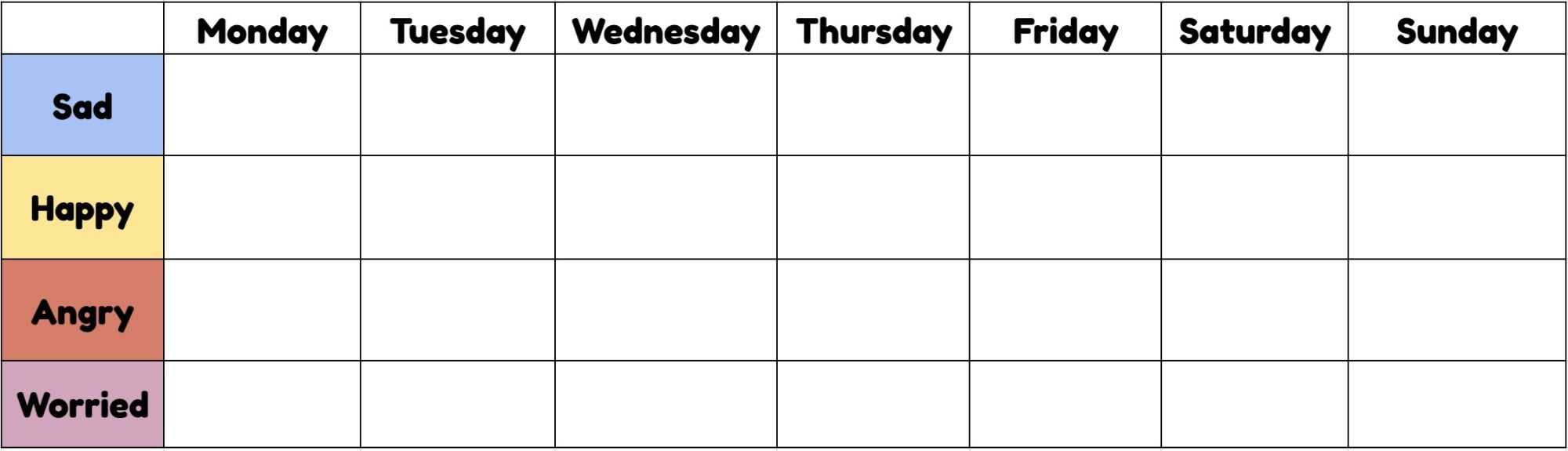
On a sheet of paper, use a ruler to draw a chart. It should have seven columns for every day of the week. Label each column. Draw four rows, and label each one with different moods such as happy, sad, angry and worried.
-
Decorate the chart. Choose a colour for each mood, and colour in each mood’s box with its own colour.
-
Put the chart on your bedroom door or desk.
-
Every day before bed, colour in the boxes for emotions you experienced that day, and write down what made you feel that way.
-
At the end of the week, see if you feel the same way on certain days or if there are any other patterns. Does talking to a friend help you feel happier? Do you feel worried when you don’t study enough before an exam? Is there anything you want to do differently in the next week?
Gratitude journal
Materials:
-
notebook
-
pencil
Instructions:
-
Set aside a notebook that will be your gratitude journal.
-
At the start of each day, write down three things you are thankful for: something you are grateful for from the day before, what you are looking forward to that day, and a quality about yourself or another person that you appreciate.
-
After a week, look back at your entries, and reflect on how this activity made you feel.
-
Show your gratitude to people who made you feel happy by telling them in person or writing them a card.