
Difficulty: Explorer (Level 1)
Families look different depending on where you live. For example, in some places, like Hong Kong, India or South Korea, it is common for children to live with their parents until they get married.
This is different from places like the United States and much of Europe. In these cultures, children often leave their parents’ homes when they turn 18 and finish secondary school.
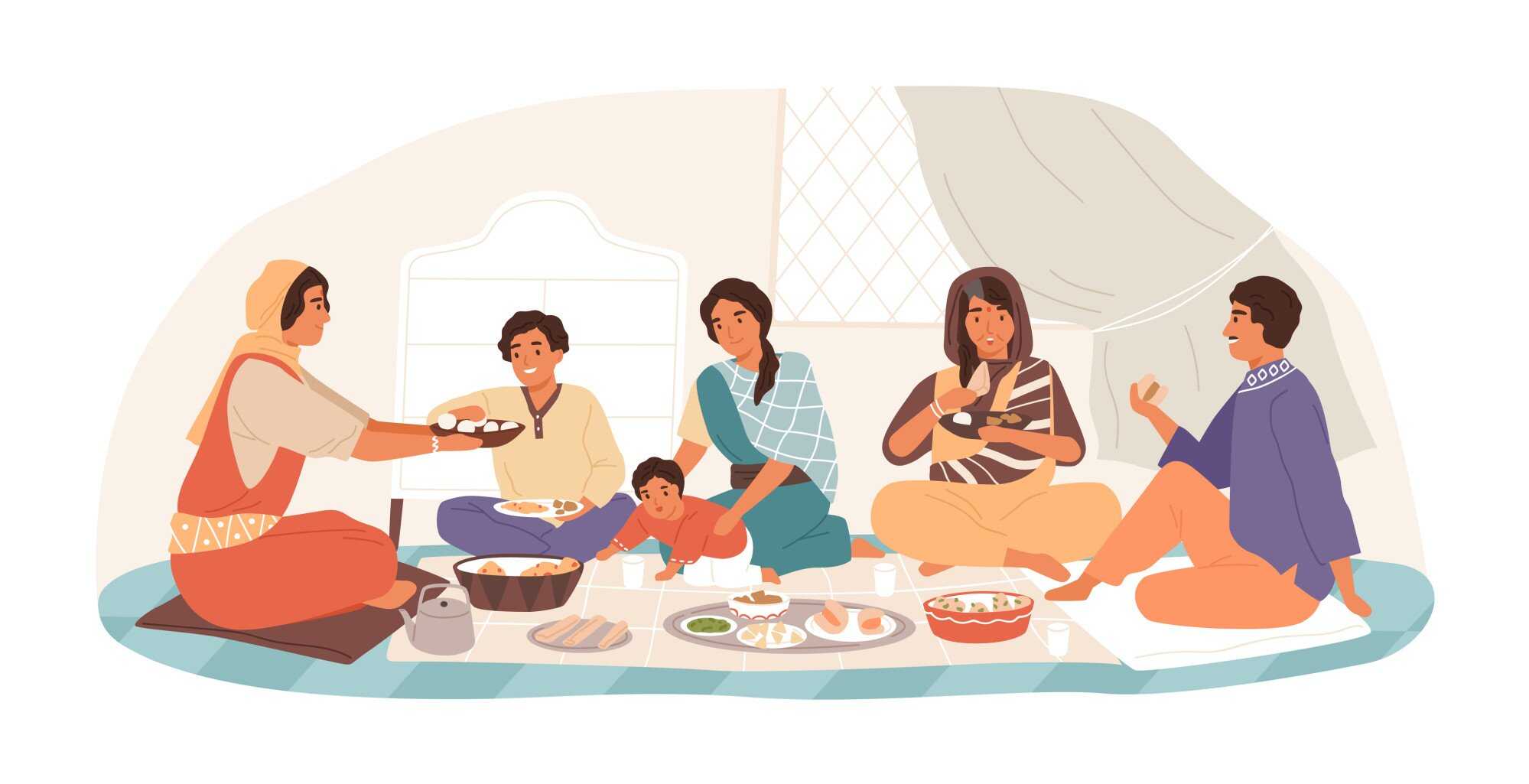
Another difference includes living with grandparents. In some countries, such as the Philippines, having three or even four generations living together is normal. This is less common in places like northern and central Europe.
The size of a family might vary greatly as well. For example, in Niger, a country in West Africa, families might have six or seven children. On the other hand, women in Japan may have only one child or none at all.
Families look different everywhere, but they are all special. There is no right or wrong way to have a family. It doesn’t matter if you have one parent or two or whether you were raised by a grandparent or aunt. What really matters is the love that people have for one another.
Make a family tree from your hand and footprints
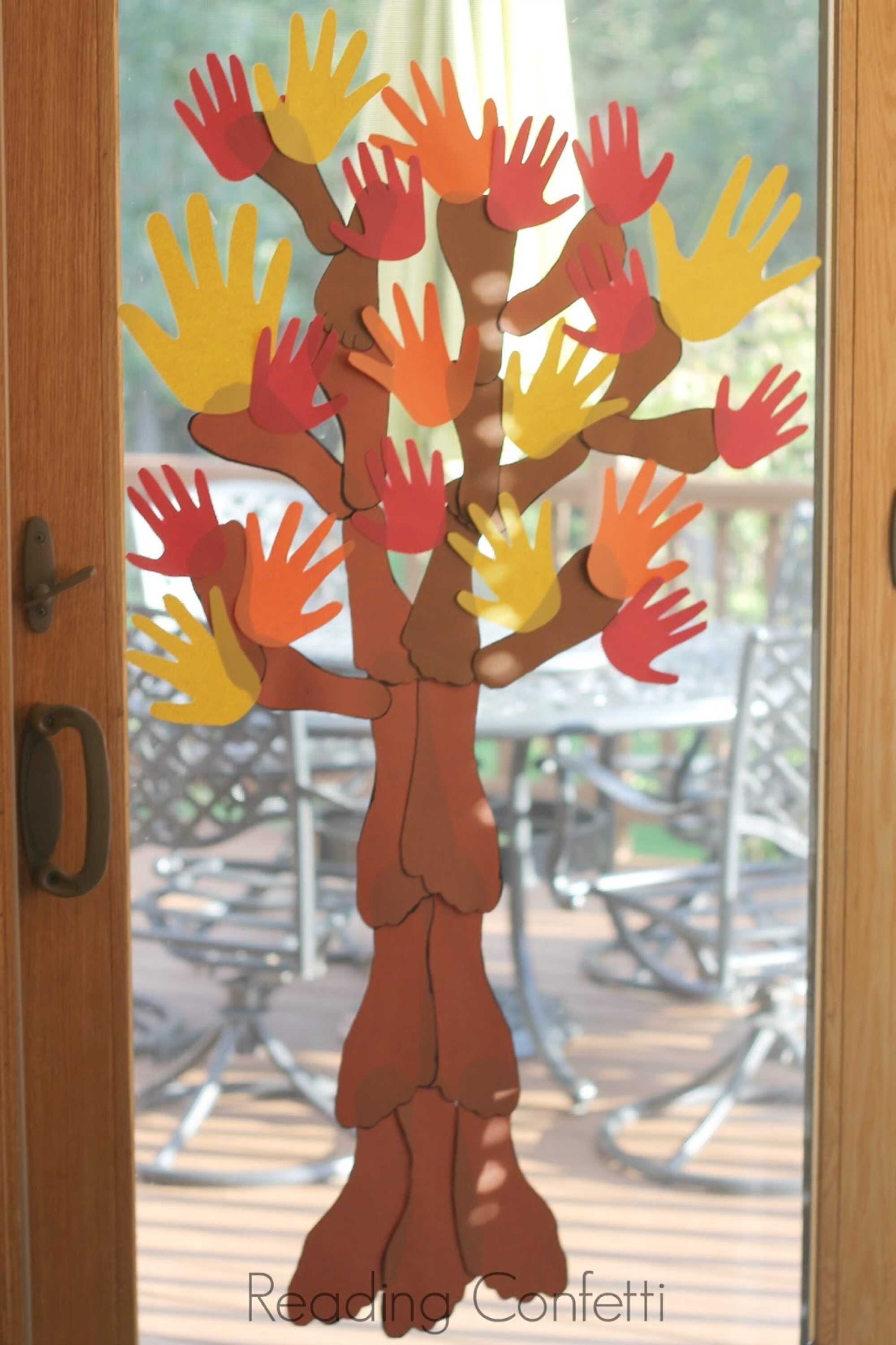
A family tree is a way to map out your family members and see how many people you are related to. You can do your immediate family, which includes your parent and siblings, or you can extend the tree to include grandparents, aunts, uncles and cousins!
Materials
-
lots of brown, red, orange and yellow construction paper
-
pen
-
glue
-
safety scissors
-
optional: photos of your family members, crayons, markers or coloured pencils
Instructions
1. The trunk and limbs of the tree will be made of pieces of brown construction paper in the shape of your foot. Trace your foot on the paper. To make a decent-sized tree, you might need to trace your foot 20 times – but this depends on how big you want your tree to be.
2. Cut out the foot-shaped pieces and arrange them in the shape of the tree trunk and branches; the base should be a bit bigger than the rest of the trunk, which will get narrower. Make sure the pieces overlap slightly, then glue them together
3. Make the leaves using red, yellow and orange construction paper. Count out how many family members you have, including yourself. That is the number of leaves you will need. Trace your hand on the construction paper and cut out the handprints.
4. Write the names of your family members on the handprints. Use one handprint per person. You could also glue a photo of the person on their handprint, decorate it, or write a fun memory you have of them.
5. Glue the hands to the tree branches, placing them where leaves would go on the tree. Let it dry, then show it off to your family!
Interview a family member

Materials
-
pen or pencil
-
paper
Instructions
1. Ask to speak to an older family member – this could be a parent, grandparent, aunt or uncle. Tell them you want to get to know them better by learning about their past.
2. Sit down with the family member and ask them some of the following questions, or any other ones that pop into your head. Feel free to write down their answers; they might appreciate knowing you’re so interested in their life!
-
What was life like for you growing up? Where did you grow up, and how does that place look different now?
-
What are your favourite memories from childhood?
-
How do you think you have changed since you were young?
-
What do you wish you knew when you were my age?
-
What is your favourite new invention?