Do you have something to share? Send us your poetry, stories, school events and other reports using this form.
Lily spoke in definitions. Words lined up in her mind like soldiers.
She could tell you that the fear of ducks is called anatidaephobia or that defenestration was historically popular in the city of Prague to refer to the act of throwing someone out a window.
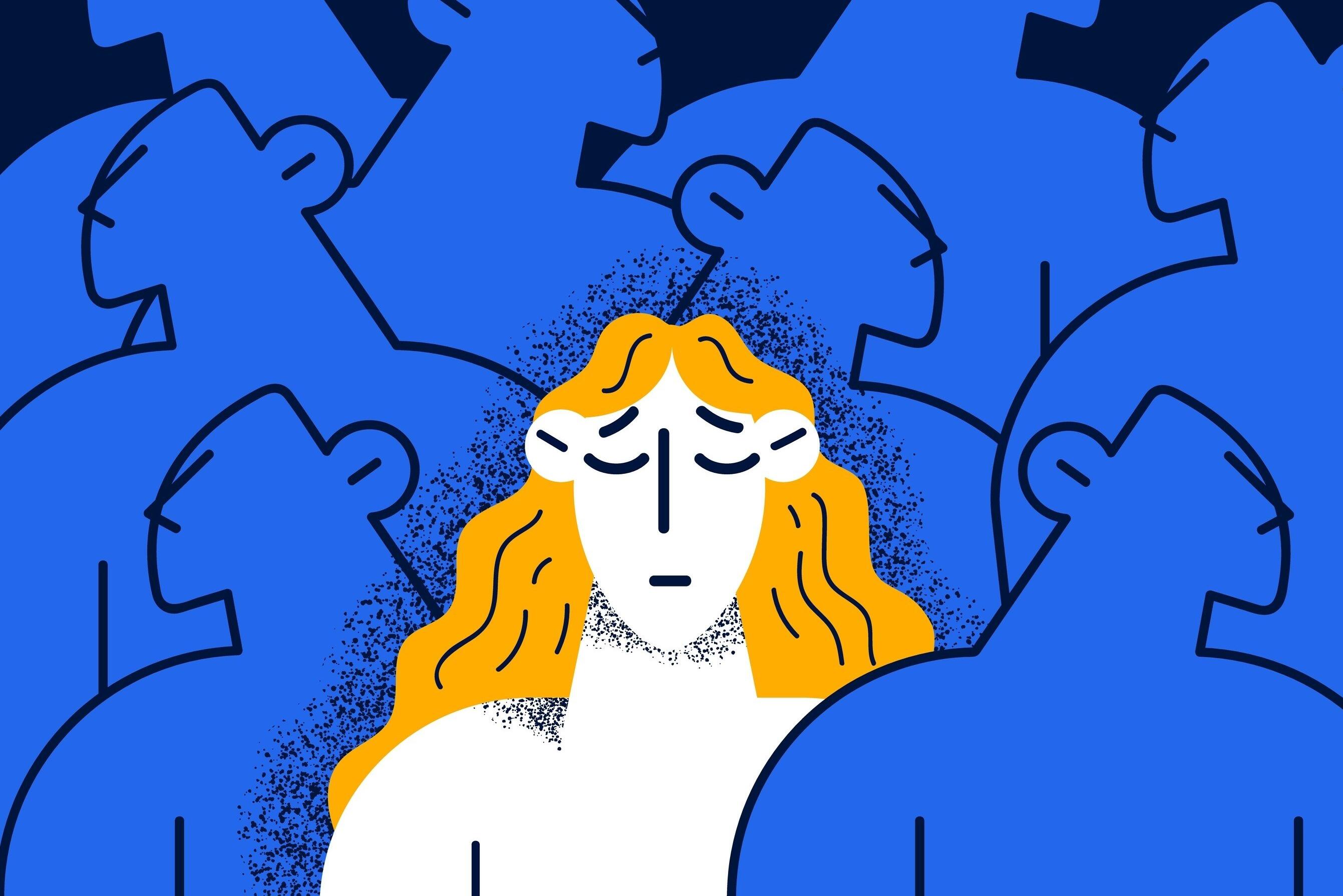
But her classmates didn’t care about ducks or Prague. They called her a robot when she didn’t laugh at their jokes the right way and mocked her when she recited facts about her favourite topics. The worst were the adults who called it “kids being kids”.
Then came the Incident. It happened in the locker room after gym class when a group of girls took Lily’s notebook from her bag.
“Look at this freak’s drawings,” one sneered.
Lily’s stomach dropped. Those sketches were the stormy seas of her anxiety and the quiet galaxies she retreated into when the world became unbearable.
Another smirked: “What even is this? Some emo junk?”
Then, the sound of ripping paper. Lily didn’t scream. She didn’t cry. She stood still as her soul was torn apart.
When her mum picked her up, Lily didn’t speak.
For a week, she didn’t return to school.
Tired, her mother said, “Please try to fit in.”
As if she were the problem.
The school’s solution? A tolerance assembly. As if speeches could undo years of broken pencils, stolen lunches and whispers behind her back.
But then, Ms Rivera came. The new art teacher did not force Lily to speak – just slid her a piece of paper and said, “Show me.”
And Lily did. She wrote about the storms in her head and the cages other people put her in. She drew the bullies as faceless shadows and herself as something stronger – not broken, just different.
Ms Rivera told her: “This is powerful.”
Slowly, Lily began to rebuild. She joined the creative club, where everyone wrote poems and made art. Kind kids – other “weirdos” – joined her at lunch. She still lost the power of speech sometimes. But now, she had a voice.
At the school’s end-of-year exhibition, Lily pinned up her pieces: a painting titled The Ghost They Made Me and her writing, I Am Not Invisible.
“Why must we fit the norm? Inequality isn’t just about what we look like. It’s about how we treat different minds.”
The girls who had torn her notebook shuffled up to her.
“We … didn’t get it before,” they muttered.
Lily held up a sketch of a girl with wings made of shattered glass, with the words: “Broken but fighting”.
“Now you do,” she said.