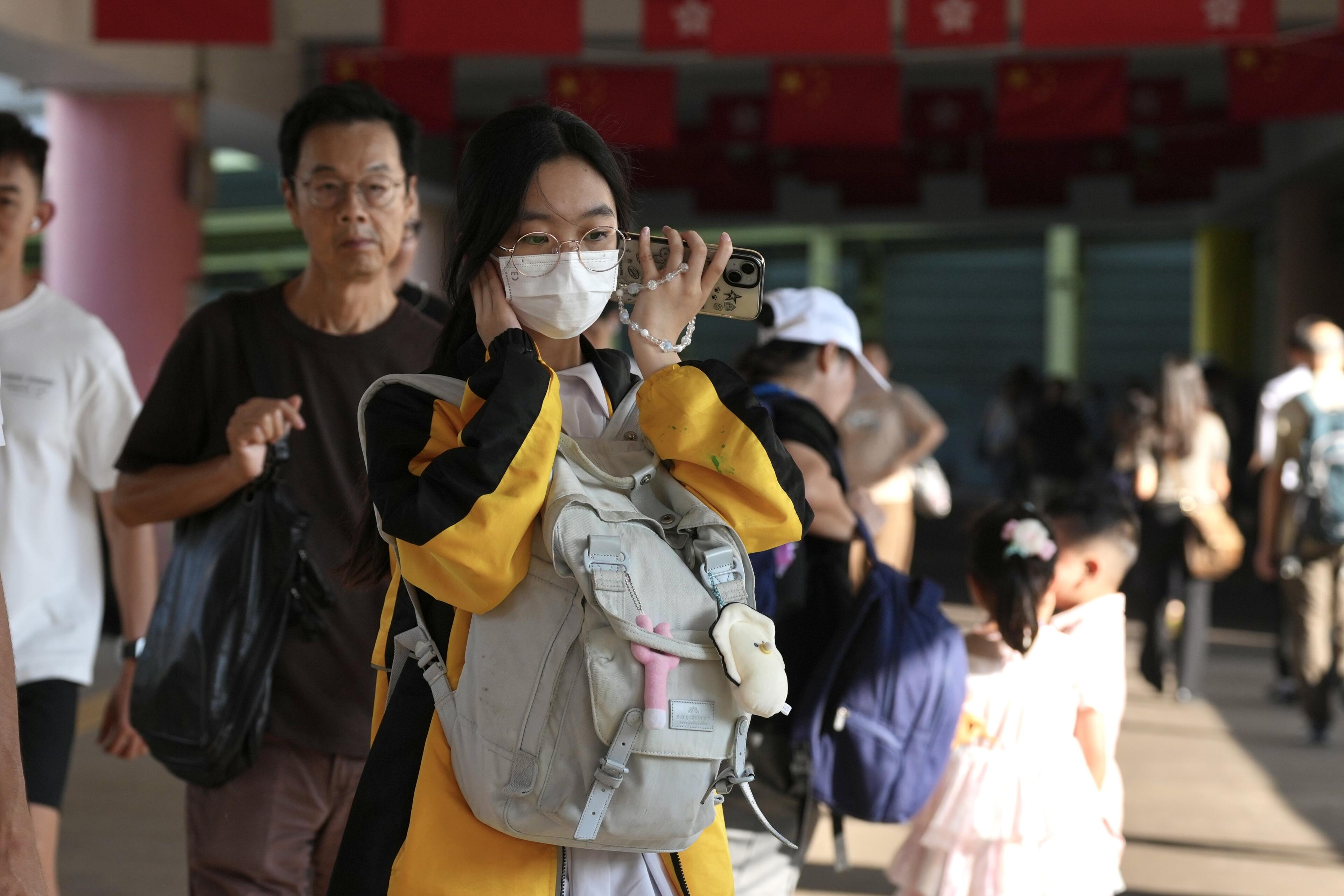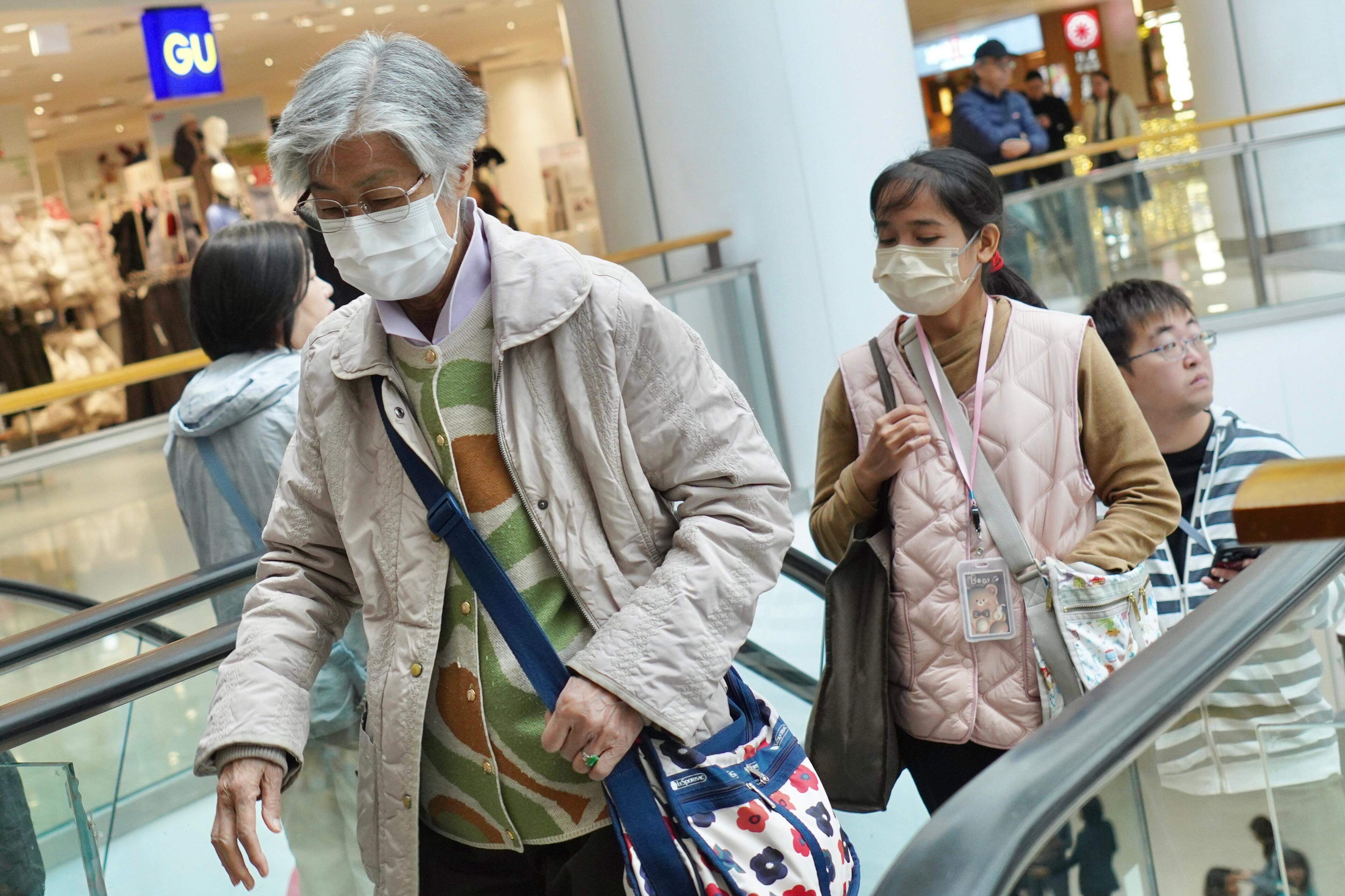
Hong Kong authorities are urging residents to get vaccinated as the so-called “super flu” makes headlines worldwide.
Amid the rise in infections, a local research team also found that 99 per cent of residents lacked sufficient antibodies needed to protect themselves from the new strain.
With many people travelling for the Christmas holiday, the SCMP breaks down what the new super flu is, whether it is as dangerous as it sounds and what you can do to protect yourself.
1. What is the super flu?
The World Health Organization and Hong Kong’s Department of Health warned earlier this month that there had been a “rapid increase” in cases of a new variant of the H3N2 Influenza A virus, also known as subclade K, since August.
Its emergence has been associated with noticeable spikes in year-on-year influenza cases across the northern hemisphere, including the United Kingdom and the rest of Europe.
The Department of Health said that cases of subclade K had been detected in more than 34 places, with influenza rates reaching high levels in popular travel destinations for Hongkongers such as mainland China, South Korea and Japan.
It added that while the subclade K had been spreading rapidly, current data indicated the strain did not cause a more severe form of illness.
The Centre for Health Protection said that symptoms of influenza include fever, cough, sore throat, runny nose, muscle and joint pain, fatigue and headache.
Professor Kelvin To Kai-wang from the University of Hong Kong’s microbiology department said the term “super” was accurate, describing the virus’s rapid spread caused by limited community immunity.
A study published on Tuesday, which To contributed to, found that only 0.7 per cent of Hong Kong residents had antibody levels considered sufficient to grant a high level of immunity against the new strain.
More than 80 per cent of cases showed no detectable signs of such antibodies.
2. How prevalent is the super flu in Hong Kong?
To’s team collected 29 respiratory specimens from Queen Mary Hospital in Pok Fu Lam between December 6 and 11, finding that the strain accounted for 82.8 per cent of all influenza cases.
The J.2.2 variant, which was prevalent during the summer, only accounted for around 13.8 per cent of cases by comparison.
While the Department of Health has not provided a breakdown of local flu cases by strain, it warned on Monday that local influenza activity remained at a high level.
“Based on past experience, Hong Kong’s winter influenza season typically occurs between January and March,” it said.
“Therefore, it cannot be ruled out that the local influenza activity will further increase, leading to an overlap of the current influenza season with the winter influenza season early next year.”
3. How effective are vaccines against the super flu?
Centre for Health Protection controller Dr Edwin Tsui Lok-kin said that while there were some antigenic differences between the new strain and the variant used to develop the current vaccine, it would still offer protection for residents.
He noted that it took about two weeks for antibodies from vaccination to develop in the body to provide sufficient protection against influenza.
Professor Ivan Hung Fan-ngai, also of the University of Hong Kong, said that current flu vaccines were still effective at preventing serious cases of the super strain, even with the low levels of immunity among residents.
He cited a November study from England, which found that vaccinations reduced the need for emergency department visits or hospital admissions by up to 75 per cent among children and adolescents and by up to 39 per cent for adults.
Hung said the statistics from the study were “very much the same” when compared with previous flu seasons.
“So the vaccine is well-matched and remains very effective,” he said.
4. What if I left Hong Kong for the holiday?
Hung said it was important for travellers to maintain good personal hygiene, particularly among those considered to be at higher risk of infection.
He advised everyone to wash their hands frequently when going out and recommended people wear masks if they were using public transport.
The academic said that if someone suspected they had developed symptoms, they should immediately take a rapid test to confirm if they were infected.
Rapid tests can be found at most pharmacies, he noted.
Hung said confirmed patients should try to see a doctor who could prescribe antiviral medicine.