Every week, Talking Points gives you a worksheet to practise your reading comprehension with exercises about the story we’ve written.
Feeling tired while studying for an exam? You might try polyphasic sleep: nap for an hour or two, wake up to keep revising and take another nap as needed.
But sleep experts warn that even if your naps add up to a full night of rest, this style of sleeping is risky.
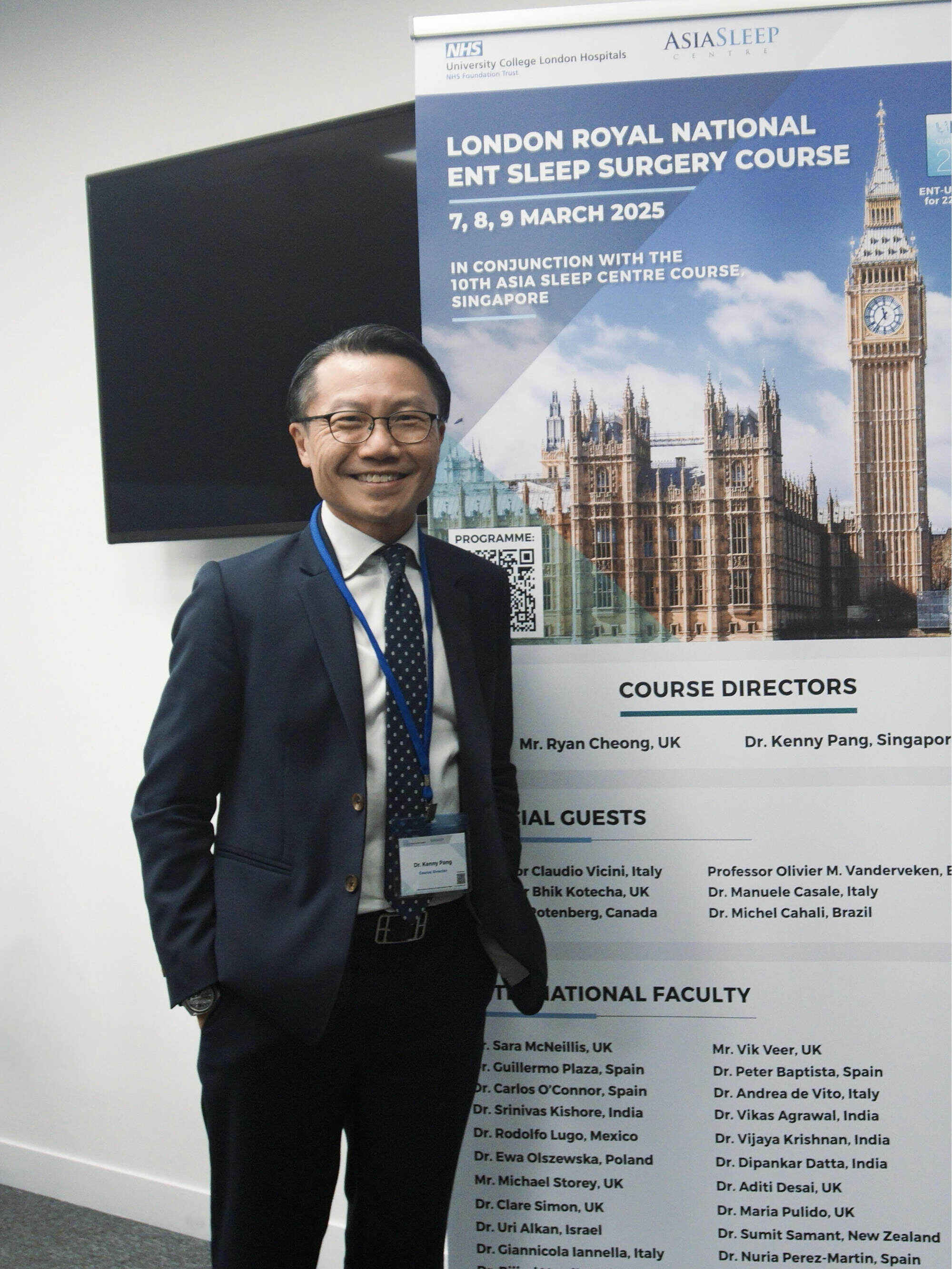
Dr Kenny Pang from the Asia Sleep Centre in Singapore explained: “Sleep quantity is important, but sleep quality is also important.”
Dr Jacky Ho is the dean of the faculty of health sciences at the University of Saint Joseph, Macau. According to Ho, breaking sleep into smaller chunks keeps you from getting deep sleep.
“Deep sleep is very important for our body to recover,” Ho said. “We need that transition phase from light sleep to deep sleep.”
A 2017 study by US researchers found that polyphasic sleep was linked with poorer performance in school even when the participants slept for the same amount of time.
Why you need rest
The National Sleep Foundation in the US advises that teenagers get at least eight hours of sleep every night. But many Hong Kong students are not reaching this amount.
The 2022 Active Healthy Kids Hong Kong Report Card found that only 40 to 46 per cent of children and adolescents were getting enough sleep.
Ho listed a few signs of sleep deprivation: tiredness during the day, moodiness and irritability. In the long-term, not getting enough sleep affects your brain’s abilities and increases your risk for dementia.
The professor noted the importance of sleep.
“It supports our immune system ... It’s a way to help us to rejuvenate and to recover ourselves and to maintain our body to have a certain level of energy,” he said.

Tips for sleep
Melatonin is a hormone that helps you feel sleepy. The best time for students to go to bed is related to when the brain releases melatonin.
“Melatonin comes out from the pineal gland in the brain around 10pm to 11pm at night. [It] peaks at 1am to 2am and starts to dwindle away,” Pang said. “One should sleep by 11pm and wake around 7am.”
It might not be easy to change your schedule if you are used to sleeping late.
Ho recommended making time to relax before bed.
“Our brain is still very active; we are processing a lot of information,” he said.
You can try reading a book, journaling, meditating, drawing or listening to calming music.
“Avoid caffeine, screen time ... [and] intensive physical activity at least two hours before bedtime,” Ho added.
Ho noted that for those who have mental health problems or stressful situations affecting their sleep, they might need to find other ways to take care of their underlying issues.
Many Hong Kong students feel pressure to sleep less so that they can study more. But Ho stressed the importance of being “realistic”.
“We cannot do that much ... [in a] day, and we have to prioritise our life,” he said.
According to Ho, improving teen sleep in Hong Kong would also need help from other groups in society. For example, schools, parents and the government can work together to reduce students’ academic pressure.
“If we are calling our young people the generation of our future, I think we should take a very serious step [towards] ... promoting better health,” Ho said.