Deep Dive delves into hot issues in Hong Kong and mainland China. Our easy-to-read articles provide context to grasp what’s happening, while our questions help you craft informed responses. Check sample answers at the end of the page.
News: Hong Kong’s deadliest fire in decades
-
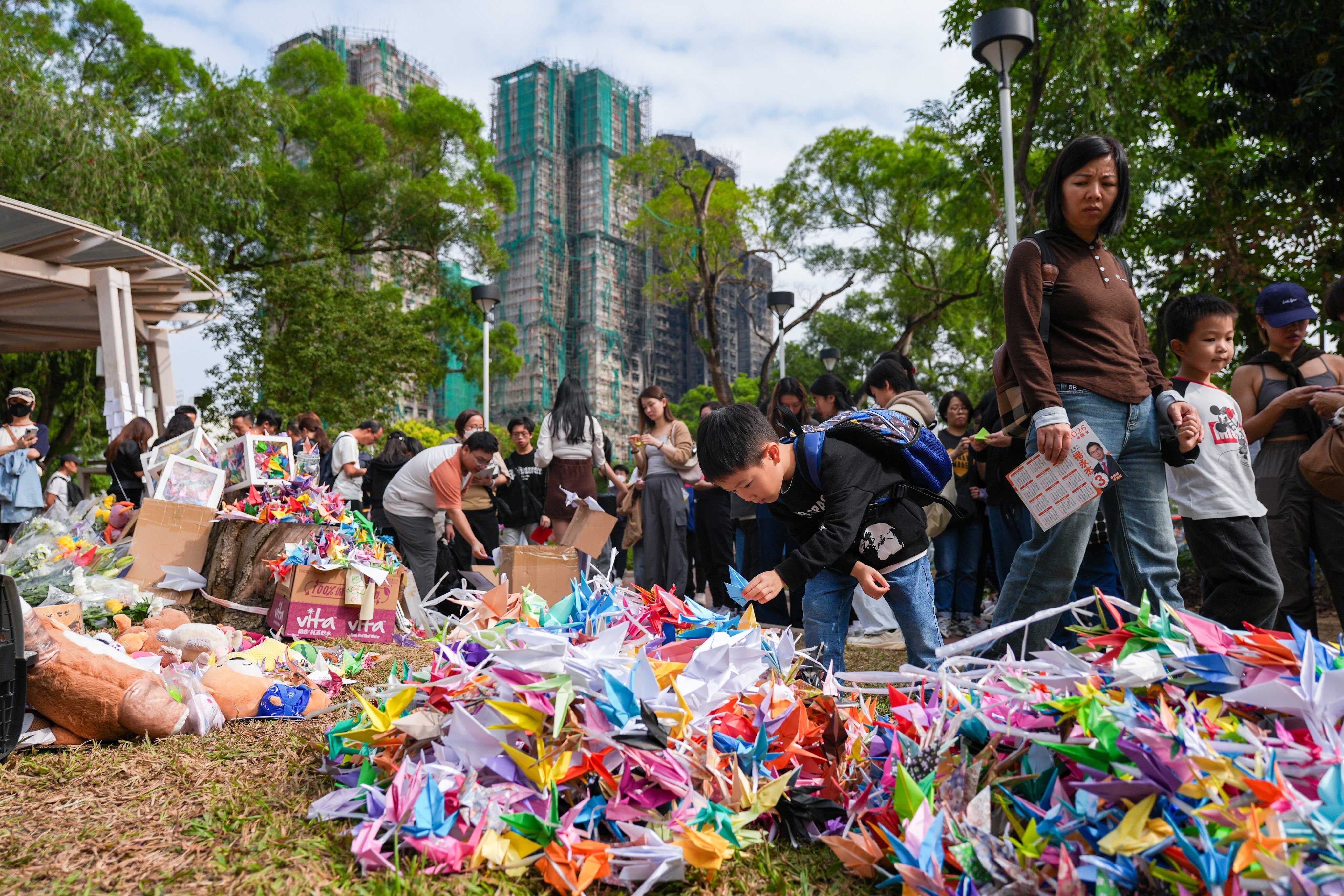
A devastating blaze broke out in Wang Fuk Court in Tai Po last month, killing at least 160 people
On November 26, a fire broke out at Wang Fuk Court, engulfing seven residential blocks at the housing estate in Tai Po.
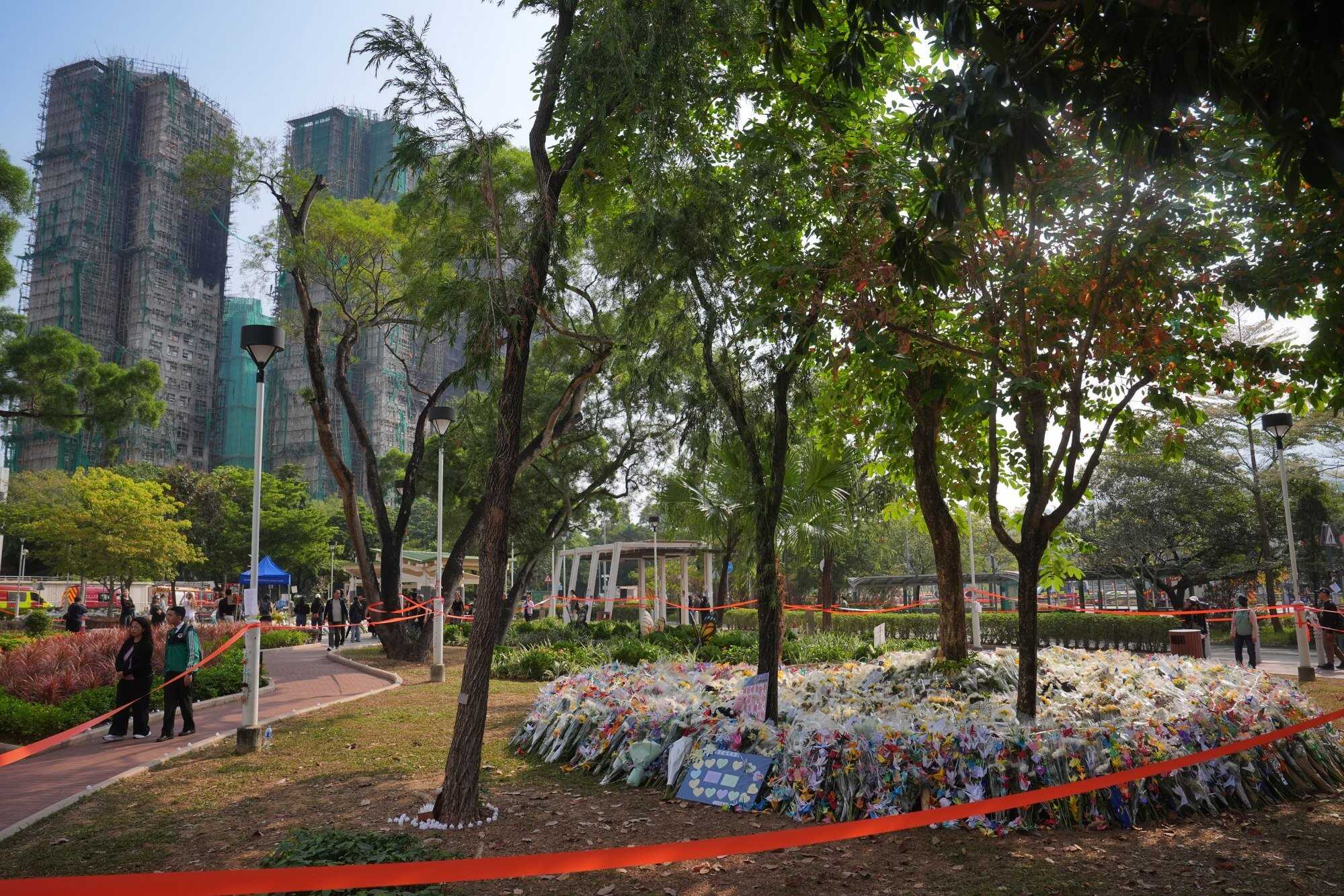
The inferno burned for more than 48 hours, killing at least 160 people, including one firefighter, and destroying the homes and belongings of thousands. It is Hong Kong’s deadliest fire in 77 years.
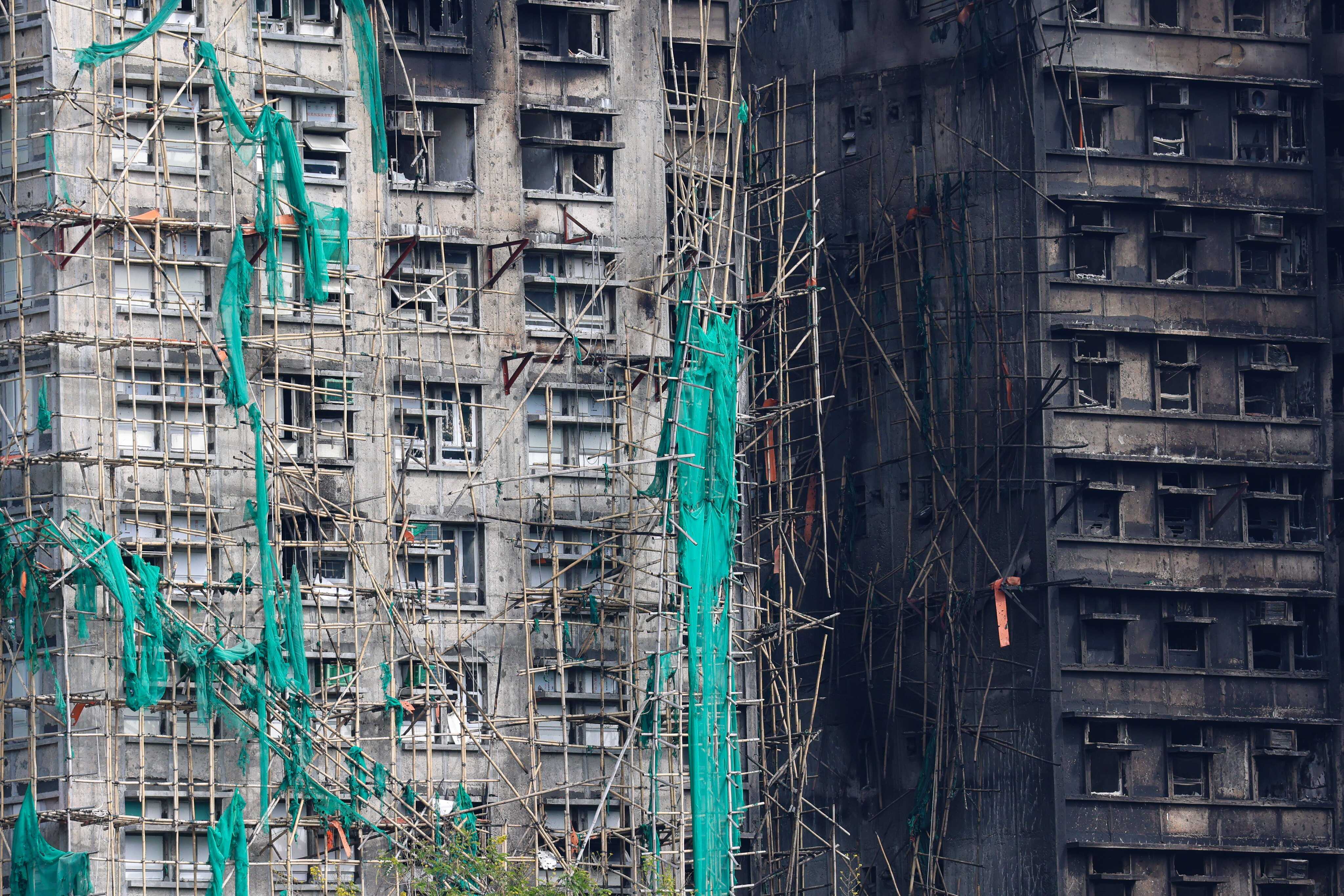
The blaze tore through buildings, burning through green mesh netting and around bamboo scaffolding that had covered the 31-storey towers during renovations.
Just three hours after being reported, it was quickly classified as a top-level No 5 alarm. In Hong Kong, fires are rated on a scale of one to five, with higher numbers indicating greater severity.
All eight towers at Wang Fuk Court had been under renovation since July of last year. The fire’s rapid spread is largely thought to have been due to a mixture of flammable material and alarms that failed to sound.
The government had ordered a compulsory renovation at Wang Fuk Court. Residents were billed more than HK$300 million, with each unit paying between HK$160,000 and HK$180,000. Many objected, but the project went ahead, beginning in January 2024, with plans to be completed by mid-2026.
Initial investigation found that some of the scaffolding netting used in the renovation work failed fire-retardant tests. Residents also said that their windows had been sealed with highly flammable polystyrene foam and that they had not heard a fire alarm. Some speculated that construction workers seen smoking on site had left unextinguished cigarette butts.
Preliminary investigations by Hong Kong fire services suggest that the November blaze may have started on scaffolding between the first and second floors of Wang Cheong House (Block F).
“We will continue to conduct an in-depth investigation,” Andy Yeung Yan-kin, the city’s fire services director, said. “This will include the use of computer simulations and creating a one-to-one scale model to simulate the fire to see whether it was really the fire’s starting point.”
As of December 9, scaffold nets have been removed from the external walls of 230 private buildings in Hong Kong in response to an order from authorities. The removal order was issued as part of follow-up measures and after fake safety certificates were found on some sites.
The Social Welfare Department has also been in contact with more than 1,970 affected households. Some 4,900 residents have registered for the “one social worker per household” follow-up service.
Staff writers
Question prompts
1. Which of the following is false, according to the information in the news?
(1) On November 26, many residents heard a fire alarm and left their homes.
(2) Wang Fuk Court had been undergoing a costly compulsory renovation.
(3) Mesh netting and polystyrene foam used for renovation caught fire easily.
(4) The Tai Po fire had no casualties.
A. (1), (2) only
B. (1), (4) only
C. (2), (3) only
D. (2), (4) only
2. Explain what Hong Kong’s fire services plan to do to determine the cause of the blaze.
3. Why were many Wang Fuk Court residents unaware of the fire when it broke out? Explain using the news, Glossary and your own knowledge.
Visual

Question prompts
1. Based on this visual, which residential blocks were hit by the fire?
2. How disastrous was the Wang Fuk Court blaze? Explain using the news, Glossary and your own knowledge.
Glossary
Wang Fuk Court: a subsidised home-ownership residential estate in Tai Po. Built in 1983, it has eight 31-storey blocks housing around 4,600 people.
mesh netting: a protective netting used during building work to prevent debris from falling into public spaces
bamboo scaffolding: a flexible framework of bamboo poles that provides platforms for building, repairing or demolishing structures
compulsory renovation: Wang Fuk Court’s renovation came via an official order issued under a mandatory building inspection scheme in 2016. Each year, Hong Kong requires around 600 properties aged at least 30 years to be professionally inspected and repaired.
Sample answers
News
-
B
-
Hong Kong’s fire services plan to carry out an in-depth investigation to determine the cause of the Wang Fuk Court blaze. According to Fire Services Department Director Andy Yeung Yan-kin, this will involve computer simulations and the creation of a one-to-one-scale model of the affected area to simulate the fire.
-
Many Wang Fuk Court residents were unaware of the fire because the fire alarms failed to sound. This meant they did not receive any immediate warning when the blaze started. Additionally, their windows had been sealed with highly flammable polystyrene foam used during renovation works. This could have blocked smoke or heat from entering flats at first, delaying people’s realisation that a fire was spreading. The bamboo scaffolding and mesh netting used during renovation may have also contributed; both can create a sort of outer barrier that traps smoke and flames outside initially, preventing residents from noticing the danger until it was too late. In short, the combination of faulty alarms, sealed windows and renovation materials made it difficult for residents to detect the fire promptly.
Visual
-
Based on the visual, fire tore through seven residential blocks except Wang Chi House in Wang Fuk Court.
-
The inferno burned for more than 48 hours, killing at least 160 people, including one firefighter, and destroying the homes and belongings of thousands. It is Hong Kong’s deadliest fire in 77 years. Three hours after being reported, it was classified as a top-level No 5 alarm.