Deep Dive delves into hot issues in Hong Kong and mainland China. Our easy-to-read articles provide context to grasp what’s happening, while our questions help you craft informed responses. Check sample answers at the end of the page.
News: Hong Kong repeals seat belt rule
-
City reversed a law requiring passengers to wear seat belts on buses just five days after it went into effect
-
A passenger was trapped after a seat belt buckle became jammed, requiring rescue by firefighters and medical help
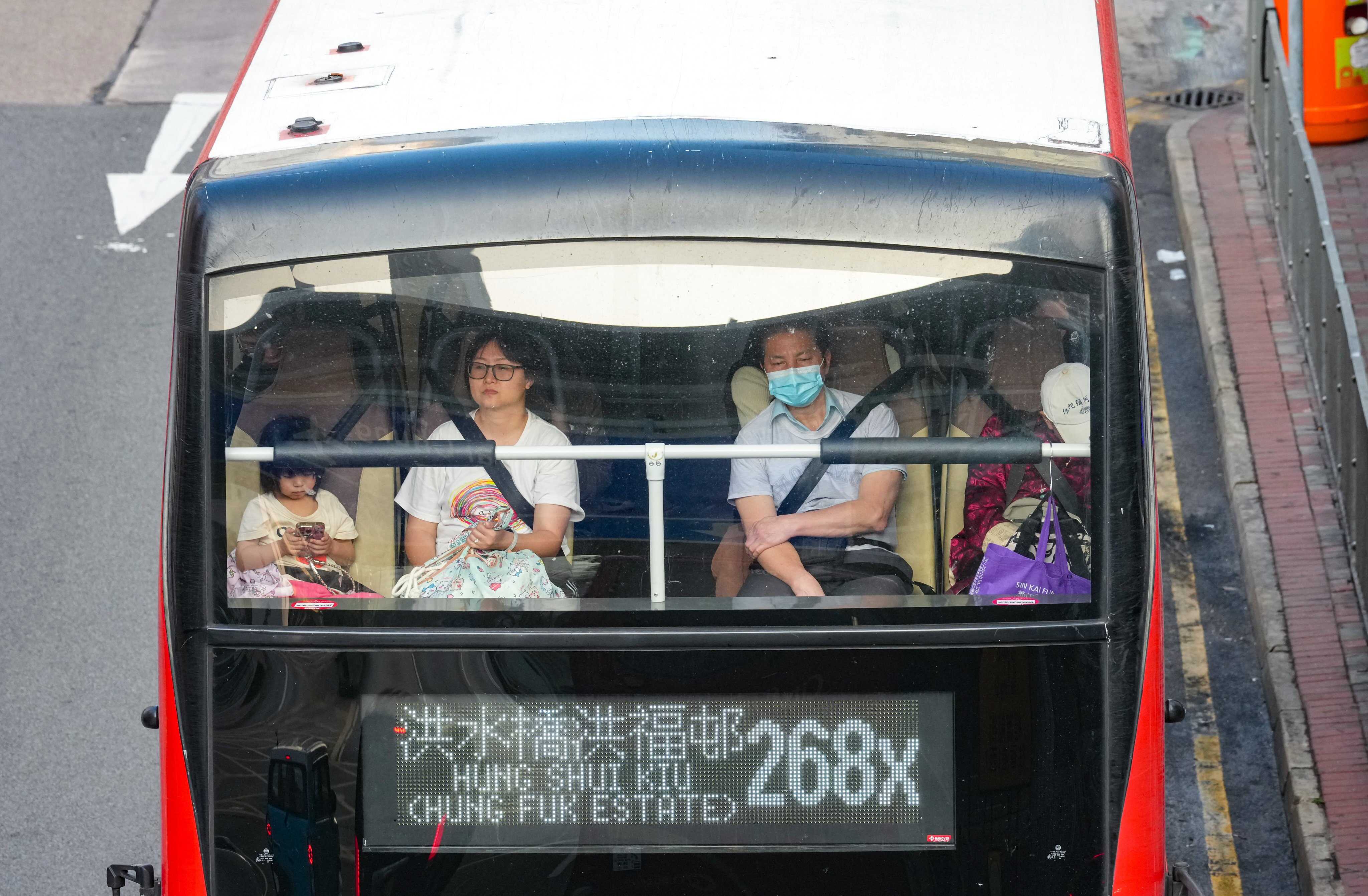
Hong Kong transport authorities said it would reverse a controversial law just five days after it went into effect. The rule required bus passengers to wear seat belts. The sudden change came after many people criticised the law and lawmakers realised it did not cover all buses.
Mable Chan, the Secretary for Transport and Logistics, announced the reversal on January 30. Chan admitted that the legislation had “deficiencies”. She added that the law failed to reflect the policy’s intention. Its aim was to have passengers on public or private buses – including franchised and school services – wear seat belts when available.
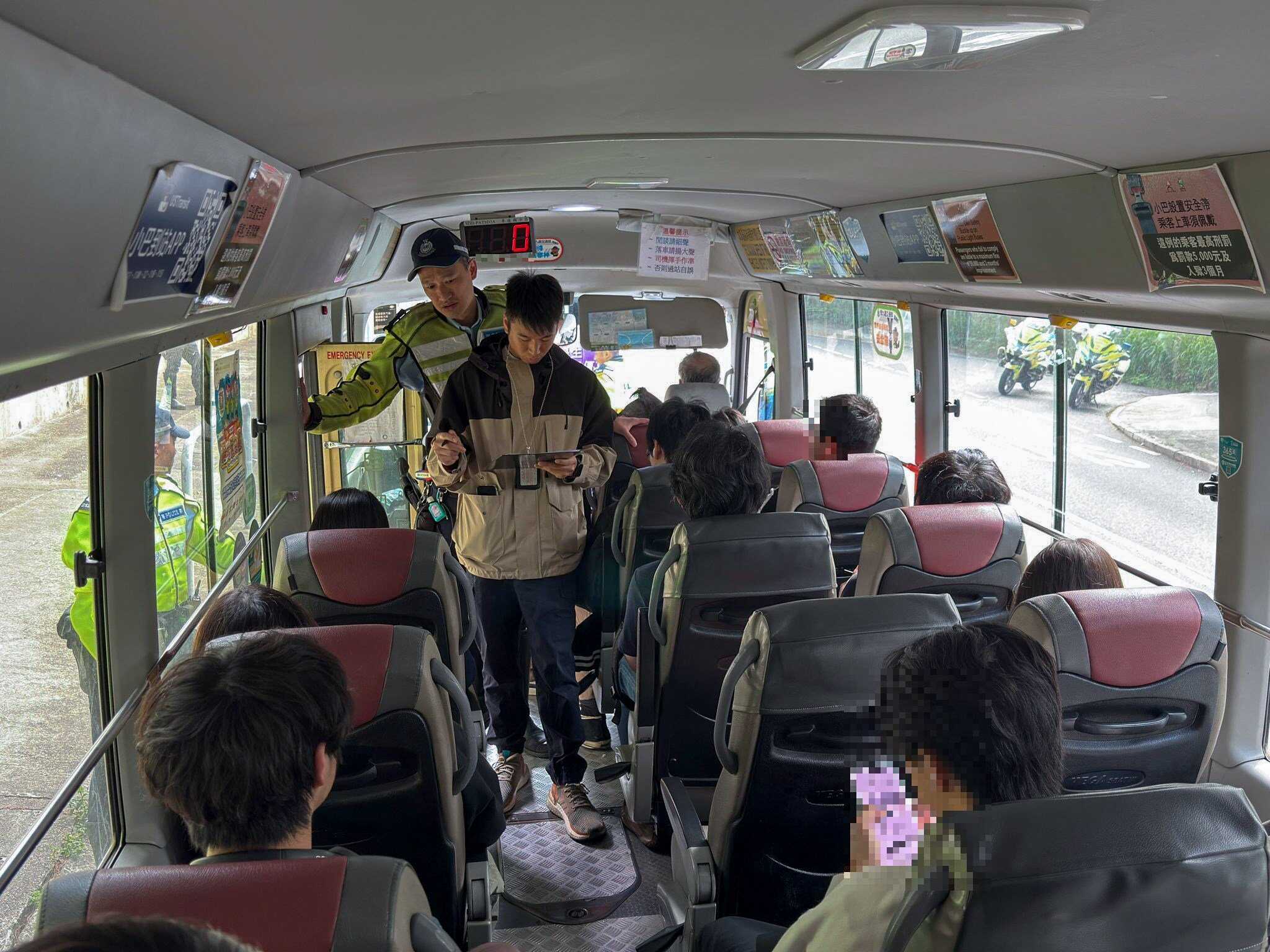
Chan noted that the legislation was intended to extend mandatory seat belt rules to all vehicles. The rules had previously only applied to private cars, taxis and minibuses. The law was officially repealed on Friday.
Chan added that the government would study ways to improve the law’s implementation. It would also take public views gathered during this period into account and consult the Legislative Council.
The government’s reversal followed comments by former lawmaker Doreen Kong Yuk-foon.
Kong is a member of a subcommittee that scrutinised the proposed legislative amendment last year. She said the law applied only to new buses registered from January 25, the day the seat belt rule took effect. She added that a government press release on January 8 had caused confusion by stating that passengers had to wear seat belts regardless of when the vehicles were newly registered. This contradicted the actual law.
In addition, anyone convicted of breaching the law had faced a maximum fine of HK$5,000 and up to three months’ imprisonment.
Chan said the administration would strengthen education on seat belt use. The transport chief hoped this would encourage the public to buckle up on buses for their own safety.
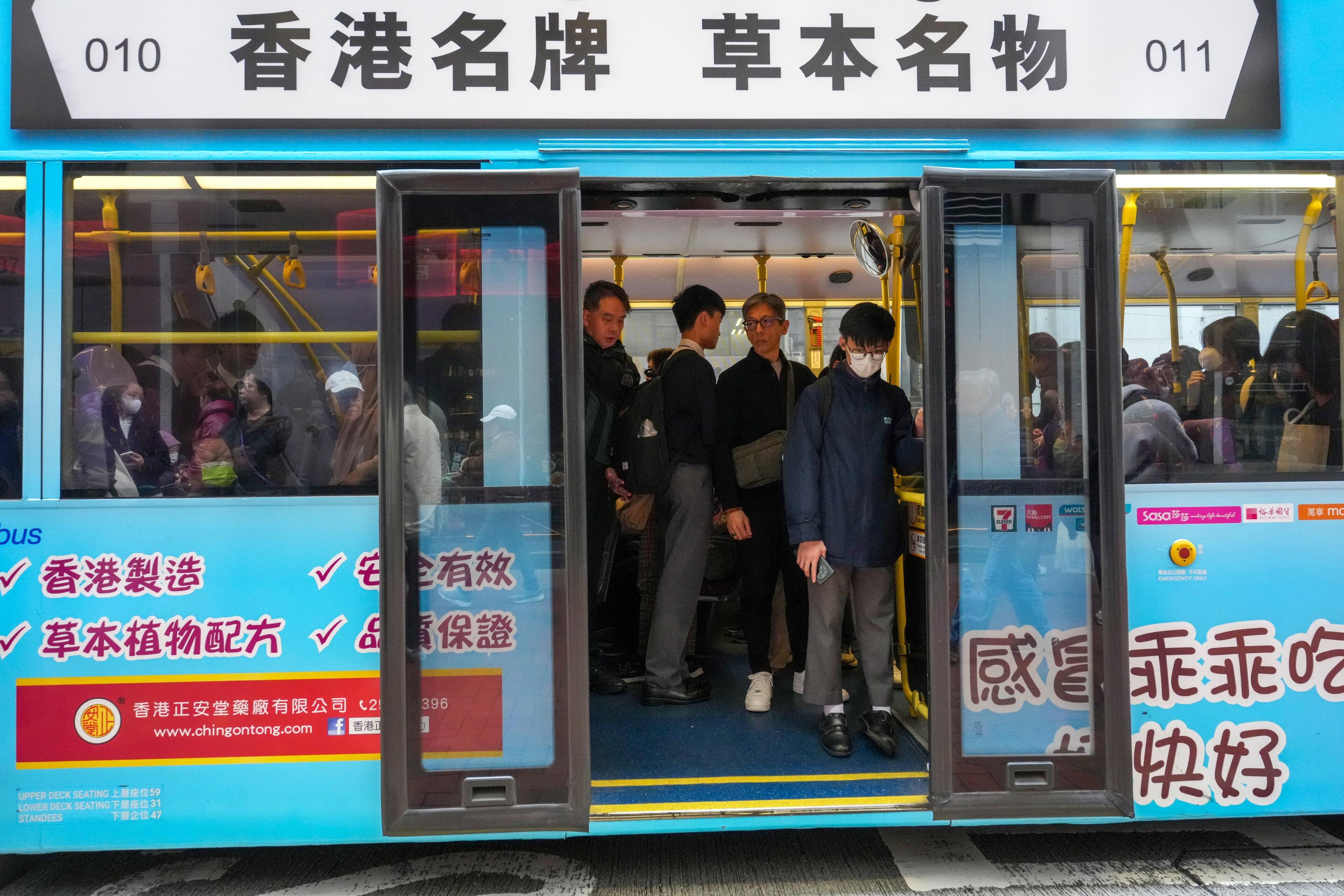
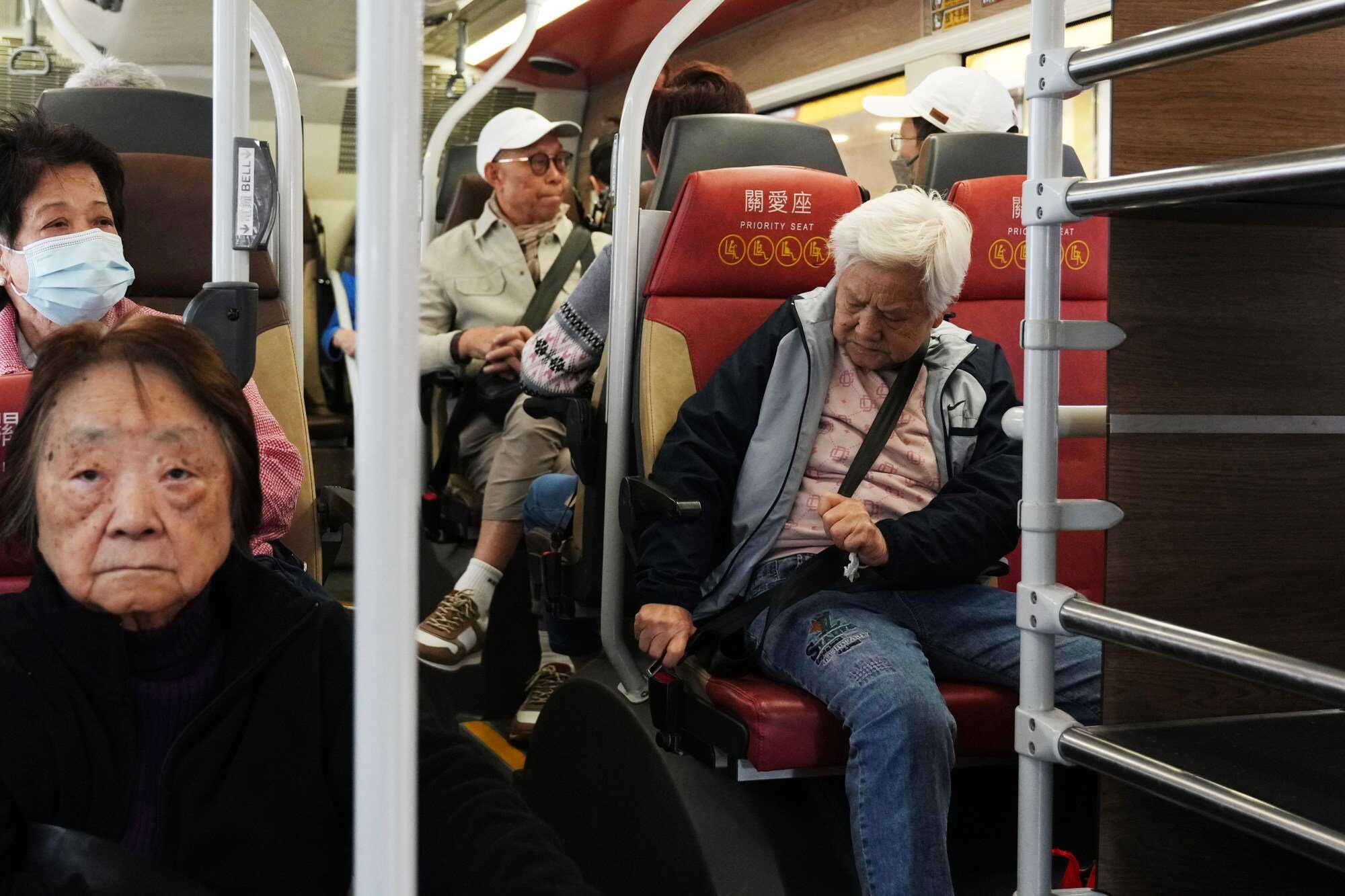
Some residents had complained about poorly fitting restraints. They had also expressed concerns that early unbuckling before alighting would breach the law.
A day before the law was reversed, a 40-year-old passenger was unable to unfasten his seat belt. He had been preparing to get off a 795X service bus run by franchised operator Citybus.
Firefighters and paramedics were called to the scene. The man later received hospital treatment.
Citybus later said it had found a piece of aluminium foil lodged inside the belt’s buckle. The firm said it suspected that someone had deliberately tampered with the buckle.
Staff writer
Question prompts
1. Which of the following are false, according to the news?
(1) Hong Kong transport authorities said they would repeal a controversial law.
(2) According to the law, those who failed to buckle up on buses faced up to five months’ imprisonment.
(3) Some Hongkongers were not in favour of the rule, citing difficulty alighting.
(4) Authorities decided to reverse the law because no one followed it.
A. (1), (2) only
B. (1), (4) only
C. (2), (3) only
D. (2), (4) only
2. List TWO reasons the Hong Kong government chose to pause the seat belt law.
3. To what extent did you agree with the seat belt law, and will you buckle up on public buses even without a law in place? Explain using the news, glossary and your own knowledge.
Photo
Question prompts
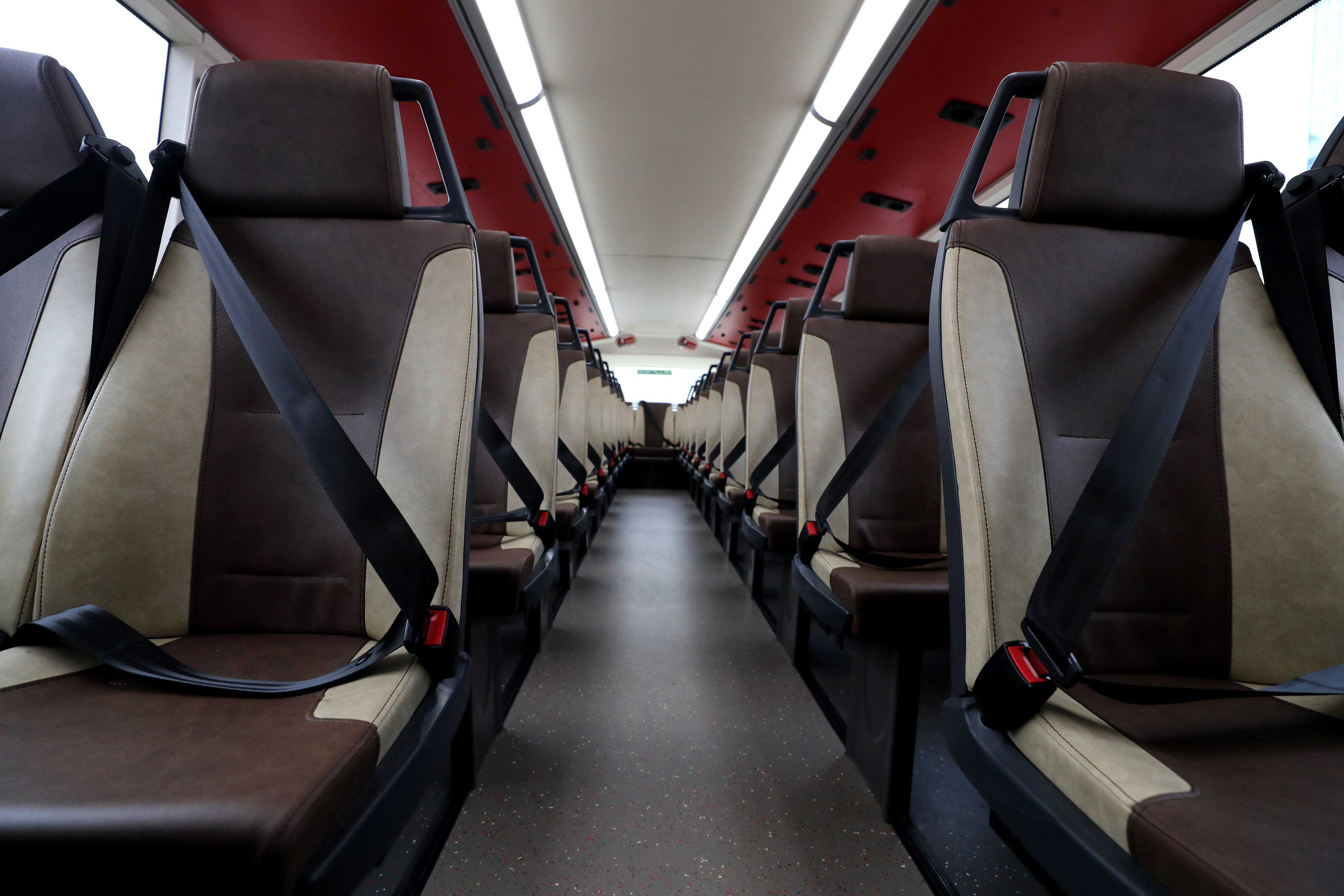
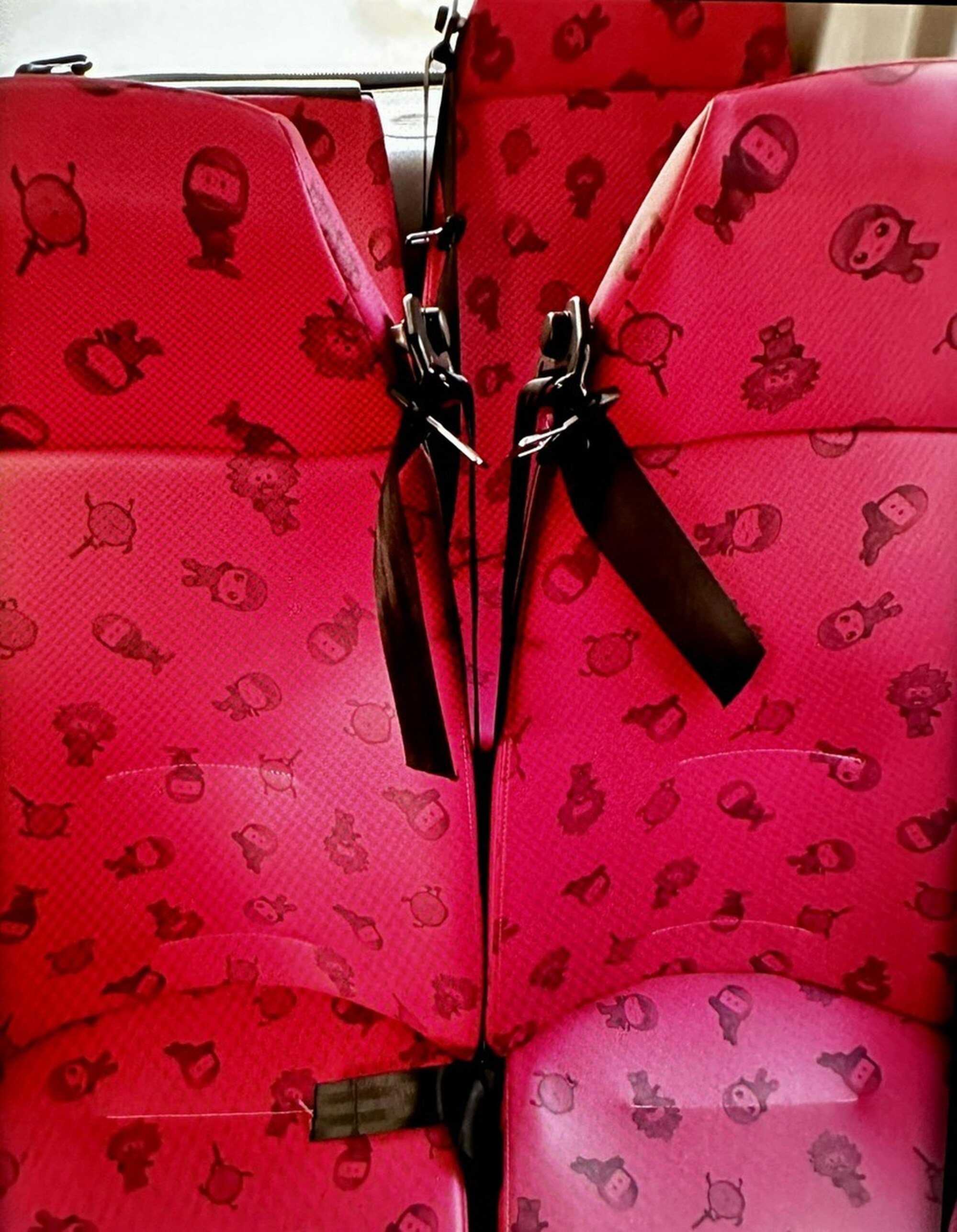
1. Explain what seems to have happened to these seat belts.
2. What are the challenges in enforcing a mandatory seat belt rule in the city, and what could authorities have done to make the law more acceptable to the public?
Glossary
franchised: a business model where a company or government gives formal permission, such as licences, for the selling of goods and services in a particular area
breaching: to not keep to an agreement or a promise; to break
alighting: to get off or out of a bus, train or other vehicle
tampered with: to make changes to something without permission, especially to damage it
Sample answers
News
-
D
-
The Hong Kong government chose to pause the seat belt law because the legislation had “deficiencies” and caused confusion. This is because the law applied only to new buses registered from January 25, while an earlier government notice had suggested it applied to all buses. In addition, there were serious safety and public concerns. For example, there was an incident in which a passenger was trapped by a jammed seat belt buckle and required help from firefighters and medical treatment. There were also complaints about poorly fitting seat belts.
-
I partly agreed with the seat belt law. The government’s intention was reasonable because seat belts can reduce injuries in traffic accidents, and similar rules already apply to private cars, taxis and minibuses. According to the news, the government wanted to extend existing seat belt rules to all buses to improve public safety. However, the law was unclear and misleading, as it only applied to newly registered buses. There were also practical problems, such as poorly fitting seat belts and concerns that passengers would need to unbuckle early to alight in time. The incident where a passenger was trapped because the seat belt was possibly tampered with shows that safety risks were not fully considered. Even without a law in place, I would still buckle up on public buses when seat belts are available. Wearing a seat belt can reduce the risk of serious injury during sudden braking or accidents. Although the law was repealed, using a seat belt is still a responsible action to protect my own safety. (accept all reasonable answers)
Photo
-
It appears that some seat belts on a Kowloon Motor Bus (KMB) double-decker in Ma On Shan were cut, a separate incident in which seat belts were once again deliberately tampered with.
-
Hong Kong buses are often crowded, with passengers frequently boarding and alighting, making it difficult for drivers or inspectors to check whether everyone is wearing a seat belt. This increases the risk of unintentional lawbreaking. There are also safety and design issues to consider, such as poorly fitting seat belts and potentially tampered-with seat belts and buckles. This raises the question of whether bus seat belts are safe and suitable for everyone. Authorities could have carried out broader public consultation before introducing the law, allowing passengers, bus operators and experts to raise concerns early. This would have helped policymakers better understand everyday commuting conditions.