This story has been updated to reflect changes in the law.
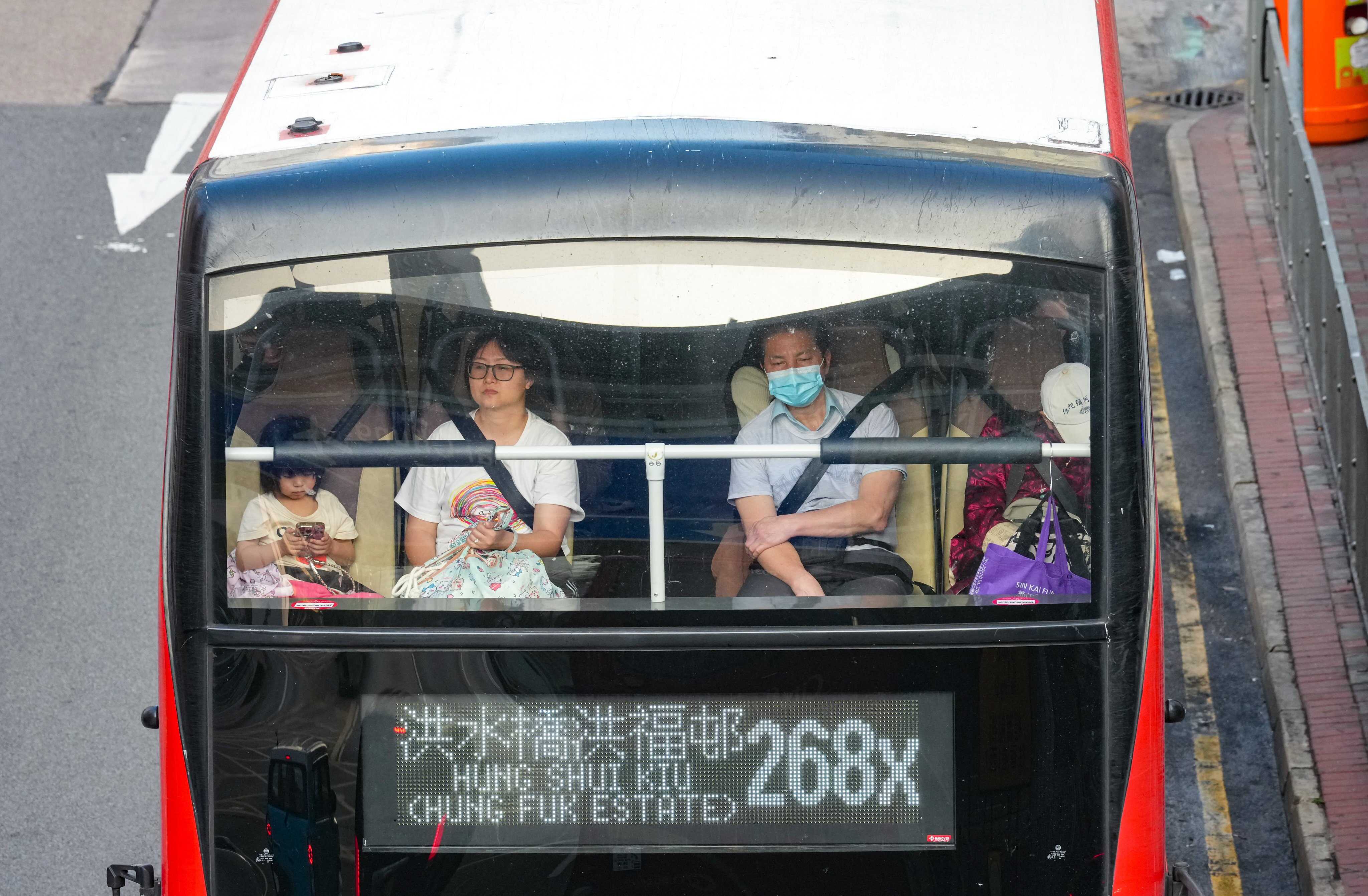
Hong Kong’s transport chief has said the government will suspend a mandatory seat belt requirement for bus passengers and revise the legislation, after the law was found to be only applicable to new buses registered from January 25.
Secretary for Transport and Logistics Mable Chan on Friday admitted there were “deficiencies” in the law, saying it had failed to reflect the policy’s intent to require all passengers travelling on public or private buses – including franchised and school services – to wear seat belts where available.
Former lawmaker Doreen Kong Yuk-foon, a member of the subcommittee that examined the proposed legislative amendment last year, dropped a bombshell the day before.
Kong noted that the written law actually only applied to new buses registered from January 25 this year. She said a government press release on January 8 had caused confusion by stating passengers had to wear seat belts regardless of whether the vehicles were newly registered – contradicting what was written in the law. Those convicted of breaching the law would have faced a maximum fine of HK$5,000 and up to three months’ imprisonment.
Residents had complained about the rules, citing poorly fitting restraints, hygiene issues and concerns that early unbuckling would mean a breach of the law. The law had also prompted the city’s major political parties to call for a review of the legislation in six to nine months.
Critics noted that in other jurisdictions, such as the United States, Britain and the Netherlands, mandatory seat belt rules typically apply only to intercity or cross-border buses, not urban routes.
Prior to the suspension, Stella Lee Yim-fong, safety director of the Transport Department, dismissed suggestions to limit the rule to long-haul routes, arguing that Hong Kong’s geography demanded stricter standards.
“There are a lot of hilly areas and steep roads [in Hong Kong], and many bus routes pass through highways, even some short-haul routes,” Lee told a radio programme. “And some roads are narrow and winding.”
Lee argued that because of these conditions, there is an “actual need” to require seat belt use on all routes.
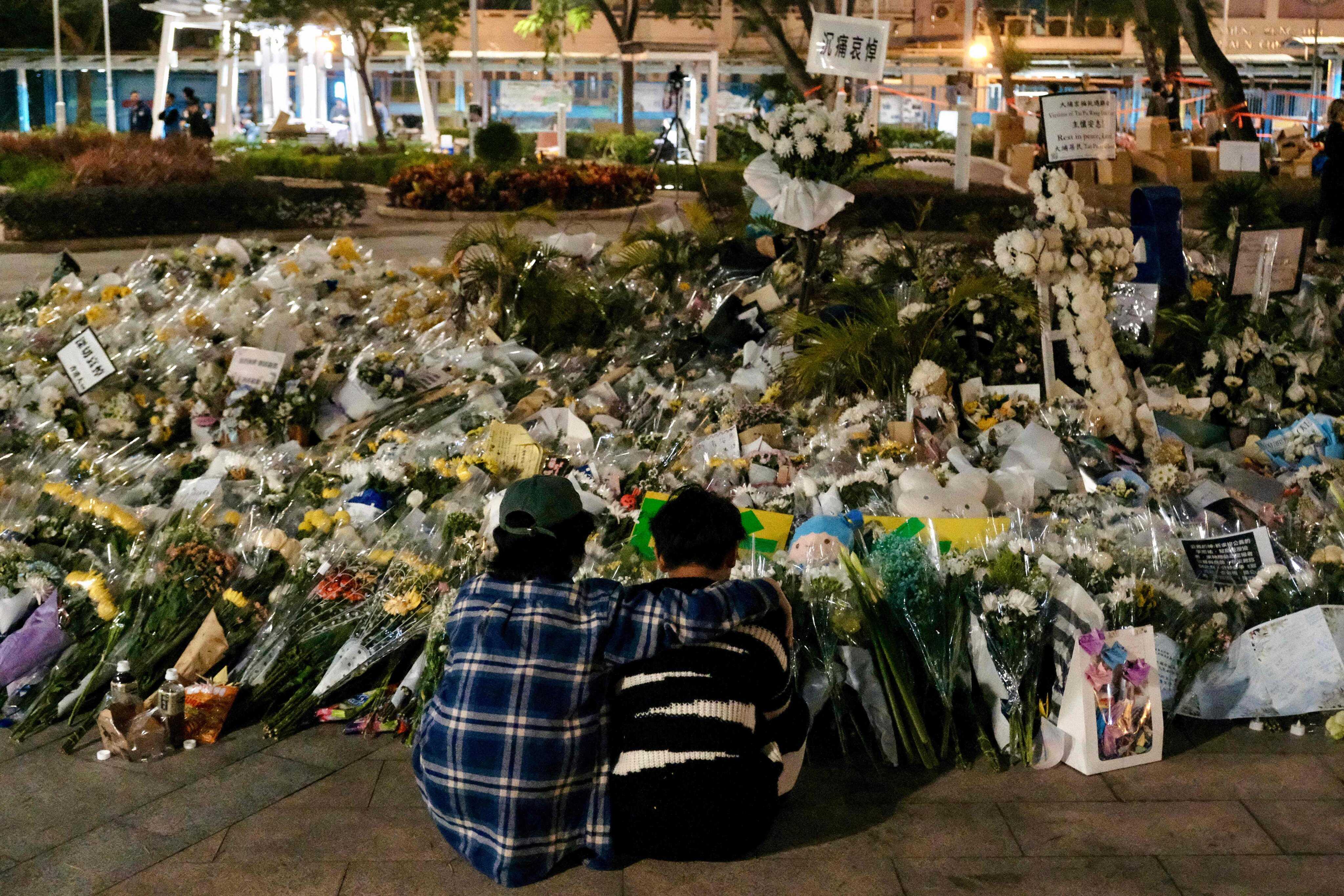
The push for universal seat belts stems from the tragic 2018 Tai Po Road bus crash, which claimed 19 lives.
Lo Hong-kam, dean of engineering at the Hong Kong University of Science and Technology and a member of the post-crash review committee, voiced his support for the government’s stance before the suspension.
He said that Hong Kong’s city buses carry nearly four million passengers daily and that many accidents occur in urban areas, especially when buses change lanes or brake at traffic lights.
According to the government, studies show that wearing seat belts can reduce the risk of death and serious injury of drivers and passengers in head-on collisions by about 40 per cent and 70 per cent, respectively.