Do you have something to say? Send us a letter using this form.
Stronger together
Athena Ng Chi-kei, St Mary’s Canossian College
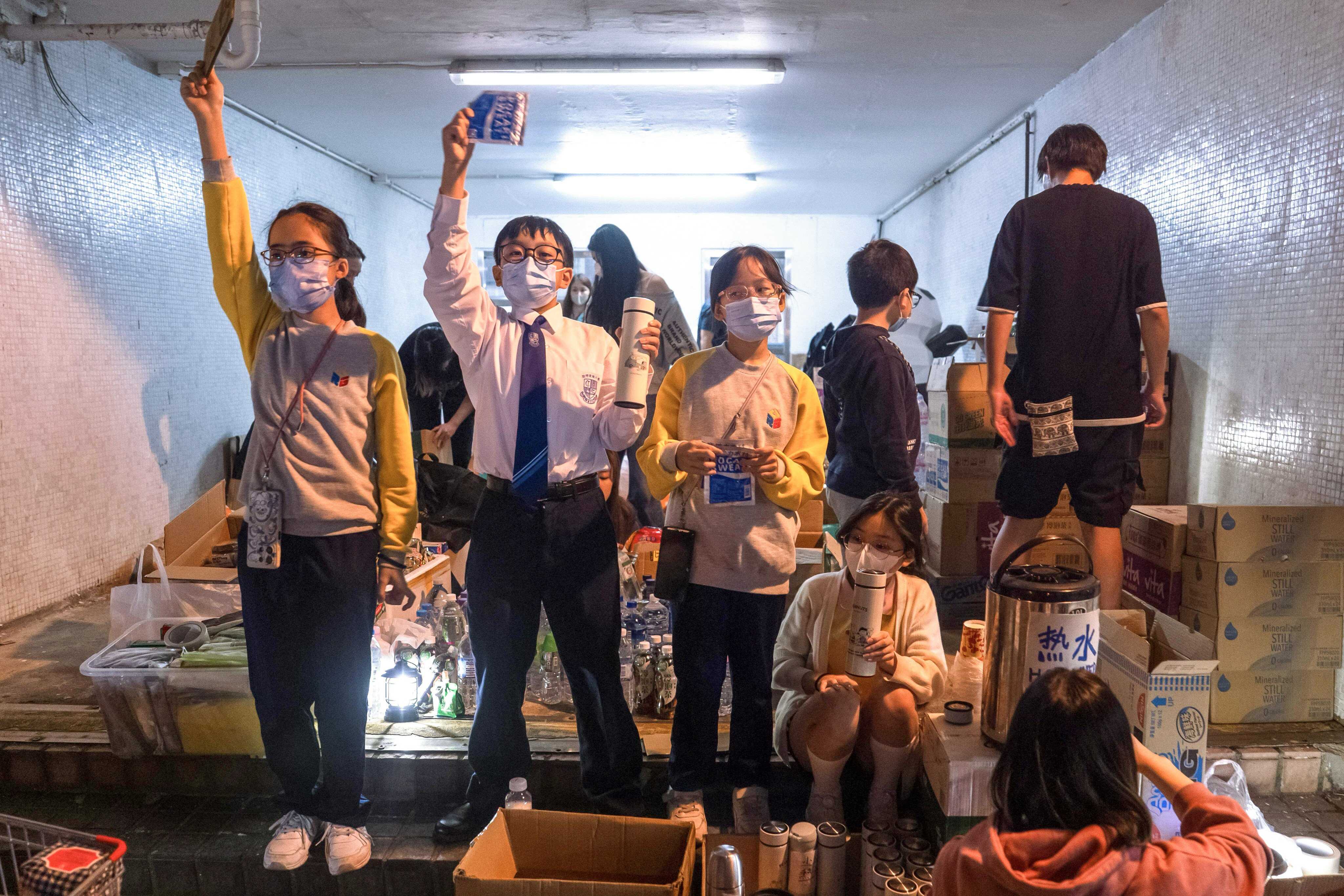
The tragic Wang Fuk Court fire in Tai Po has shaken Hong Kong. More than 100 lives were lost and thousands displaced. It is one of the most heartbreaking disasters our city has faced in decades. But amid this sadness, the strength and compassion of Hong Kong’s young people have been powerful.
A recent article highlighted the efforts of young students, such as 13‑year‑old Susan Huang, who helped deliver pillows and blankets at a temporary shelter. Her words about feeling connected to Hong Kong, even though she lives in Shenzhen, show how a sense of belonging can motivate people to help others in times of need.
Another part of the article that stood out to me was the university students who provided first aid and emotional support to elderly residents who had lost their medication or were feeling unwell. Their actions show that helping others is not only about supplies but also about noticing those who might be quietly suffering.
What impressed me most was the sense of unity. Students, NGOs, doctors, neighbours and strangers all came together, forming a community network stronger than any single organisation.
Issue with priority seats
Matthew Yeung, TWGHs Lo Kon Ting Memorial College
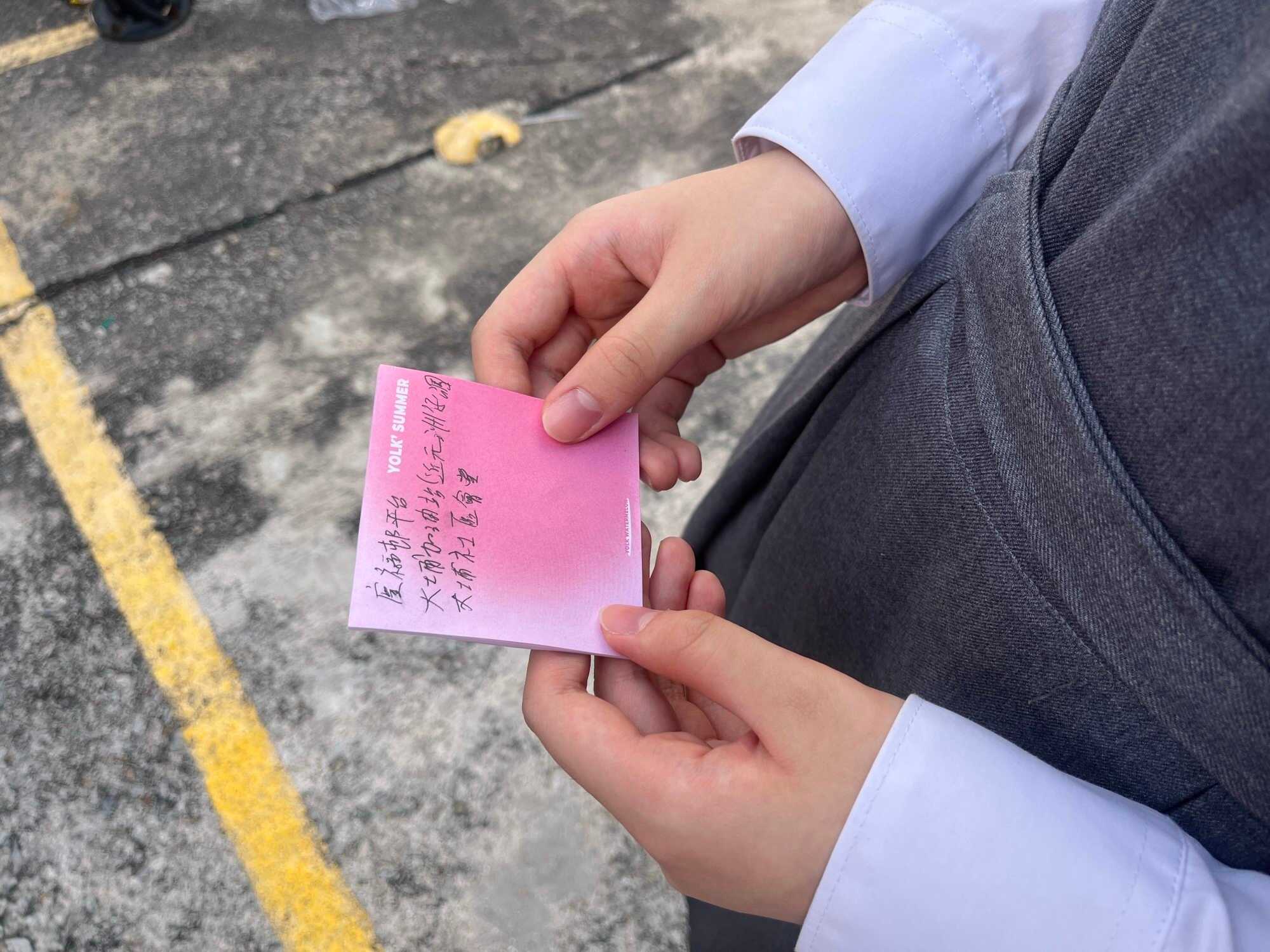
According to my daily observations, reserved “priority” seats are often empty, even during peak hours. Residents are concerned about being criticised for sitting in them, first in public and later online. As a result, people are hesitant to sit down.
This leads to a situation in which priority seats cannot really benefit the public, creating a mismatch in social resources.
Priority seats are also not operating as they were designed to. These special seats are intended for the elderly, disabled and pregnant people.
However, others sometimes put their personal belongings on nearby seats, including priority ones. This keeps those in real need, such as someone injured or sick, from getting the seats – and rest.
To summarise, priority seats on public transport are not being used as intended and are a detriment to society.

Not the worst hobby
Cindy Yau, Pope Paul VI College
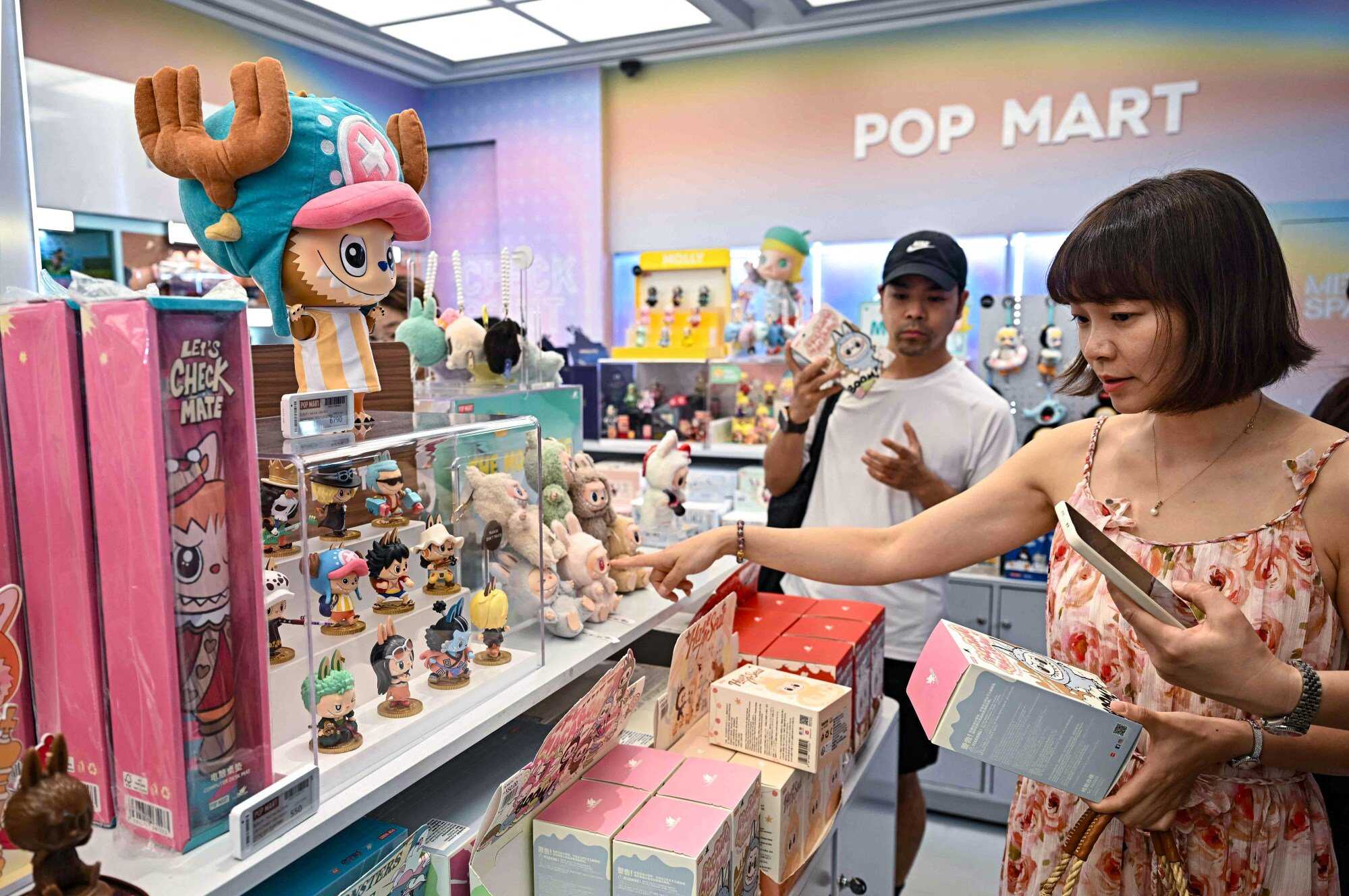
I am writing to express my opinion on whether collecting blind boxes is a good or bad hobby. As Labubu plush toys have become increasingly popular, many people have taken up collecting the blind boxes they come in as a hobby.
I think collecting blind boxes is a good hobby because it really brings me happiness.
For example, after achieving an excellent exam result or when feeling stressed, I usually go and buy one as a reward or a pick-me-up. When I hold the adorable character I love, I feel better and satisfied.
Apart from my own personal experience, I think there is another benefit to this hobby.
Collecting blind boxes gives us a goal to strive for. For instance, someone who feels disappointed with life might find a new purpose in collecting a series of characters they love. This hobby may give many people a small, positive goal to look forward to. Therefore, I think collecting blind boxes is a meaningful hobby.
In conclusion, I think as long as we do not become addicted to such a money-consuming hobby, collecting blind boxes can be a positive pastime that also improves our mental well-being.
3 steps to success
Annice Tong Shun-kiu, St Francis’ Canossian College
Students must embrace the challenges they encounter in their academic journey. Many students struggle with subjects they find difficult and choose to give up, focusing only on what they excel at.
This year, I experienced a significant breakthrough by finally passing maths, a subject I had avoided from Primary Four to Form Two, when I had to repeat the course. But I committed to my studies and succeeded in several subjects I had previously failed, with maths being the most surprising. Here’s how I achieved success after years of struggle.
First, don’t hesitate to seek help. Whether from teachers, classmates, tutors or family, reaching out can help significantly. You simply have to ask.
Second, maintain a dedicated notebook with notes for each chapter. This makes studying for exams easier as you do not have to sift through thick textbooks.
Third, pay attention in class. Engaging with lessons ensures you grasp the concepts, making homework manageable. Highlighting key points allows for quick reference while studying. By following these steps, you’re likely to see improvements in maths and other subjects, leading to satisfaction and growth.