Have something to say? Send us a letter using this form.
Thanking the heroes
Natalie Tai Nok-ching, Immaculate Heart of Mary College
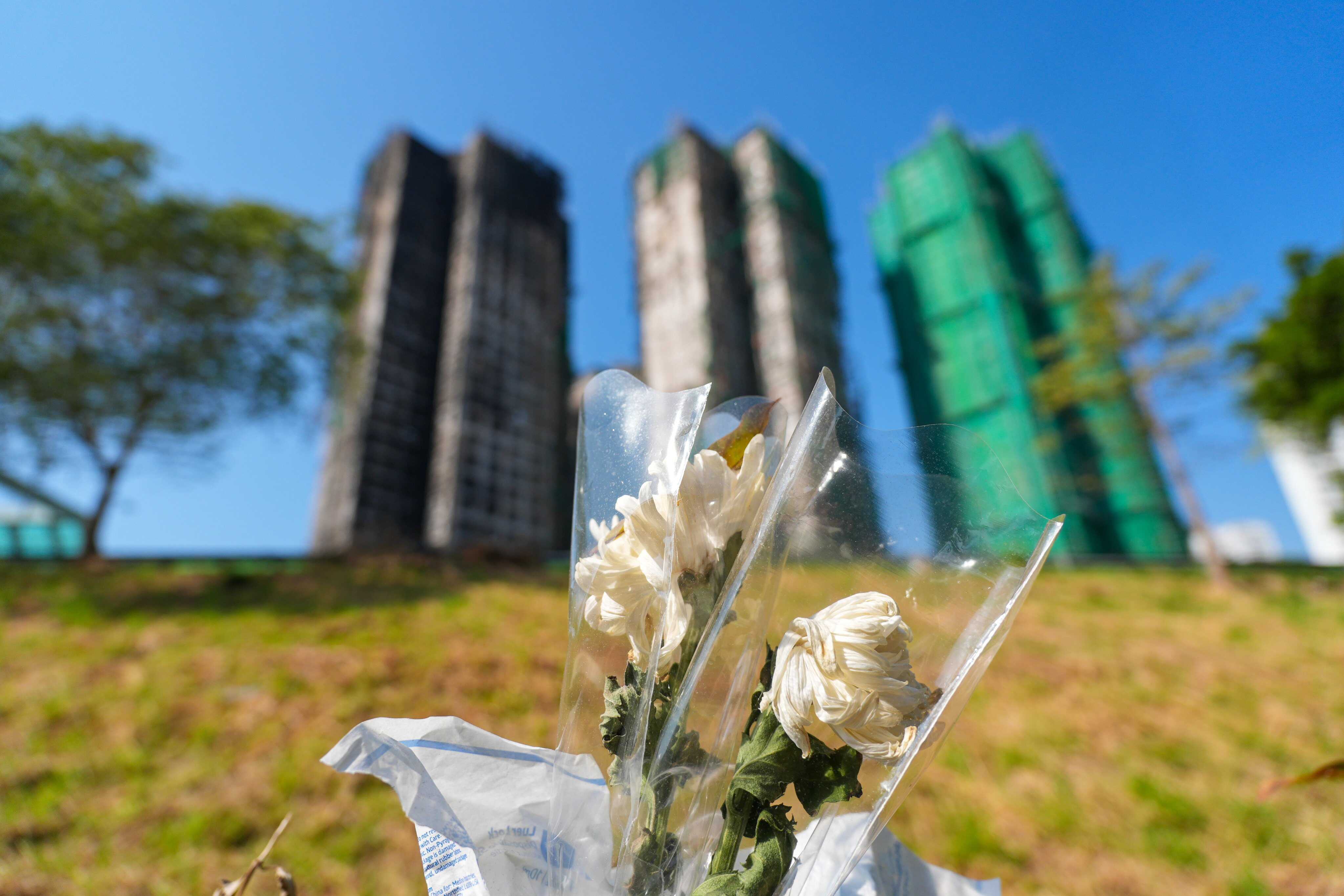
The fire in Tai Po was a terrifying reminder of how quickly disaster can strike. As thick black smoke filled the sky and sirens echoed through the streets, most of us could only watch in fear.
I want to say thank you to the heroes who ran towards the danger: the firefighters of Hong Kong. Your courage is beyond words. You entered burning buildings not knowing what you would face, risking your own lives to save others.
We saw you battling the fierce flames for hours, exhausted but never giving up. You are real-life superheroes, not with capes, but with heavy uniforms, helmets and an unbreakable sense of duty.
I also want to thank the community volunteers who supported the victims, providing water, food and comfort to those who had fled their homes.
You helped the elderly, calmed frightened children and offered a helping hand to anyone in shock. You showed that Hong Kong is not just a concrete jungle but a community of caring hearts.
This incident in Tai Po showed us that true strength is found in service and sacrifice. It reminded us that in our toughest moments, there are always people willing to stand up and help.
Protecting local wildlife
Wong Ka-hei, Pope Paul VI College
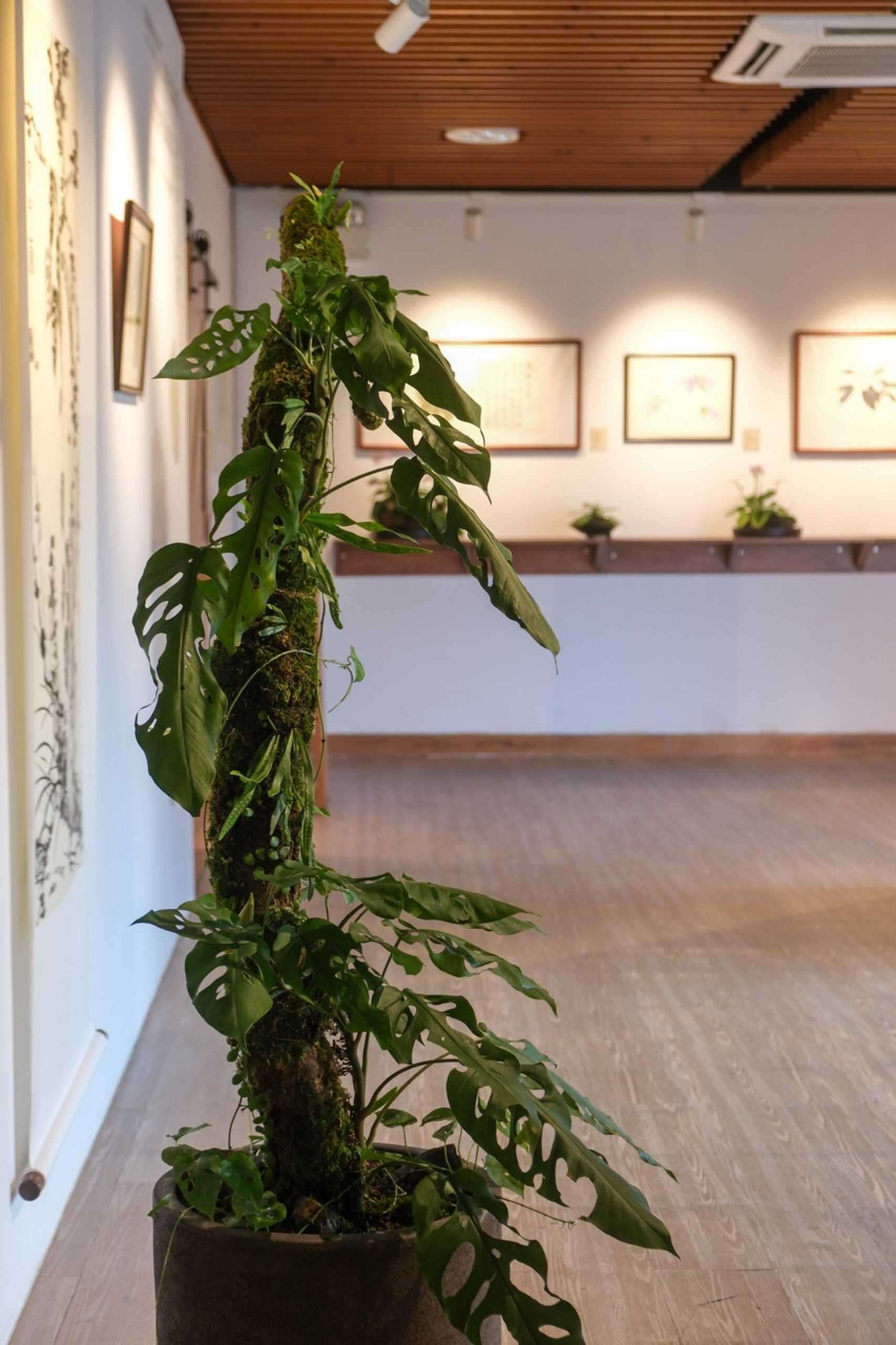
I was captivated by the recent article highlighting the exhibition “Impressions, Expressions – Feeling and Depicting Nature” at the Kadoorie Farm and Botanic Garden. This initiative encourages residents to pause and truly appreciate Hong Kong’s native flora.
In a world increasingly dominated by technology, it is important to reconnect with nature, and this exhibition combines art and science to deepen our understanding of the vital role these plants play in our ecosystem. The emphasis on native species, such as the long-eared dog orchid and Birdwood’s mucuna, not only showcases the unique biodiversity of our region but also raises awareness about the threats these plants face.
Learning more about the city’s plants can foster a desire to protect and conserve them. By immersing ourselves in the beauty and complexity of these species, we can build a stronger, more harmonious relationship between humanity and nature.
Let’s take the time to look around and truly see the wonders of our natural environment.
Beware the claw
Erin Chan, Holy Family Canossian College
In the recent storm of economic downturn, traditional retail stores have been hit the hardest. However, from the ashes of the bleak, battered retail industry, rises a captivating new form of retail – claw machine arcades.
These arcades have popped up in prime locations around the city. They represent a bigger problem: the dangerous shift from modest spending and delayed gratification to spending as little as possible for an instant reward.
In the past, popular forms of entertainment included spending a weekend out of the city or visiting a theme park. But in this belt-tightening era, we have lost motivation and resources to do so.
In contrast, these shops are gimmicky and offer the potential of winning a grand prize with little to no money spent, along with a quick hit of dopamine. This is attractive to teenagers and even to cash-strapped adults.
We have all been tempted to “claw” our way to victory by those bright flashing lights and even brighter promises of leaving with the grand prize.
Nevertheless, I have concerns about whether this phenomenon is simply a flash in the pan or a deserving staple of entertainment in this belt-tightening era – and I hope the public will too.
Unity amid tragedy
Phoenix Lau Wai-ki, Pope Paul VI College
I was deeply moved after reading your recent article, “Hong Kong students step up to help Tai Po fire victims: ‘united’.” At a time when the world often seems divided and apathetic, it is inspiring and heartwarming to see young people in Hong Kong demonstrating such compassion, unity and initiative in the face of tragedy.
The fire in Tai Po was a devastating event that left many families displaced and traumatised. In the aftermath, the swift and sincere response from student volunteers speaks volumes about the character and values of Hong Kong’s youth.
Their efforts – from organising donation drives to distributing essential supplies – show that age is no barrier to making a meaningful impact. It is encouraging to see students step outside their classrooms to engage with real-world issues and support their community in times of crisis.
What stands out most is the sense of solidarity reflected in this initiative. These students are not just helping victims; they are reminding us what it means to be part of a community. They are showing empathy in action.
Their teamwork and selflessness prove that even small acts of kindness can ripple outwards to bring hope and healing.