Deep Dive delves into hot issues in Hong Kong and mainland China. Our easy-to-read articles provide context to grasp what’s happening, while our questions help you craft informed responses. Check sample answers at the end of the page.
News: Hong Kong’s new law on subdivided flats
-
The new Basic Housing Units Ordinance aims to ensure that subdivided flats meet minimum standards
-
Some residents of subdivided flats are at risk of eviction under the new law
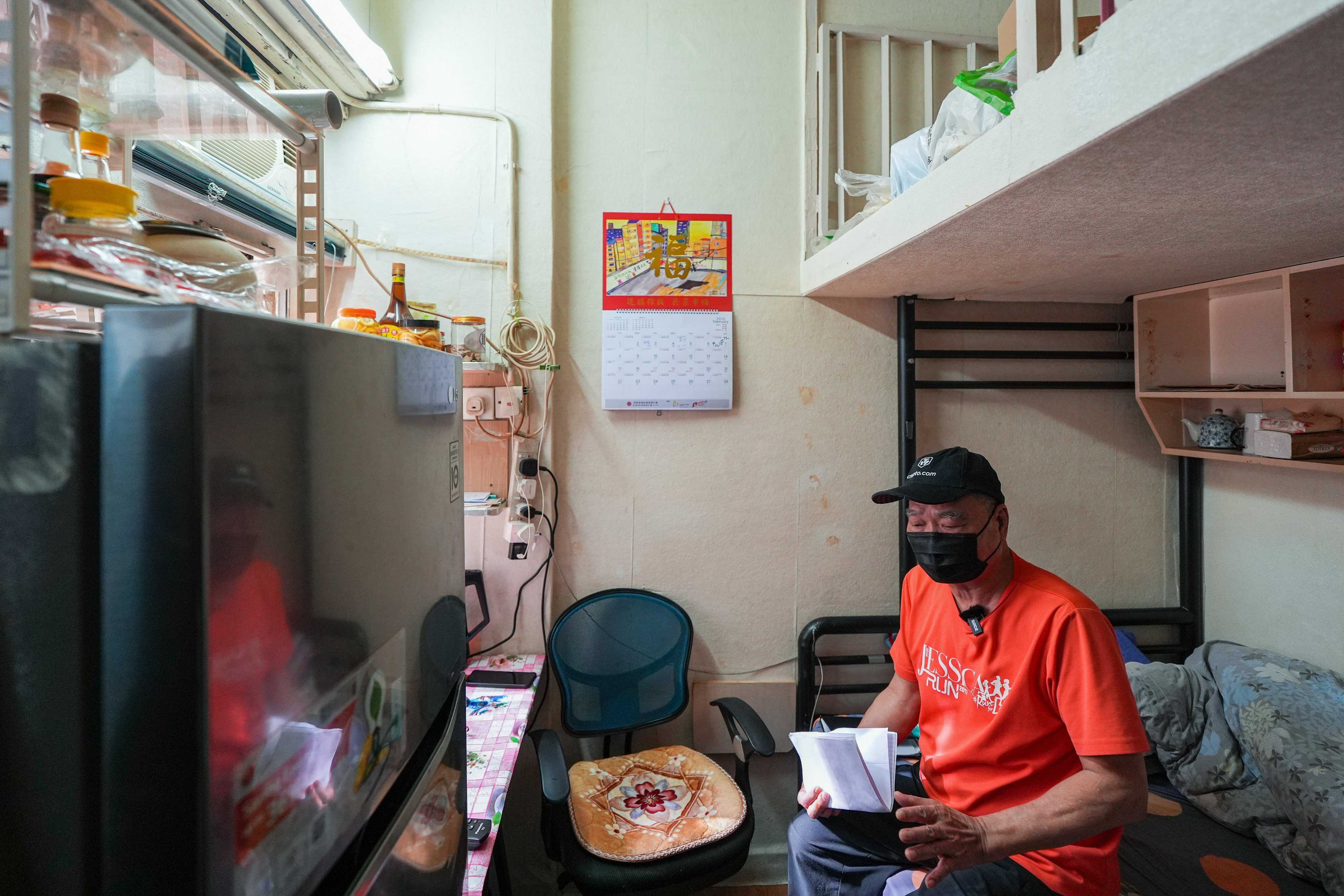
Chan Sai-chiu lives on a fixed income. He receives approximately HK$5,000 in social security benefits and a HK$2,500 rental subsidy. His 60 sq ft subdivided flat, which costs HK$3,000 (US$383) in rent, fits the 72-year-old’s tight budget.
However, Chan was caught off guard last December when the landlords of Yee Wa Building in Sham Shui Po gave more than 200 households three months’ notice to vacate. The decision was prompted by renovation plans to ensure the properties complied with the Basic Housing Units Ordinance, which took effect on March 1.
It mandates that subdivided homes meet minimum standards and must be certified by building professionals to be legally leased. Certificates must be renewed every five years.
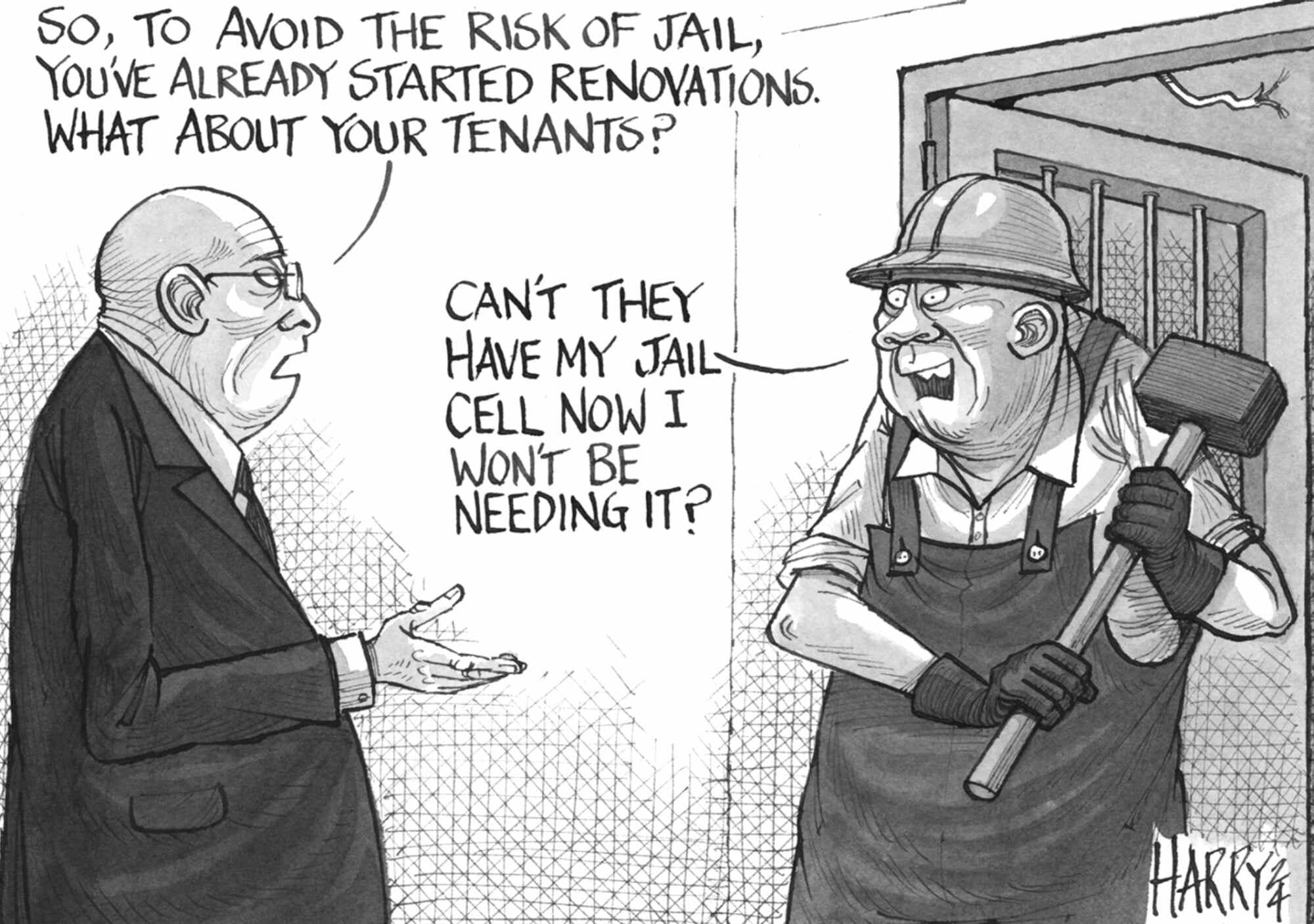
Landlords can apply for certification or register for a one-year grace period. This gives them time to complete the changes while still legally leasing their properties. Those who do not comply could face a maximum fine of HK$300,000 (US$38,343) and up to three years in prison.
As of March 11, only one landlord in Hong Kong had applied for certification approval. Authorities reported that applications for a grace period had been submitted for more than 1,100 subdivided flats.
“Under the new law, unless the government has accommodation arrangements for tenants, there will be evictions forever,” Chan said.
As the ordinance takes effect, advocates and professionals have called for ensuring a stable supply of temporary accommodation for subdivided housing tenants likely to be uprooted.
The Housing Bureau sent an NGO to help Chan and other tenants of his building after news of the evictions made headlines.
According to the bureau, as of late February, among the 138 households it had contacted, 43 had applied for transitional flats. Ten had moved to light public housing. Thirty-nine households had been approved to stay at a nearby hostel with single-person rooms.
But Chan said it was inconvenient to move to transitional housing in the New Territories. He did not want to share a kitchen with other tenants in a nearby hostel.
There are currently about 220,000 residents living in subdivided homes. An earlier government survey estimated that around 33,000 subdivided flats – 30 per cent of the city’s total – would require significant fixes before they could be deemed basic housing units.
Staff writers
Question prompts
1. Which of the following statements is false, according to the information in the news?
(1) The certification for subdivided flats must be renewed every five years.
(2) The landlords of Yee Wa Building gave over 200 households six months to move out.
(3) Hong Kong has approximately 33,000 subdivided flats, which account for less than one-third of the total homes in the city.
(4) Of the Yee Wa Building residents contacted by the Housing Bureau, less than half had applied for transitional flats.
A. (1), (2) only
B. (2), (3) only
C. (2), (4) only
D. (3), (4) only
2. Why were Chan and other residents of his building asked to move out?
3. Based on Chan’s situation, what problems might other residents of subdivided flats also be facing? Explain your answer using the news and your own knowledge.
Cartoon
Question prompts
1. According to the news, what punishment could landlords face if their subdivided homes fail to meet the government’s minimum standards?
2. What does this cartoon reveal about the effects of the Basic Housing Units Ordinance on tenants living in subdivided flats?
Glossary
Basic Housing Units Ordinance: a new law outlining minimum requirements for subdivided flats, stating they must be at least 86 sq ft, have a proper window and come with an individual toilet
grace period: a designated period during which a person can postpone an action without penalty
transitional flats: a government-supported programme that offers temporary housing for low-income families living in substandard conditions
light public housing: a scheme introduced in 2022 to fill the short-term gap in the public housing supply by providing temporary flats. It mainly caters to those who have waited at least three years for a permanent rental home, with priority given to families.