Deep Dive delves into hot issues in Hong Kong and mainland China. Our easy-to-read articles provide context to grasp what’s happening, while our questions help you craft informed responses. Check sample answers at the end of the page.
News: ESF among 8 international school operators that failed to meet non-local student targets
-
Non-local enrolment at some schools dropped to as low as 39 per cent
-
Required targets are between 50 to 98 per cent
Eight international school operators in Hong Kong, including the largest group, did not admit enough non-local students this academic year. This means they did not meet their commitments to the government.
The Education Bureau told the South China Morning Post that the proportion of non-local students at some of the schools had fallen to as low as 39 per cent this academic year.
The threshold for non-local students at international schools ranges from 50 to 98 per cent of the total student numbers.
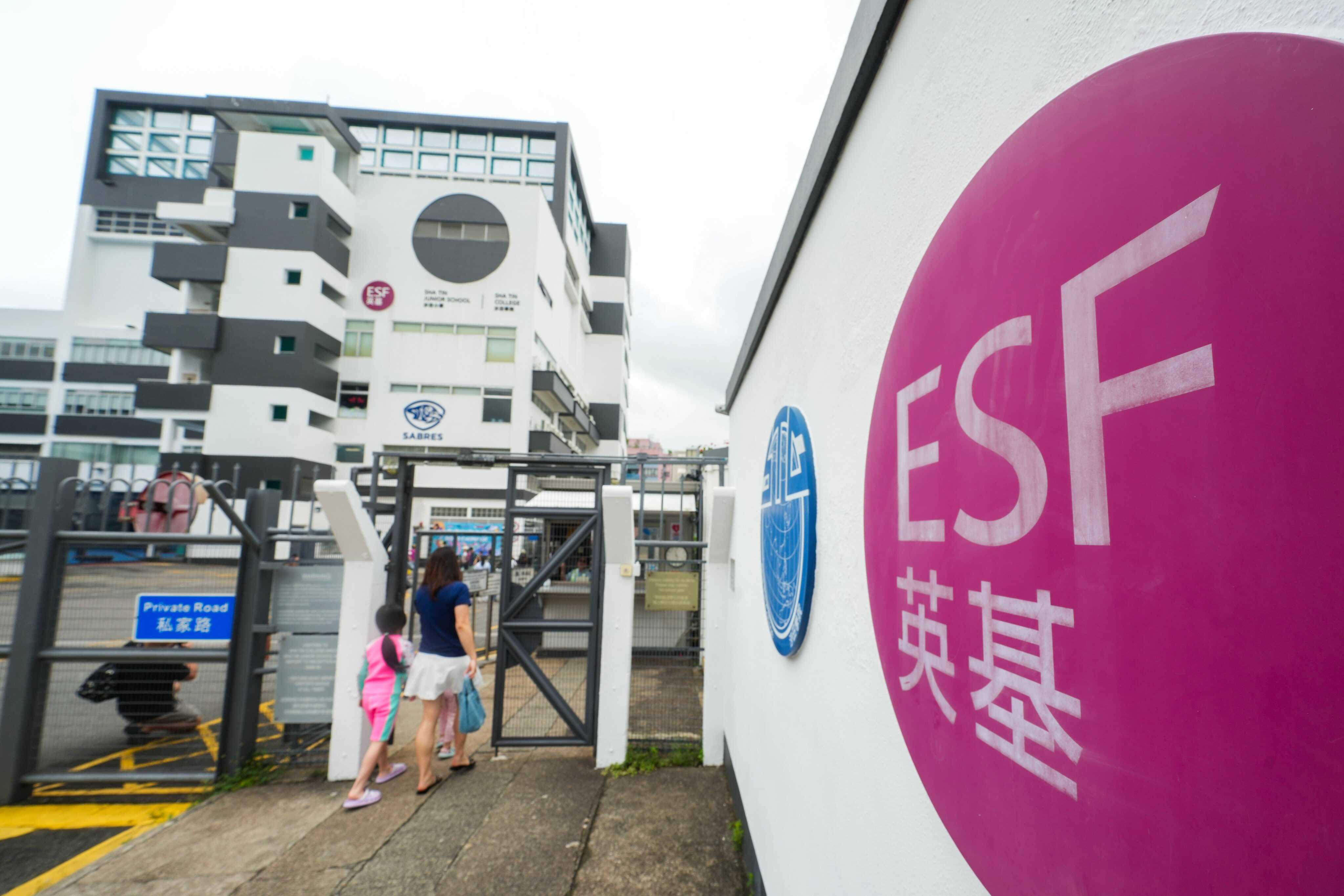
Seven international schools and the English Schools Foundation (ESF) failed to meet government admission requirements this year. Last year, five schools did not meet the threshold.
The ESF said it had been increasing the proportion of non-local passport holders since the end of the Covid-19 pandemic.
During that period, international schools were allowed to admit more local students. But the ESF noted it might take several years to return to mandated levels.
The ESF runs 12 primary schools and eight secondary schools in Hong Kong.
According to official data from the bureau, 44,745 students are enrolled in international schools for the 2025-26 academic year.
Among them are a record 15,142 local pupils, accounting for 34 per cent of the total and nearly double the 7,713 local pupils recorded in 2016-17, when they made up 20 per cent of the student body.
The current proportion of local students is the fourth-highest in the past decade.
The peak of 34.9 per cent occurred in 2023-24, reflecting admission cycles that began a year earlier while the pandemic was still affecting the city.
Conversely, the number of non-local students has declined slightly over the past decade, from 30,044 in 2016-17 to 29,603 in 2025-26.
During this period, their share of the student body fell from 80 per cent to 66 per cent.
International schools are required to cater to demand from non-local families living in Hong Kong or relocating to the city for work or investment.
Many of these institutions are bound by service agreements with the government that set out rules for their student mix.
Staff writers
Question prompts
1. Which of the following statements about Hong Kong’s international schools is false, according to the information in the news?
(1) The number of non-local students has seen a slight decrease over the last decade.
(2) Local student enrollment has nearly doubled since the 2018-19 school year.
(3) Eight operators fell short of their targets of local students.
(4) The highest proportion of local students in international schools occurred in 2023-24.
A. (1), (2) only
B. (1), (3) only
C. (2), (3) only
D. (3), (4) only
2. Why do you think the government allowed international schools to admit more local students during the pandemic?
3. Why did the ESF fail to meet its mandated non-local student targets after the pandemic? Explain using the news and glossary.
Chart
Question prompts
1. Based on the chart, how has the percentage of local students in Hong Kong’s international schools changed from the 2016-17 academic year to the 2025-26 academic year?
2. If international schools were allowed to admit more local students during the pandemic, why would it then be difficult to return their proportions back to what they were before 2020?
Glossary
English Schools Foundation: the largest provider of English-medium international education in Hong Kong, operating 22 schools. Established in 1967, the group follows the International Baccalaureate curriculum.
non-local passport holders: students who hold a foreign passport or have the right of abode in a place other than China or Hong Kong.
rules for their student mix: requirements designed to ensure there are enough spaces for expatriate families in Hong Kong’s international schools. In 2007, the rule mandated that international schools enrol at least 50 per cent non-local students. This was revised in 2009 to 70 per cent. However, the government has permitted certain international schools to enrol 50 per cent non-local students under specific previous arrangements.
Sample answers
News
1. C
2. During the pandemic, it was challenging for non-locals to travel to Hong Kong due to various restrictions and quarantine requirements. Many non-locals also chose to leave the city to be closer to their families abroad. (accept all reasonable answers)
3. The English Schools Foundation did not meet its mandated targets mainly due to the ongoing effects of pandemic-era policies that permitted a higher intake of local students.
Chart
1. Between the 2016-17 and 2025-26 academic years, the proportion of local students in Hong Kong’s international schools rose from 20 per cent to 34 per cent. This marks a significant 14-percentage-point increase in the share of local students in total enrolment over the decade. This trend reflects the growing preference among local families for international curricula.
2. The shift in student demographics has complicated compliance with government mandates, creating a long-term “bottleneck” in the school system. During the pandemic, schools were permitted to admit more local students to fill vacancies left by departing expatriates. However, since these local students remain in the system for their entire primary or secondary education, schools cannot quickly replace them with non-local applicants. This structural lag, combined with a slight decline in the overall number of non-local students in the city, makes it mathematically challenging for school operators to meet high non-local enrolment targets, even when they prioritise international applications. (accept all reasonable answers)