Deep Dive delves into hot issues in Hong Kong and mainland China. Our easy-to-read articles provide context to grasp what’s happening, while our questions help you craft informed responses. Check sample answers at the end of the page.
News: Hongkongers head to Shenzhen’s new cultural hotspots
-
Short cross-border getaways emerging as a ‘quick escape’ for Hongkongers
-
Experts say Hong Kong risks losing status as more people prefer budget-friendly mainland attractions
Last month, Hongkonger Dominique Li and his wife spent two days in Shenzhen in mainland China. They wanted to soak up the cultural vibe. They said this getaway would not be their last.
The 45-year-old engineer lives in Tin Shui Wai in the northwestern New Territories. He was particularly drawn to a new landmark, Shenzhen Bay Culture Square.
He treated his visit to Shenzhen like a trip to Hong Kong’s Causeway Bay shopping district. It takes about an hour to travel to each destination.
“The spaces here are bigger, and there’s more choice. If you want high-end consumption, you can find it,” Li said. “But there are also lots of cafes and more relaxed places where people can just sit and spend time.”
“It feels like there are always new things opening, so it gives you a reason to come back again,” he added.
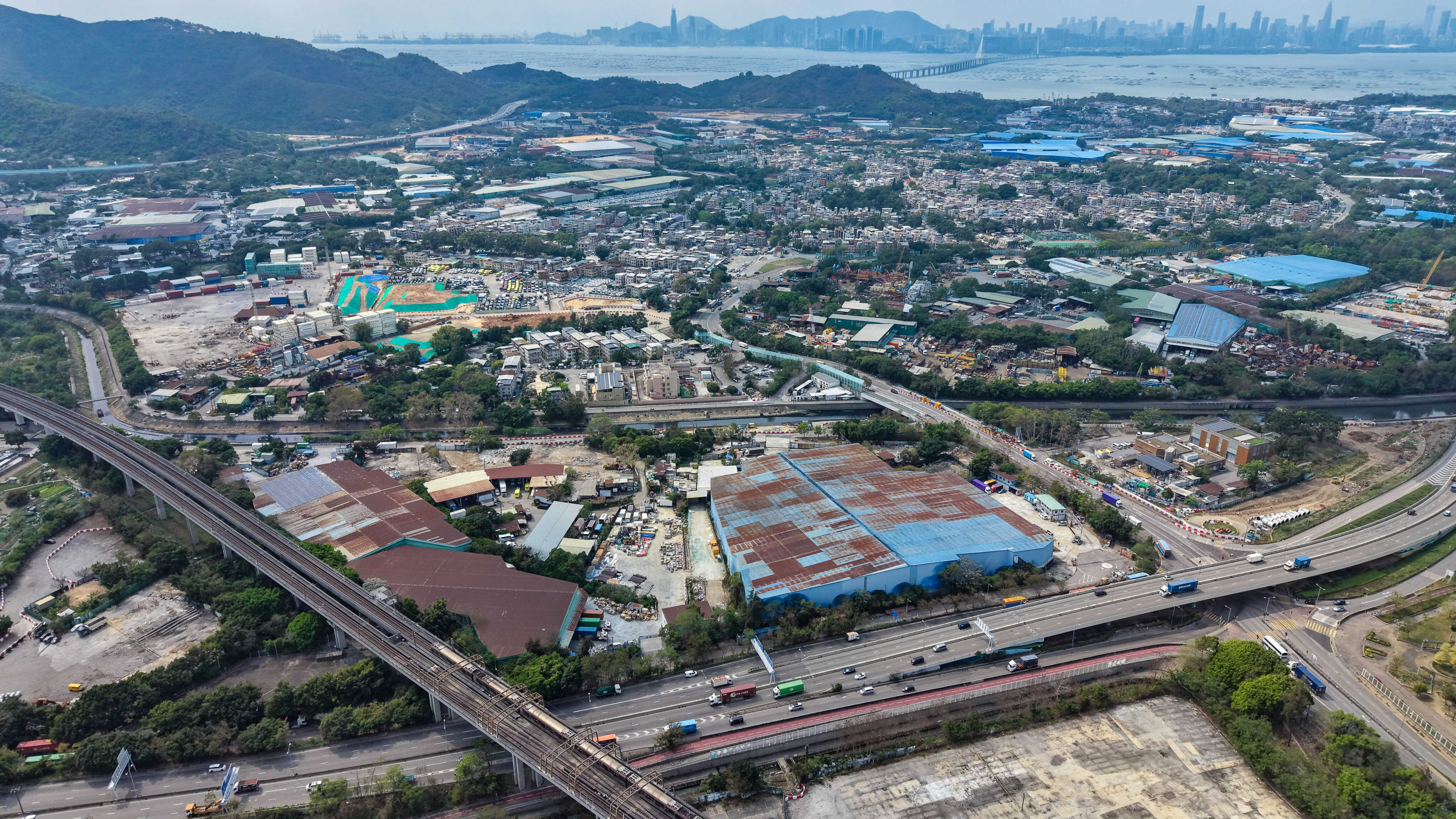
The couple are among the many Hongkongers drawn to Shenzhen because of its new, convenient and more economical offerings.
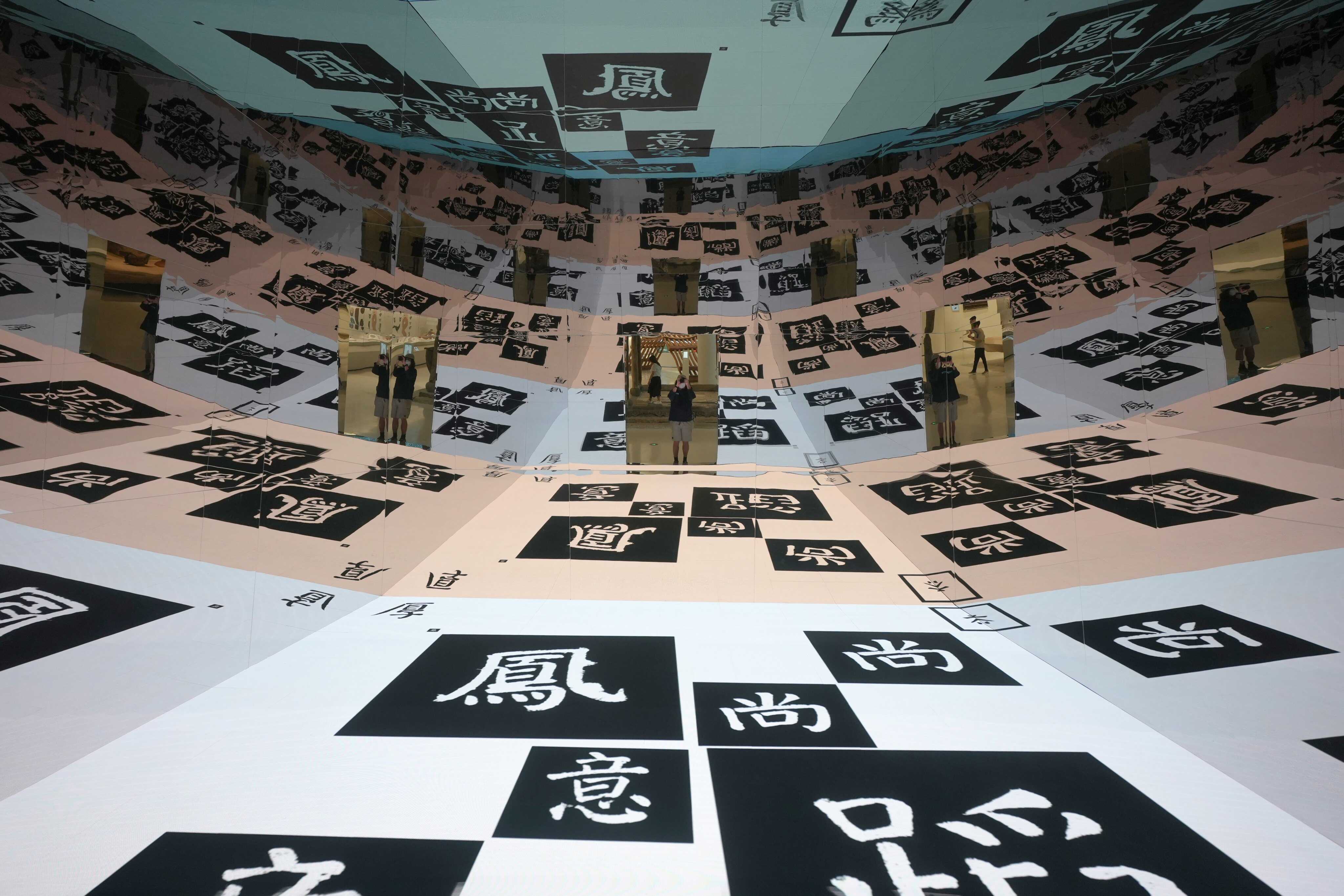
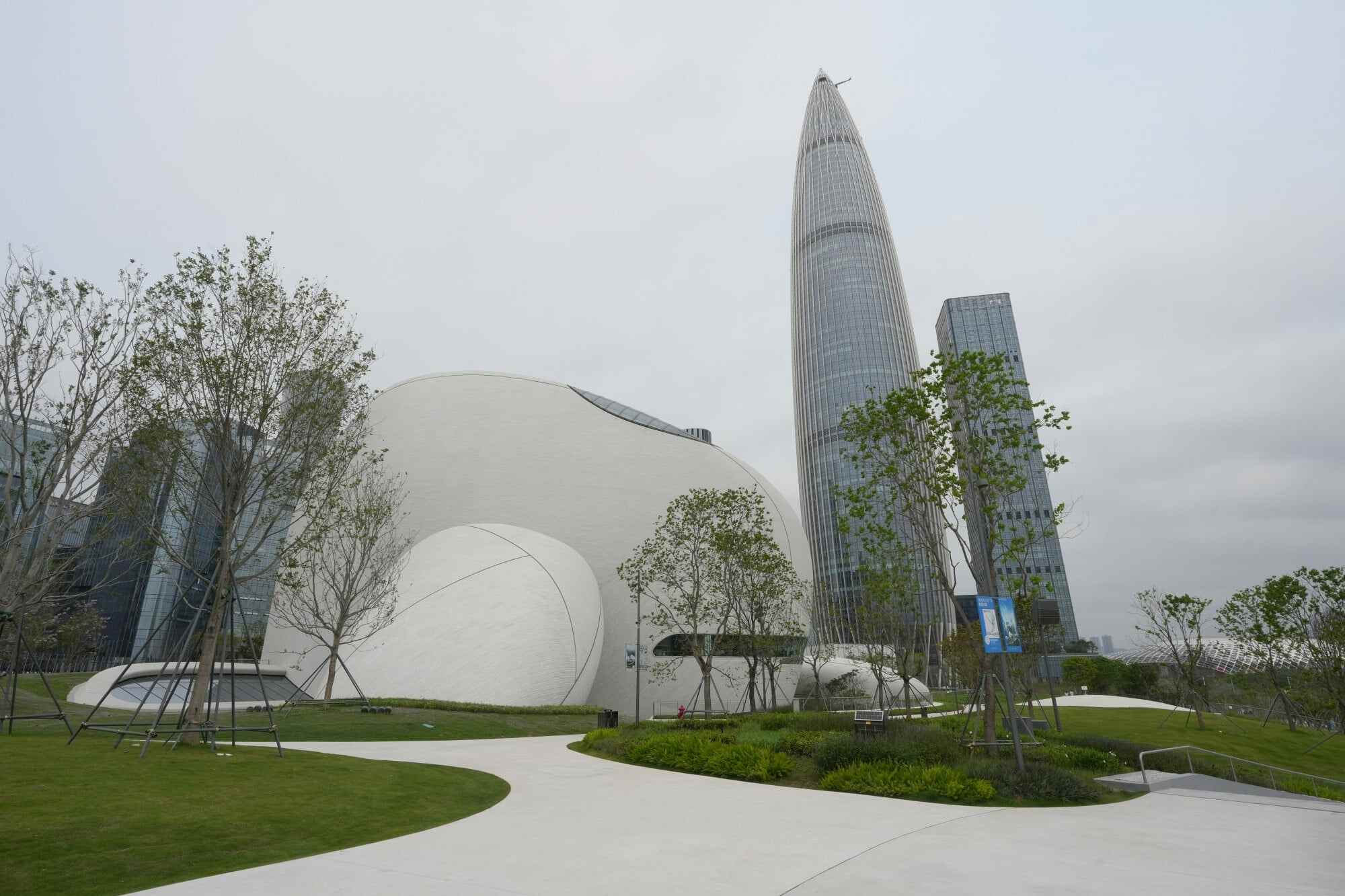
Shenzhen Bay Culture Square is a 20-minute walk from the Shenzhen Bay border checkpoint. It is a huge complex that combines indoor spaces with lush, green grounds.
The complex is part of a broader push by Shenzhen to expand its cultural infrastructure since 2018. Ten major facilities are planned across the city.
Experts warn that Hong Kong must leverage its international status and unique events to counter the mainland city’s booming, budget-friendly attractions.
In the first four days of Easter, Hongkongers made 2.12 million passenger trips out of the city. This was 14.3 per cent more than in the same period last year. Over the four days, mainland visitors made 411,972 passenger trips to Hong Kong, a 16.13 per cent increase.
Timothy Chui Ting-pong is the executive director of the Hong Kong Tourism Association. He explained why Hongkongers were drawn to Shenzhen.
“The two cities complement each other, like Tokyo and Yokohama in Japan,” he said. “In Hong Kong, pop concerts, New Year countdowns, Disneyland, and events like the Rugby Sevens at Kai Tak Sport Park will also be part of life for Shenzhen residents.”
With a population of 20 million, Shenzhen's events tended to be more locally focused, Chui explained.
Meanwhile, Hong Kong has been positioned as a centre for international cultural exchange. Events in Hong Kong must also cater to overseas visitors.
This framing could prevent competition between the two cities, Chui said.
Staff writers
Question prompts
1. Which of the following statements are false, according to the information in the news?
(1) Experts say that Hong Kong needs to work harder to maintain its competitiveness with mainland tourist destinations.
(2) Li and his family will not consider going to Shenzhen again after their recent visit.
(3) Many Hongkongers travel across the border during long holidays like Easter.
(4) Shenzhen residents do not find Hong Kong an appealing tourist attraction.
A. (1), (2) only
B. (1), (3) only
C. (2), (4) only
D. (3), (4) only
2. List TWO reasons Hongkongers are eager to visit Shenzhen during long holidays.
3. How do Hong Kong and Shenzhen “complement each other” according to Timothy Chui Ting-pong? Explain using the news, glossary and your own knowledge
Illustration
Question prompts
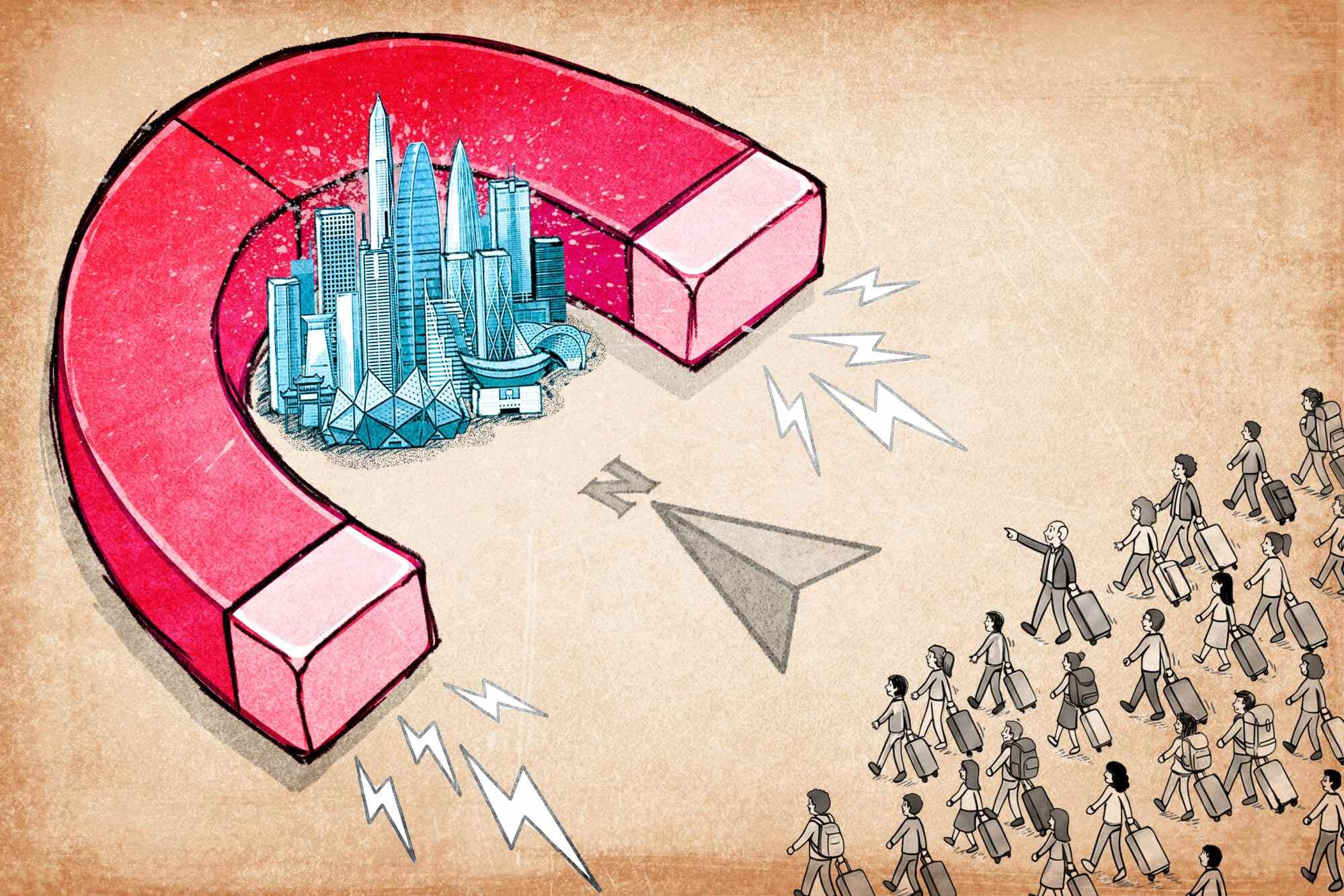
1. What does the magnet represent, and where is the crowd coming from? How does this relate to the news?
2. Why is the crowd “heading north” towards Shenzhen, and how does this illustration represent the shift in Hongkongers’ spending habits?
Glossary
-
Shenzhen Bay Culture Square: a 188,000-square-metre landmark in the Houhai area of Nanshan District that officially opened in late 2025. It acts as an open, seaside cultural hub integrating nine specialised galleries, an open-air theatre and commercial spaces.
-
high-end consumption: the purchase of goods and services that exceed basic needs, characterised by superior quality, high pricing and social status signalling
-
cultural infrastructure: the physical facilities and organisational systems, such as theatres and galleries, that support a community’s artistic and social life
Sample answers
News
-
C
-
Hongkongers are drawn to Shenzhen because the city offers larger spaces and more variety in terms of consumption, ranging from high-end shopping to relaxed cafes. Additionally, the city’s attractions are often more budget-friendly and convenient to access, providing a sense of novelty with “new things opening” constantly.
-
Timothy Chui Ting-pong suggests the two cities function like Tokyo and Yokohama, where their different strengths create a symbiotic relationship rather than direct competition. Shenzhen focuses on “locally focused” amenities, newer infrastructure, and affordable leisure options that serve as a convenient getaway for Hongkongers. Meanwhile, Hong Kong leverages its international status to host global events such as the Rugby Sevens and major pop concerts that draw Shenzhen residents. This positioning allows Shenzhen to act as a hub for regional lifestyle and Hong Kong to serve as a centre for international cultural exchange, effectively balancing the needs of both populations. (Other possible answers are accepted)
Illustration
-
The magnet represents Shenzhen’s cultural attractions; The crowd comes from Hong Kong.
-
The illustration serves as a visual metaphor for the “northbound consumption” phenomenon, depicting an economic shift in which Shenzhen has become the primary centre of attraction for Hong Kong residents. The magnet represents powerful pull factors, such as significantly lower prices, expansive retail spaces, and a constant influx of new cultural landmarks, that contrast sharply with Hong Kong’s high-density, high-cost environment. This force draws a steady stream of “spending leakage” across the border, as evidenced by the crowd moving toward the mainland. By showing the crowd in transit, it highlights a structural change in habits where the border is no longer a barrier but a routine gateway to lifestyle experiences. Ultimately, it suggests that Hong Kong is losing its status as the sole shopping paradise for its own people, as residents increasingly favour Shenzhen’s booming, budget-friendly appeal.