Content provided by the British Council
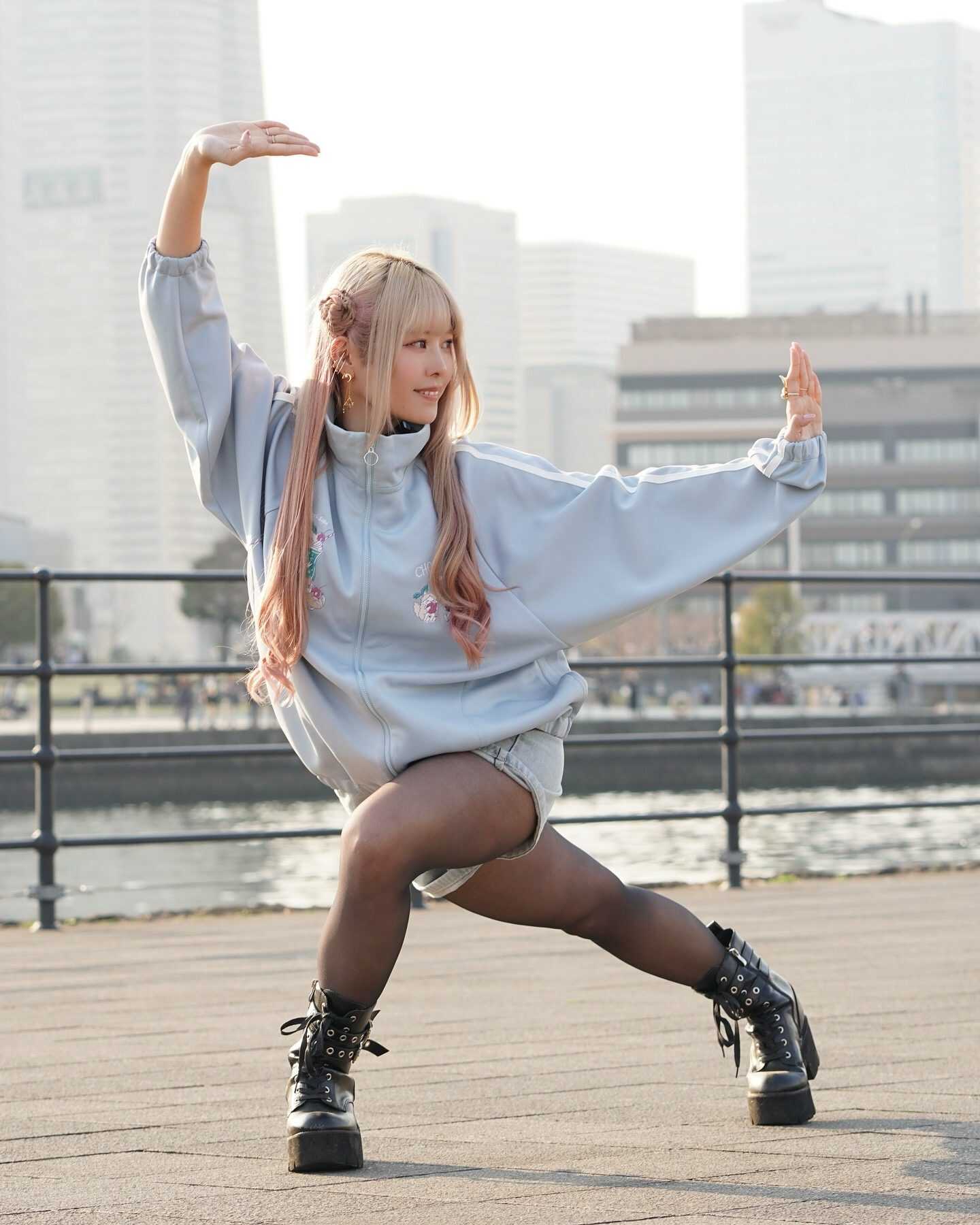
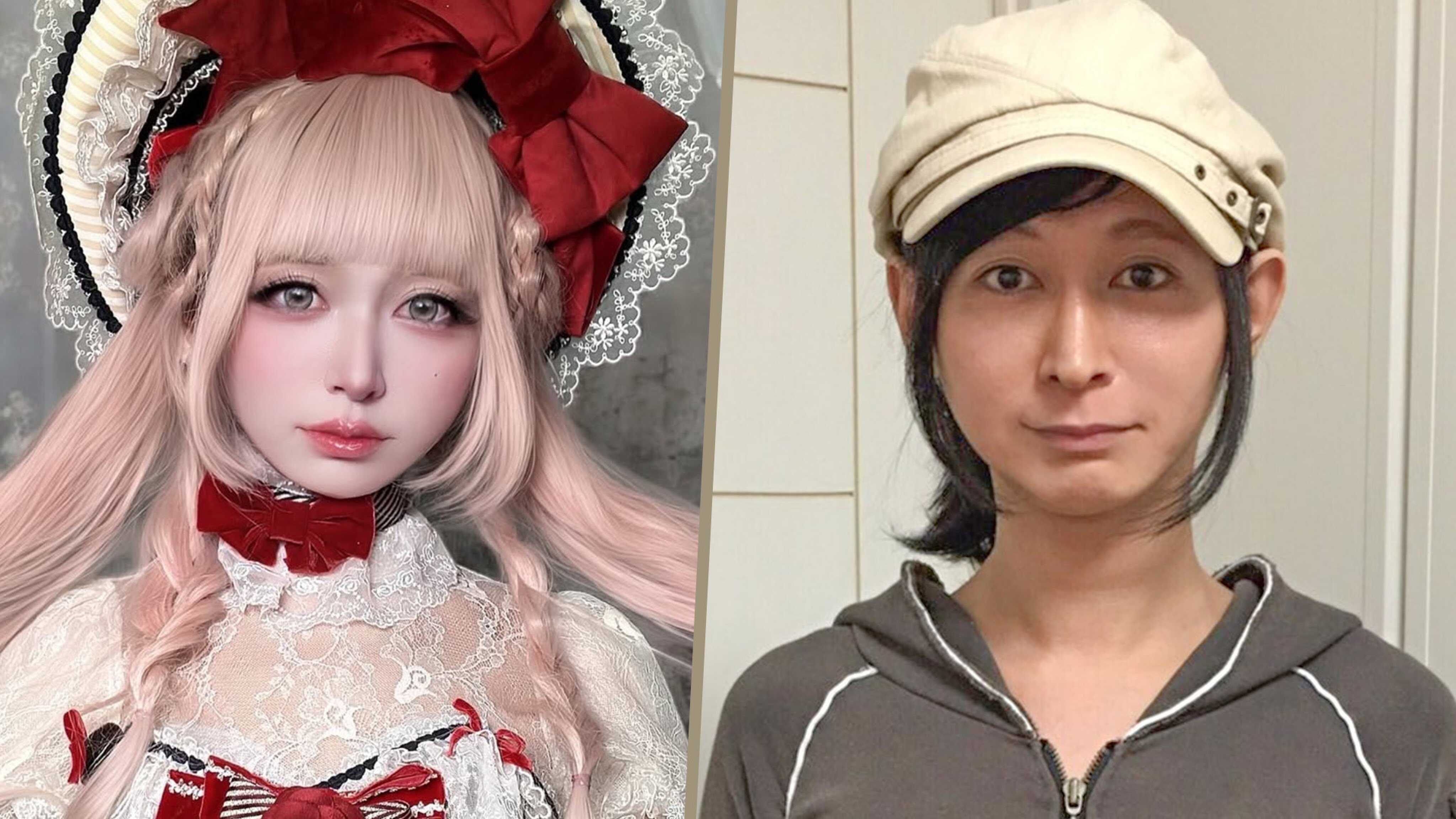
[1] A Lolita-style singer and father of two in Japan believes dressing up in feminine clothes makes his music softer. Takuma Tani, 47, is known for his outfits and vocals. He has more than 20,000 followers on social media.
[2] Lolita fashion is a style of dress that originated in Japan in the 1990s. It is inspired by Victorian and Rococo styles. Tani started learning piano at the age of three and later studied vocal performance in Liverpool, England. After returning to Japan, he became a vocal coach.
[3] Tani was the lead singer, songwriter and composer of the band Jikkendai Marmot. It was formed in Tokyo in 2005. He first encountered Lolita fashion when he was 34. He was working as a part-time model.
[4] Once, when a female model cancelled, Tani was asked to step in and wear a Lolita dress. He was hesitant, feeling it was inappropriate for a man and father to wear women’s clothing, but agreed. Tani looked so striking that staff said he appeared “even better on camera than a female model”.
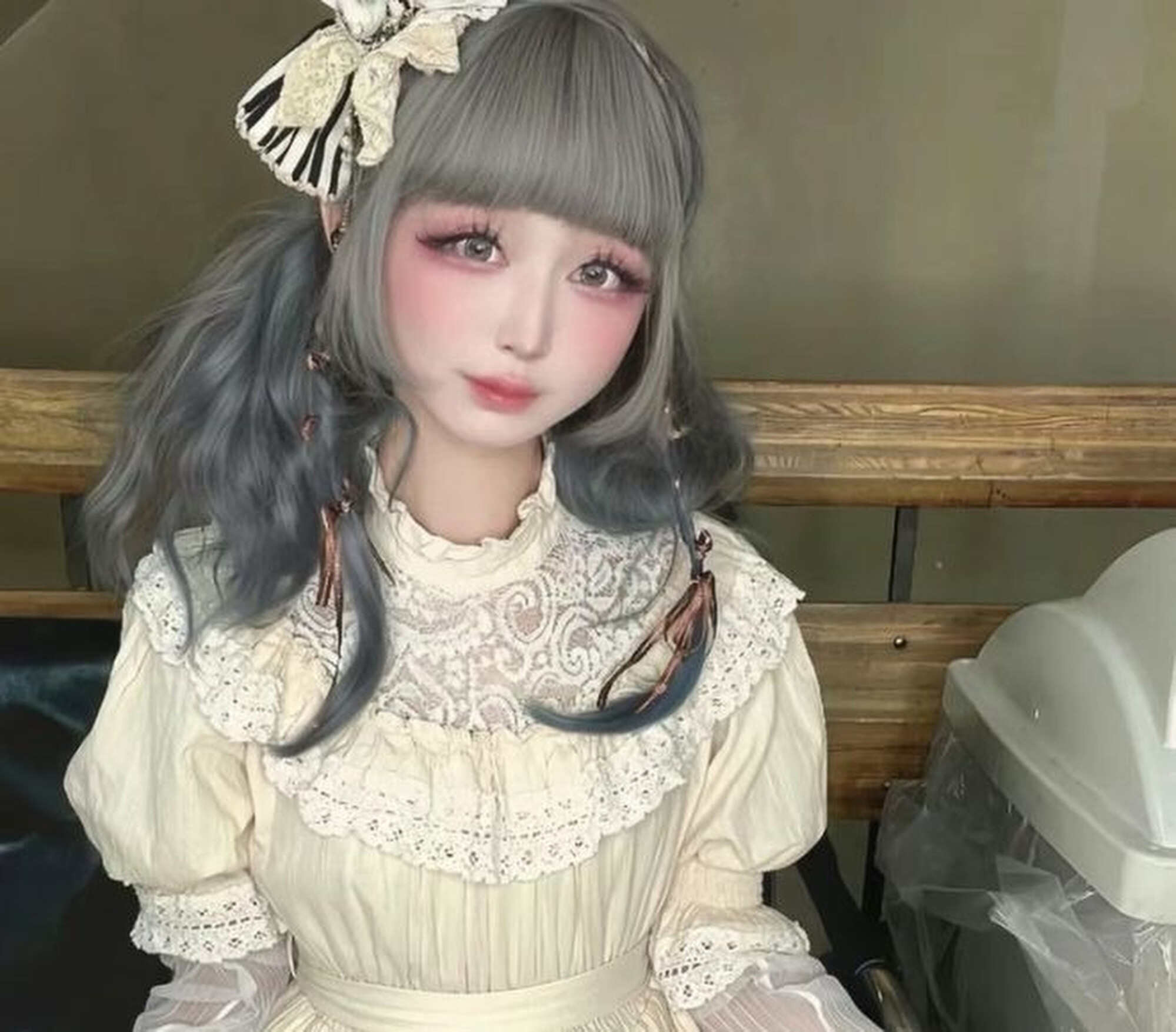
[5] According to Japanese media, Tani has always been petite and hoped he could look more masculine. But it was not until he wore a Lolita dress that he found real confidence. “My petite body, delicate features and soft temperament all became my greatest strengths,” he said.
[6] Tani’s early music leaned towards traditional rock. After embracing Lolita dresses, his music became softer and more expressive. “I found it easier to write songs about emotions, to express love and gentleness,” he said.
[7] One of Tani’s anime music cover versions has racked up more than 50,000 views on social media. One comment reads: “I was stunned by your beautiful appearance and voice. Even though I can tell it is falsetto, your singing is still powerful and moving.” Tani’s mother even helps him pick out dresses. She has told him to “do whatever you want.”
[8] But his lifestyle has not come without challenges. He once faced sexual harassment on the underground by someone who mistook him for a girl. He always opts for multi-gender bathrooms to avoid misunderstandings.
Source: South China Morning Post, June 8