Content provided by British Council
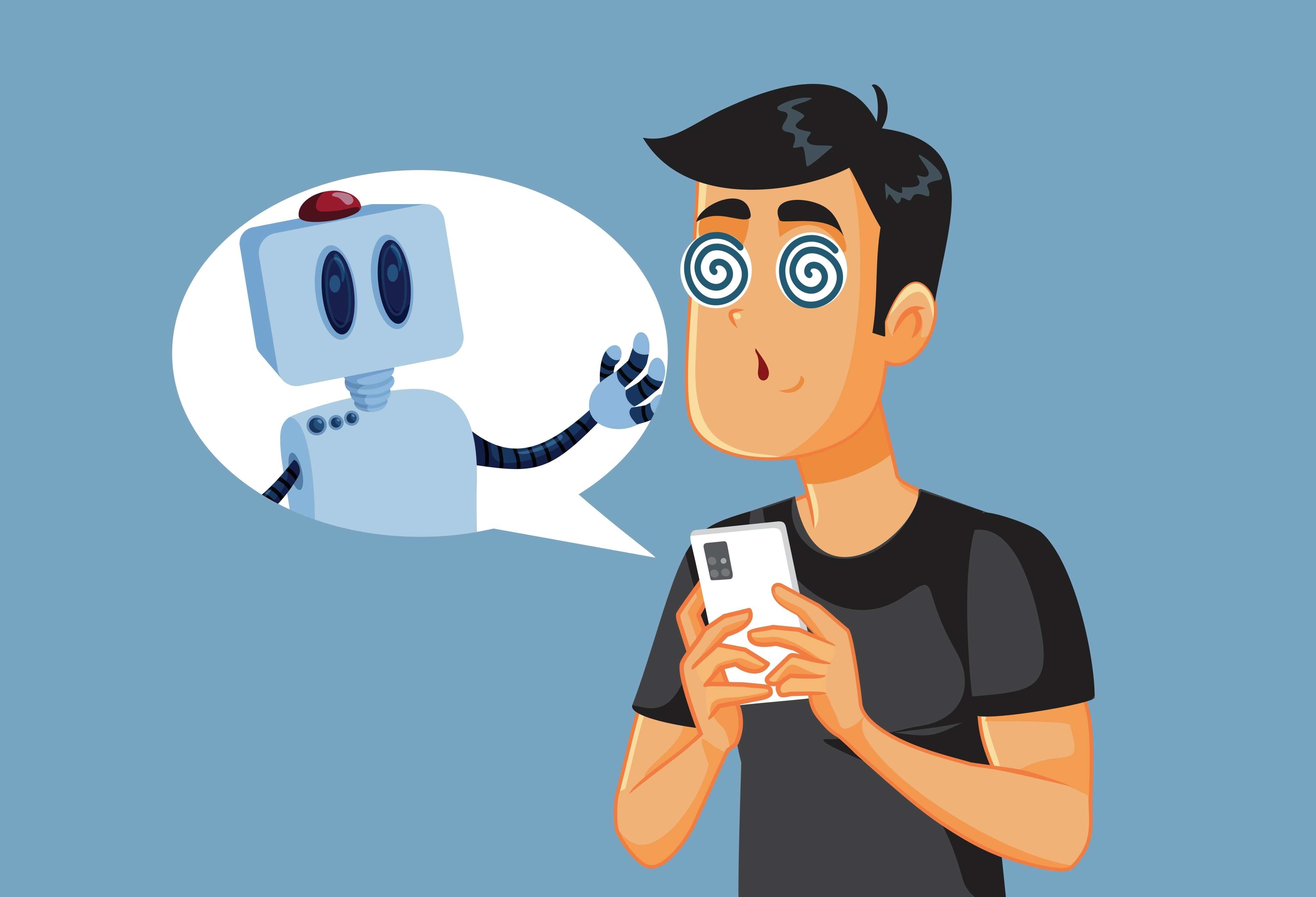
[1] About 40 per cent of young people in England turn to artificial intelligence for advice, support or company, despite many wanting more real-life connections. This was shown in a YouGov poll published last month. Of those seeking out AI, nearly 20 per cent said they did so because it was easier than talking to a human. One in 10 said they didn’t have anyone else to talk to, according to the research.
[2] But just 6 per cent who spoke to online chatbots trusted them more than they did a real person, the research showed. This shows an awareness that AI can lean towards telling users what they want to hear. The annual report has been commissioned by youth charity OnSide since 2022. It aims to identify how young people spend their free time and comes amid concern over the impact of AI on young people.
[3] This year’s study surveyed about 5,000 people aged 11 to 18. It included questions about AI for the first time, a spokesperson for the charity said. Other patterns have continued alongside AI use.
[4] Some 76 per cent of young people spend most of their free time on screens – a figure that has remained steady since 2023. Almost half – 48 per cent – spend most of their free time in their bedrooms, and almost a fifth – 18 per cent – spend most of their free time alone, the report said. “It’s clear that the interlinked issues of loneliness, digital dependence and isolation have become entrenched in young people’s lives,” said Jamie Masraff, chief executive of OnSide.
[5] The research reveals a paradox in which only 14 per cent spent free time with friends in person, even though 49 per cent said time with friends in real life allowed them to feel most connected. “With so few real-life spaces for young people to meet, socialise and belong, we can’t blame them for turning to tech to fill that void,” Masraff added.
Source: Agence France-Presse, November 19