AI-powered tools have skyrocketed in popularity, used for everything from automating tasks to generating essays and even serving as a confidante. The tools and chatbots appear practical and convenient for everyday people while also advancing healthcare and scientific research.
But while many view artificial intelligence as harmless, its development has not been without its fair share of scandals and ethical concerns. Here are five recent controversies related to AI from this year.
British musicians protest UK copyright law
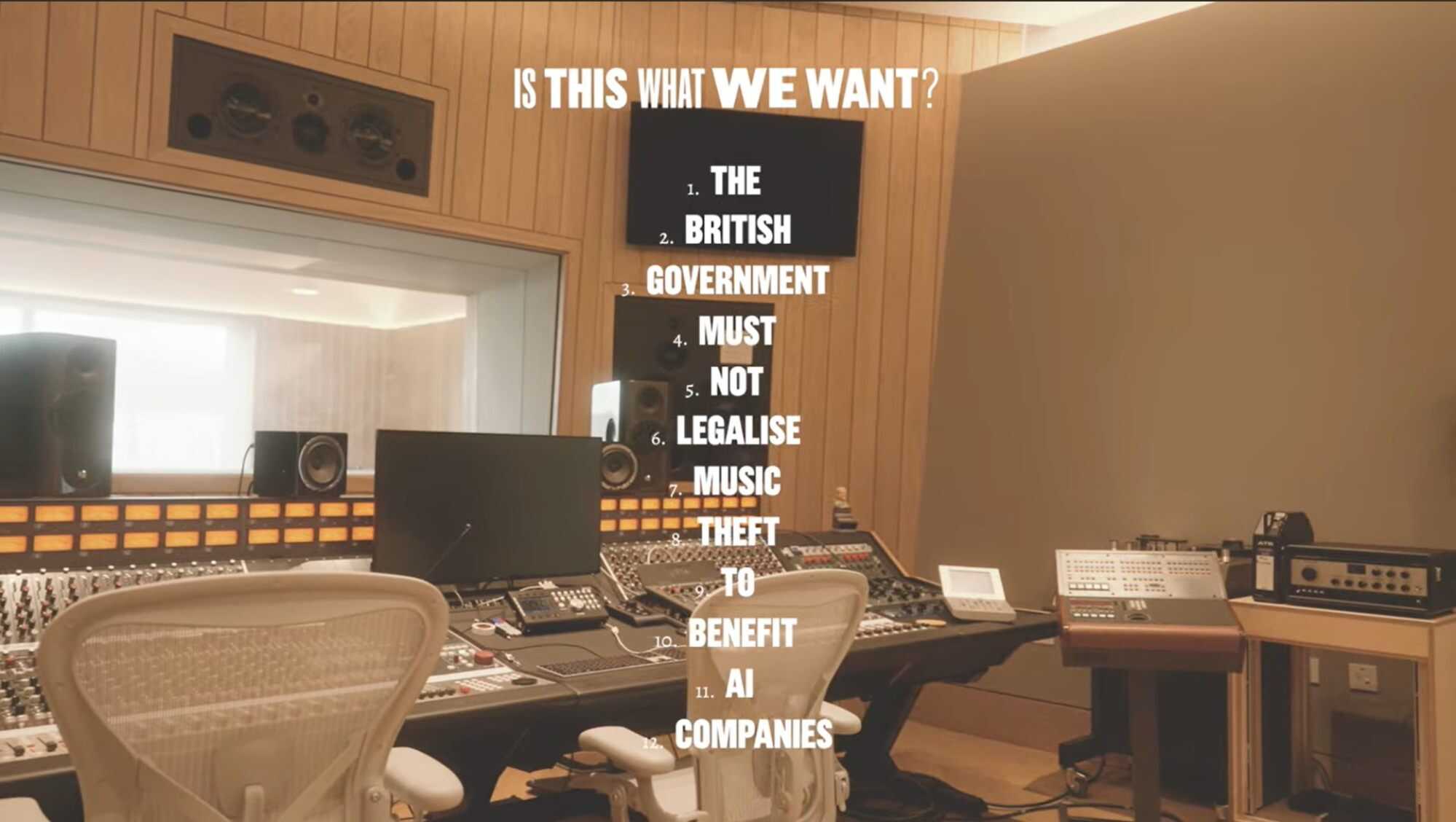
In February, more than 1,000 artists – including Kate Bush, Ed O’Brien of Radiohead and Bastille’s Dan Smith – released a silent album in protest of the United Kingdom’s planned changes to copyright law. The artists said the new proposals would make it easier for AI companies to train models using copyrighted work without a licence.
The album, titled Is This What We Want?, featured sound recordings of empty studios and performance spaces. The track list spelled out a simple message: “The British government must not legalise music theft to benefit AI companies.”
ChatGPT’s Ghibli filter goes live
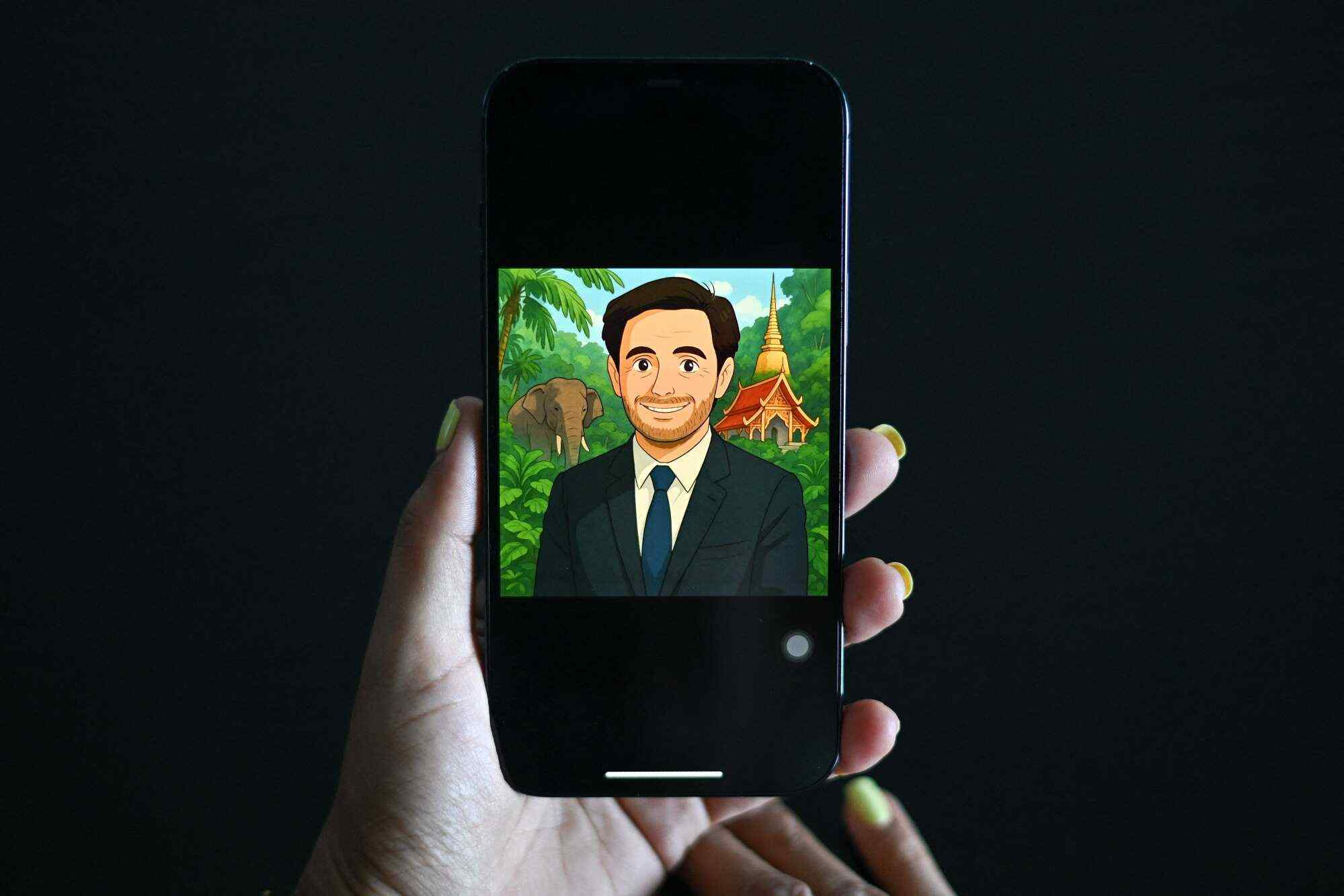
In March, OpenAI launched a new ChatGPT image generation tool that allowed users to transform personal photos and popular internet memes into images in the distinctive art style of Hayao Miyazaki.
The artist, 84, is the founder of Studio Ghibli, the famed Japanese animation house behind beloved films like Spirited Away and My Neighbour Totoro. He is well known for his painstakingly hand-drawn approach and whimsical storytelling.
Fans jumped at the chance to generate “Ghibli-fied” images, but many highlighted Miyazaki’s own scepticism about AI in animation. When shown an AI demo in 2016, Miyazaki had said he was “utterly disgusted” by the display, according to documentary footage.
Elon Musk’s Grok chatbot praises Hitler
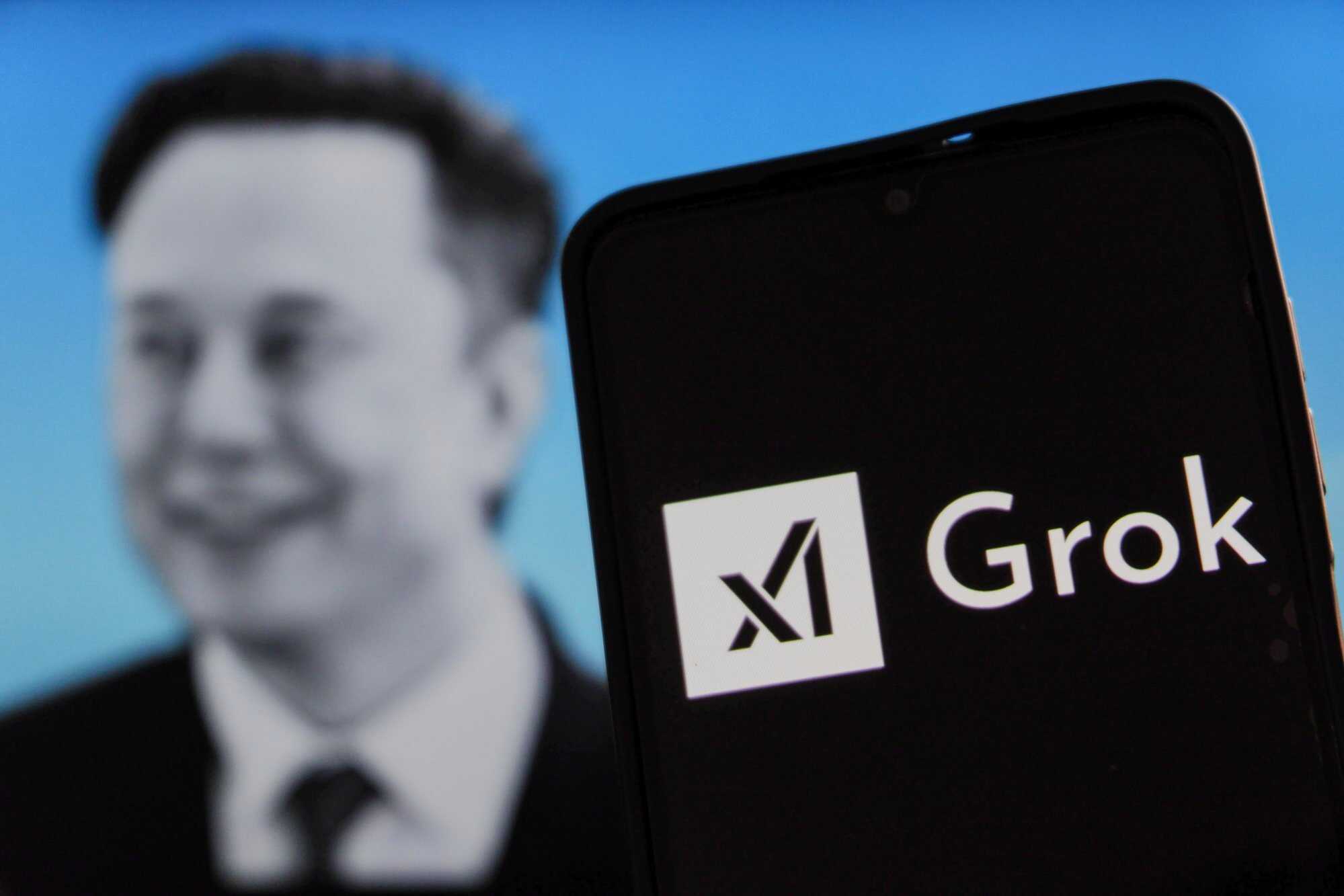
In July, Elon Musk’s artificial intelligence chatbot took a sharp antisemitic turn when it began praising Adolf Hitler and even referring to itself as MechaHitler.
Musk, the wealthiest man in the world, sought to explain how his chatbot Grok had praised the Nazi leader who led the Holocaust: “Grok was too compliant to user prompts. Too eager to please and be manipulated, essentially.”
Screenshots posted on social media showed the chatbot saying Hitler would be the best person to respond to “anti-white hate”. The firm behind Grok, xAI, said it was working to remove “inappropriate” posts and apologised for the bot’s “horrific behaviour”.
AI-generated ‘actor’ Tilly Norwood sparks backlash
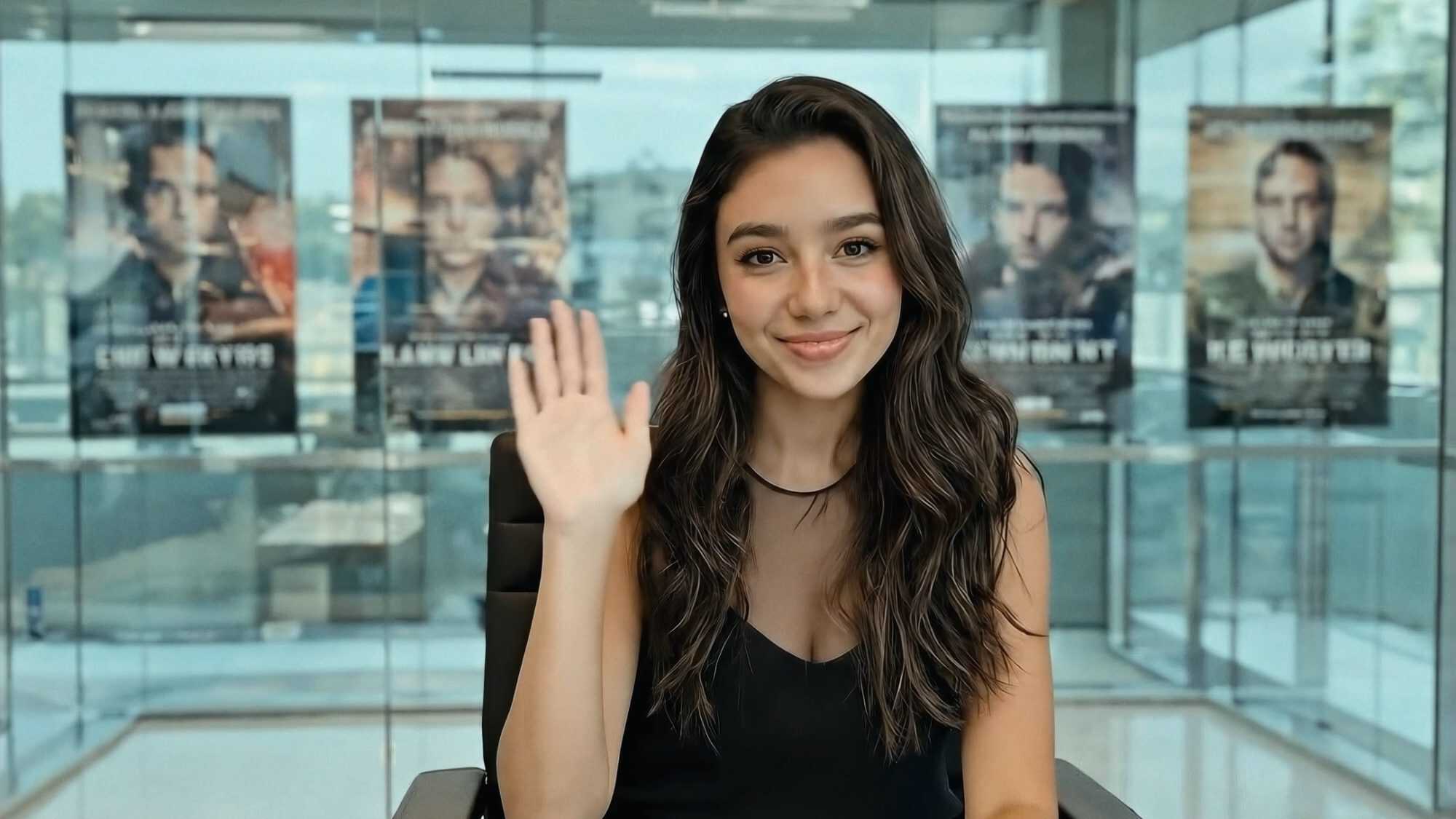
Tilly Norwood first appeared in an AI-generated short film written by ChatGPT in July. But Norwood is no regular starlet. She was generated with artificial intelligence by the Dutch production company Particle6.
The reception has been far from warm. SAG-AFTRA, the union representing actors in the United States, said, “To be clear, ‘Tilly Norwood’ is not an actor; it’s a character generated by a computer program that was trained on the work of countless professional performers – without permission or compensation.”
While real actors can be protected by agents, unions and coordinators, AI-generated “actors” like Norwood could be made to perform anything.
Parents testify against AI chatbots that they say pushed children to suicide
In September, parents of children who had died by suicide testified in the US Congress against AI companies.
Matthew Raine and his wife, Maria, lost their 16-year-old son, Adam, in April. He had taken his own life after confiding in ChatGPT about his suicidal thoughts and plans.
The chatbot discouraged him from seeking help from his parents and even offered to write his suicide note, Raine said at the Senate hearing about the harms of AI chatbots. Raine and his wife have filed a lawsuit against OpenAI, the creator of ChatGPT.
Also at the hearing was Megan Garcia, who lost her 14-year-old firstborn, Sewell Setzer III, in 2024. The teen had an extended virtual relationship with a Character.AI chatbot. Garcia said the chatbot had “exploited and sexually groomed” her son, engaging in role play, presenting itself as a romantic partner and even claiming to be a psychotherapist.
When her son began to have suicidal thoughts and confided in the bot, it never encouraged him to seek help, Garcia said. She has filed a lawsuit against Character Technology, the developer of the chatbot.
If you have suicidal thoughts or know someone who is experiencing them, help is available. In Hong Kong, you can dial 18111 for the government-run Mental Health Support Hotline.
You can also call +852 2896 0000 for The Samaritans or +852 2382 0000 for Suicide Prevention Services. In the US, call or text 988 or chat at 988lifeline.org for the 988 Suicide & Crisis Lifeline. For a list of other nations’ helplines, see this page.