Content provided by British Council
Read the following text and answer the quiz below.
[1] A zoo in Japan has allowed its staff to mimic pandas after its bears were returned to China. The unusual activity has been seen as an attempt to keep panda lovers engaged.
[2] Last June, four pandas were returned to China from the Adventure World amusement park in Japan’s Wakayama prefecture. They were the 24-year-old Rauhin and her offspring, Yuihin, Saihin and Fuhin. It marked the end of the park’s 31-year history of keeping pandas. Rauhin was also the first panda born and successfully raised in Japan.
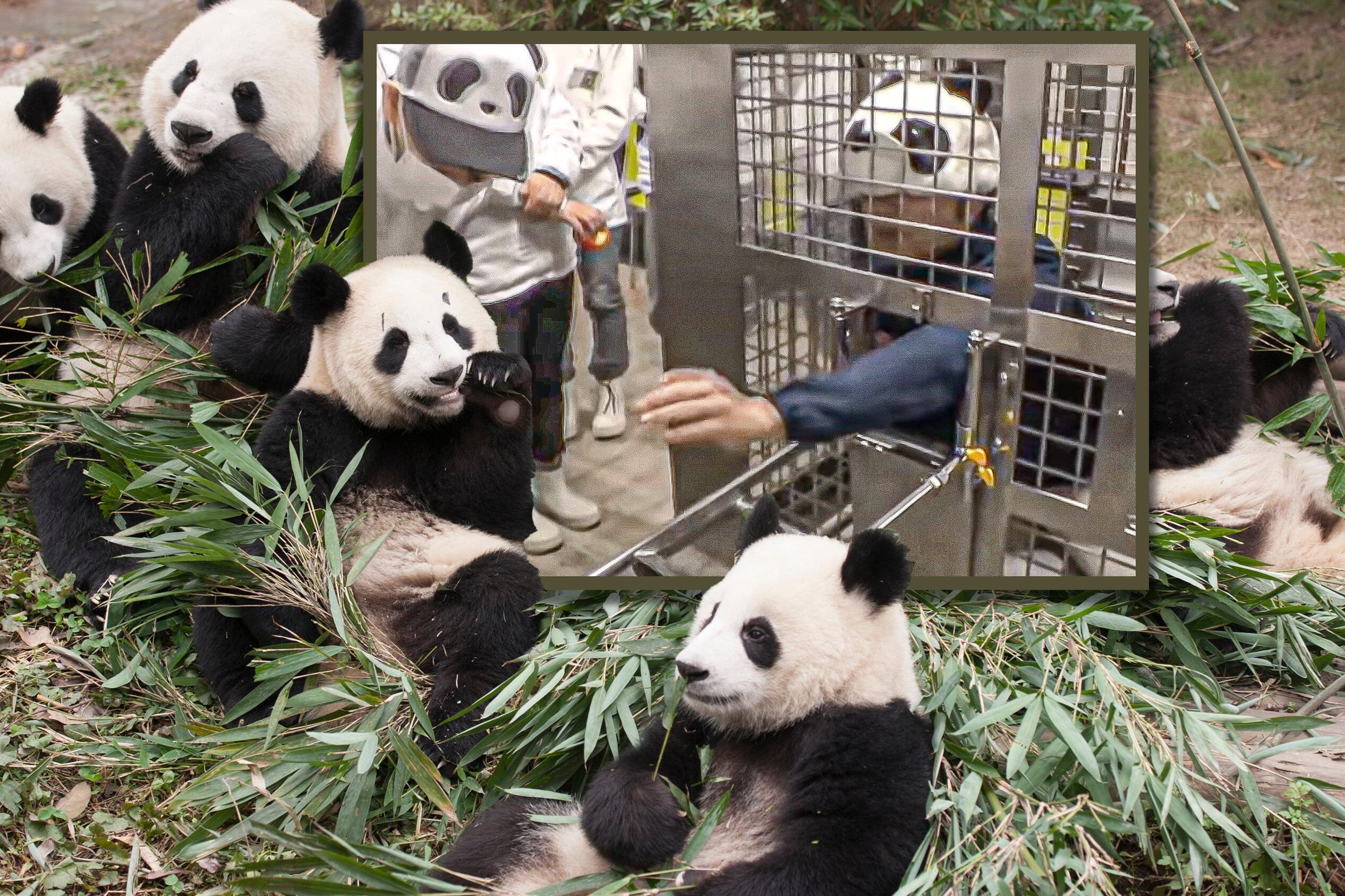
[3] It is unclear if the park will welcome new pandas. Still, the park has kept its facilities for the bears and holds panda-related events. One became trendy on mainland Chinese social media after Japanese media outlets reported on it in December. It was a panda keeper experience tour held at the park’s panda facilities every week. People taking part acted as panda keepers and fed one of the four “pandas”. Staff members took turns pretending to be the bears.
[4] In a viral video clip, one staff member wears a panda hat and pretends to eat an apple given to him by a participant. Participants are also allowed to go inside the pandas’ living areas, which were opened to the public after the bears left. At the end of the event, participants receive a keeper certificate.
[5] The event is part of the Panda Love Club. The project was initiated by the park’s public relations officer Manami Wakabayashi, who said she had been raising pandas for three decades. The project also includes other events such as keepers’ talks on their memories of the pandas, lectures and tours of the animal’s playground.
[6] The last two pandas remaining in Japan, twins Xiao Xiao and Lei Lei, were born at Ueno Zoo in Tokyo. They are scheduled to return to China by the end of January. They were delivered in 2021 by their mother Shin Shin, who arrived in 2011 and was returned to China in 2024. Long queues of visitors have formed at the zoo to bid farewell to the bears.
Source: South China Morning Post, January 8