Read the article and then answer the quiz questions below.
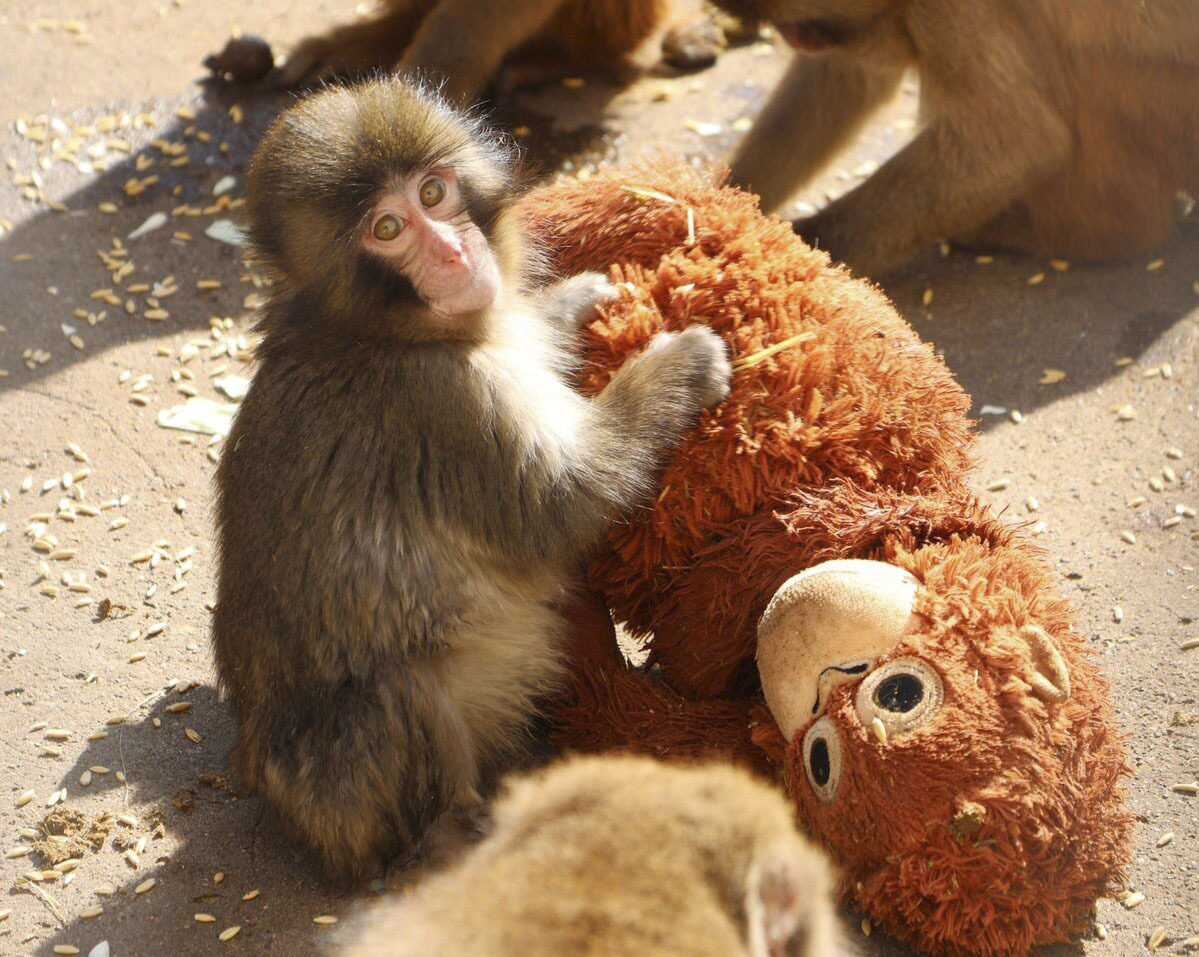
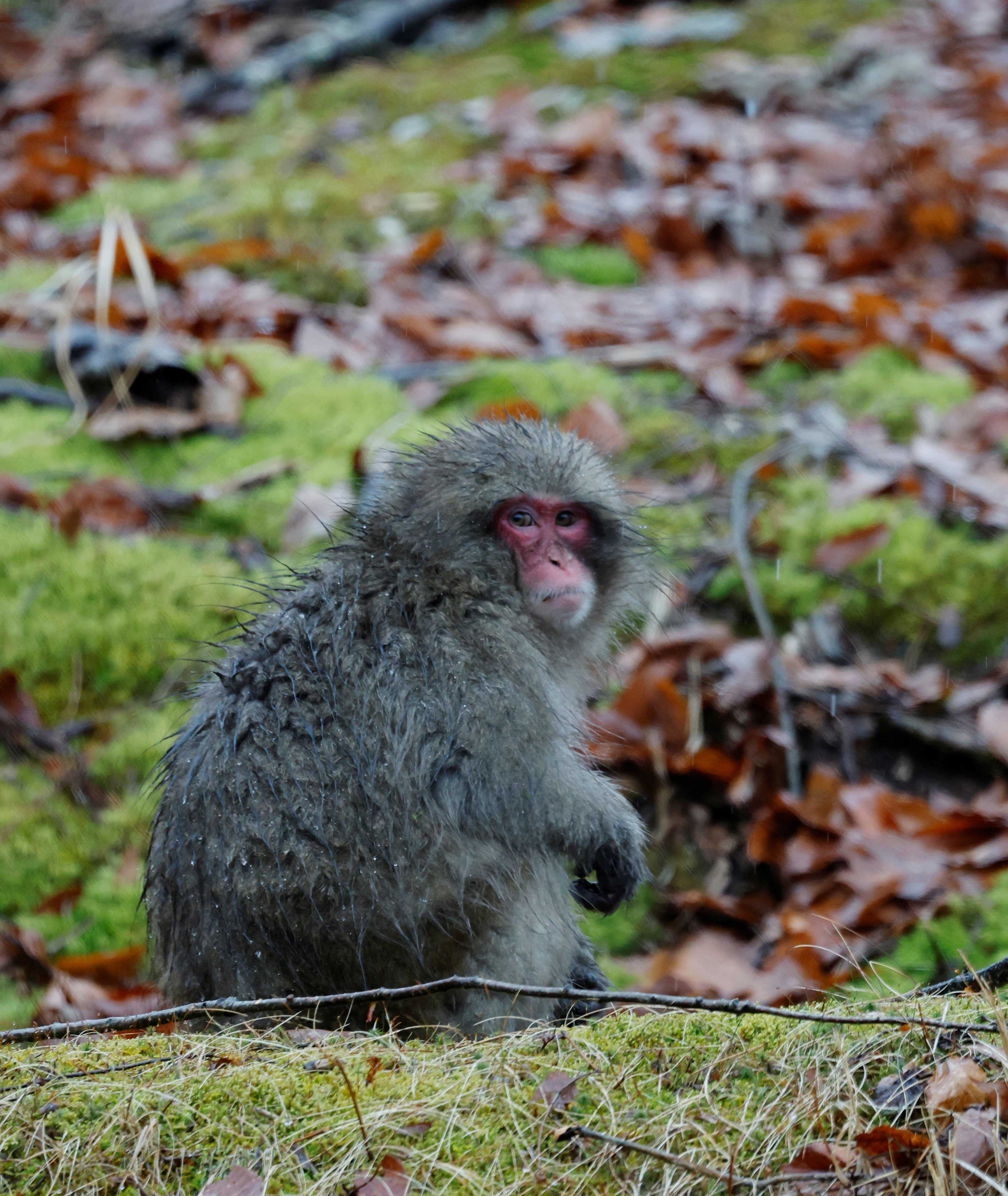
[1] Punch the baby snow monkey and his stuffed orangutan toy have captured hearts around the world. They have inspired memes and even won over politicians. But in the wild, Punch’s fellow Japanese macaques have a different image. People often think of them as pests. They shoo them away or even kill them to prevent economic damage to farmers.
[2] Japan’s agriculture ministry estimated that monkeys caused 770 million yen (HK$37.8 million or US$4.8 million) worth of damage in 2024. To stop this, Japan officially allows the hunting of thousands of monkeys each year.
[3] People disagree over how to deal with the monkeys. The issue divides those who suffer from stolen crops and others who want a kinder solution. Takayo Soma is from Kyoto University. He is a scientist who studies primates. “It’s important to put countermeasures in place to prevent damage,” Soma said. But he added that it would not be smart to kill a group of monkeys without a reason.
[4] Shigeki Izumiyama is a professor at Shinshu University. He said that killing a troop of monkeys would only invite another to take its place. This makes the practice ineffective and “never-ending”. Instead, some suggest non-lethal measures. These include electric fences and pet dogs that can be trained to chase the intruders away.
[5] Takumi Matsuda grows apples. He is one of the few farmers who likes snow monkeys. Matsuda said humans need to understand their role in causing the problem. For example, many humans have moved into the animals’ natural homes.
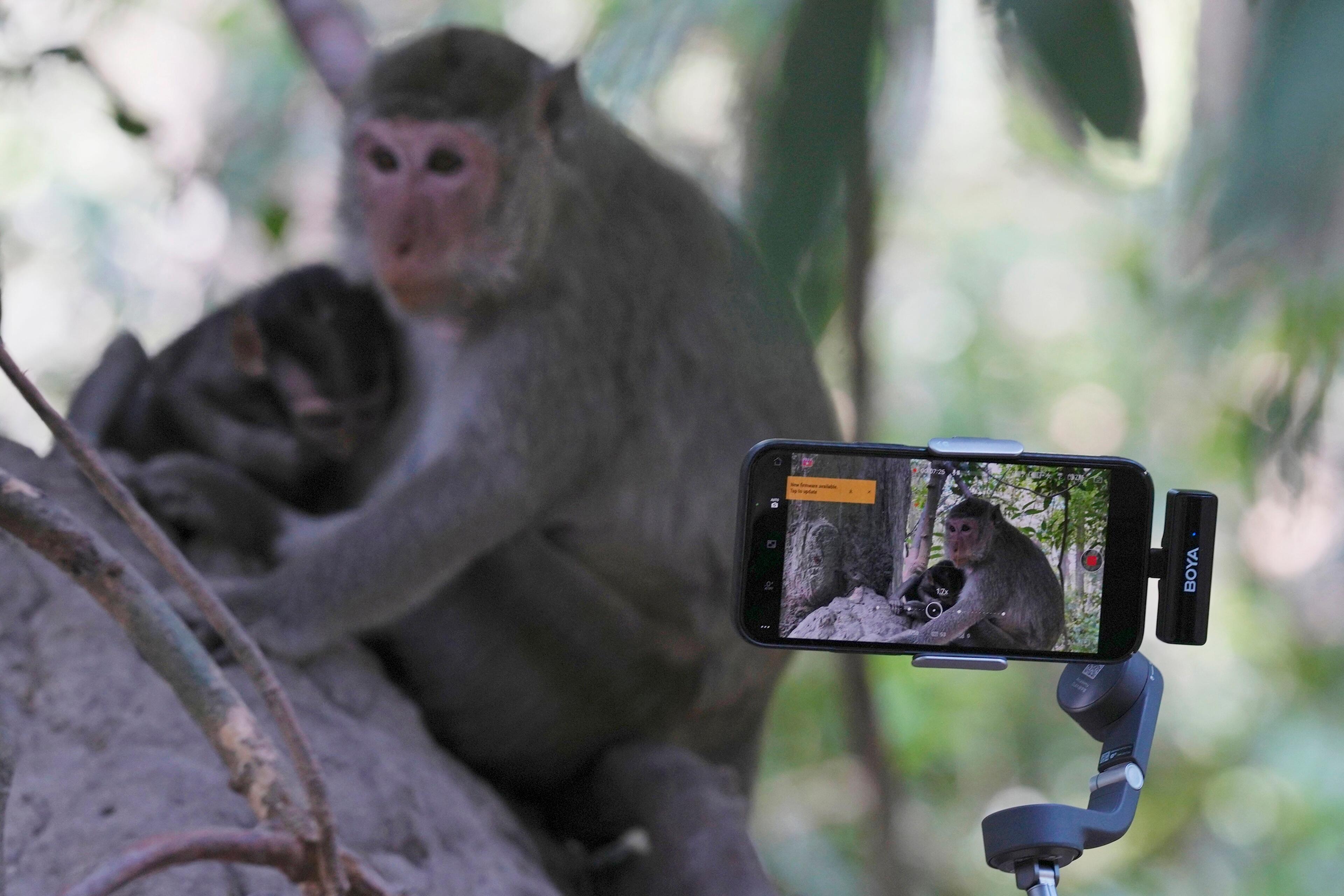
[6] Matsuda shares photos and videos he takes of the primates in the mountains of Nagano prefecture, in central Japan. He now has many followers on Instagram.
[7] But Matsuda said he also could understand farmers’ concerns. “It’s not that farmers hate the monkeys. They are worried about the impact on their livelihood,” he said. “I really hope Punch will be a starting point for a lot more people to go and see real Japanese macaques living in the wild.”
Content provided by British Council