Content provided by British Council
[1] A couple from Hong Kong will not face criminal charges for chasing storms with their children during Super Typhoon Ragasa last year. Instead, they were given a three-year warning at Eastern Court last month for not taking care of their children properly.
[2] Under the order, if they do not behave well and keep the peace for three years, they will have to pay a fine of HK$2,000 (US$255). If they commit any more child abuse violations, they can face even tougher penalties.
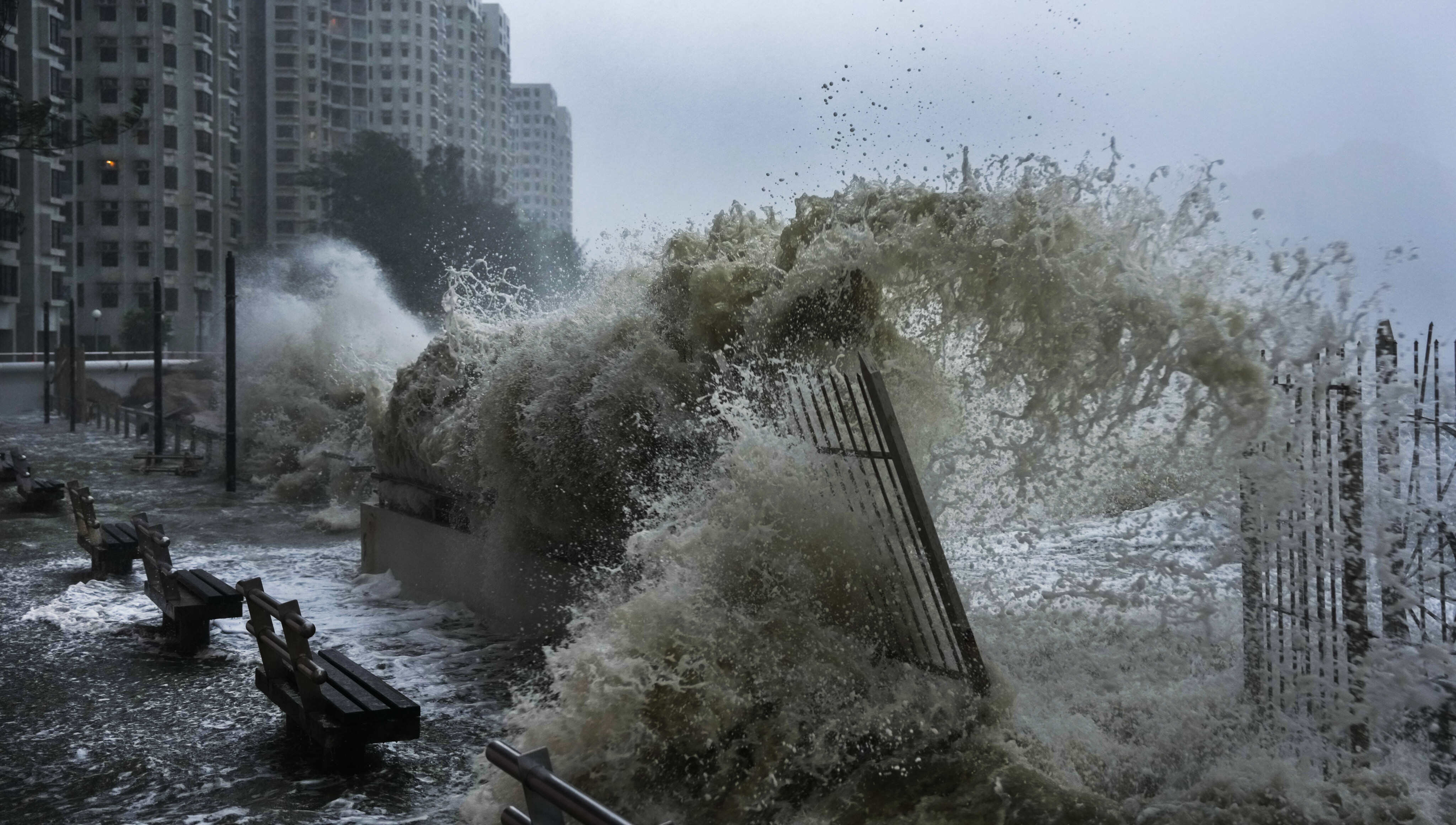
[3] The 40-year-old father, surnamed Yen, and the 38-year-old mother, surnamed Li, took their kids to a breakwater on Ka Yip Street in Chai Wan to watch the big waves during Super Typhoon Ragasa on September 23, 2025.
[4] The Hong Kong Observatory raised the No 10 typhoon warning at 2:20pm that day and told people to stay away from the coast. At around 3:10pm, a big wave, about three meters high, swept the woman and her five-year-old son into the sea while the family was getting ready to leave. The father jumped into the water to try to save them.
[5] The unconscious mother and son were saved by a boatman. They got help in the intensive care unit at Pamela Youde Nethersole Eastern Hospital in Chai Wan. The court was told that the boy had aspiration pneumonia. He also had many scratches and cuts on his head, chest and left leg. He went home from the hospital on September 30.
[6] The couple’s nine-year-old daughter remained safe on shore and was not hurt. The couple remained silent under caution and did not allow the police to interview their children. Police issued a statement after the incident, warning residents to stay away from dangerous areas during extreme weather. The force also said they might take action against anyone who puts themselves in danger.
[7] Authorities currently have no plans to introduce specific fines for storm chasing and similar dangerous behaviour. Last October, Security Minister Chris Tang Ping-keung said the government would look at how well current laws are working before thinking about making new laws.
Source: South China Morning Post, May 12