Every week, Talking Points gives you a worksheet to practise your reading comprehension with exercises about the story we’ve written.
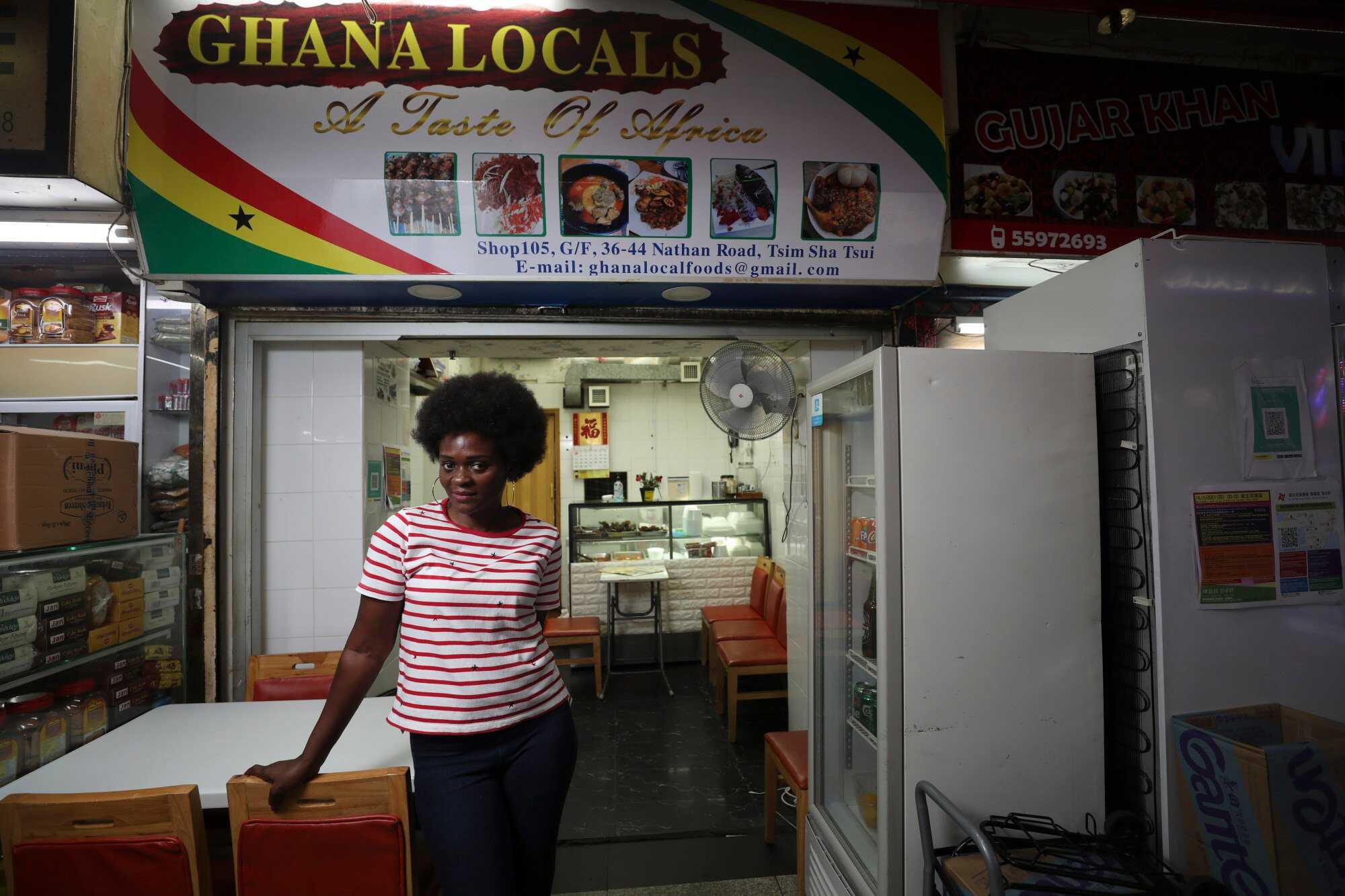
On a humid evening in Hong Kong, a server at African eatery Ghana Locals in Chungking Mansions shows a first-timer how to pinch fufu. Fufu is a dough made from boiled and pounded starches, and it is usually dipped into soups and stews.
Owner Tess Karl Buah, who came to Hong Kong in 2000 from Ghana and opened the restaurant seven years ago, scans the room’s customers.
“Africans are just 40 per cent of my customers,” she said. “I have a lot of locals, expatriates and tourists.”
Buah has popular dishes like fufu with goat soup, tilapia and jollof rice with plantain and chicken or fish. Most of the spices they use come from Ghana.
For diners unsure where to start, pictures do the work.
“Some people don’t understand English, and I don’t speak much Chinese, so we use photos,” Buah said.
For some guests, she added, “The first time they talk to a black person is here.”
She thinks that trying African foods and learning about its cultures can really help break down harmful stereotypes and create new connections.
“In our culture, we eat with happiness,” she said. “We talk to everybody. Sometimes people think we’re arguing, but we’re not – we’re just enjoying the food.”
Bridging cultures, building connections
A short walk away in Jordan, the Africa Centre Hong Kong helps people meet and learn about African cultures. They have many activities that help to break down stereotypes and build new friendships.
“We focus on rebranding blackness, connecting communities and building black consciousness,” said Tinotenda Muzairi, who works at the NGO in business development.
Muzairi talked about how silly it is for people to be scared of Chungking Mansions.
“Does all the crime that happens in Hong Kong happen at Chungking Mansions?” he asked.
If you believe that, Muzairi said, “then you might as well stay home”.
To change how people think, the centre offers tours of Chungking Mansions where students can talk to shop owners and eat their snacks.
Students who came in feeling unsure often come back with friends or family. The shops they visit, both African and South Asian, notice that more people visit their businesses.
Opening up a door
Social media made Hongkongers more open to African foods and cultures, Buah said, and visibility could spike overnight.
“A member of the Hong Kong boy band Mirror came in,” she recalled. “He chose fufu. I thought, ‘Wow, I’m so grateful that I saw someone like this in my restaurant.’”
One day, Buah wants to move her restaurant to a bigger place outside Chungking Mansions. She dreams of having a restaurant and bar where there is live African music and dancing to show “the lifestyle of Africa”, she said.
At the Africa Centre, they offer internships and job programmes for young people from ethnic minorities. They also do workshops in schools to help students learn about African cultures.
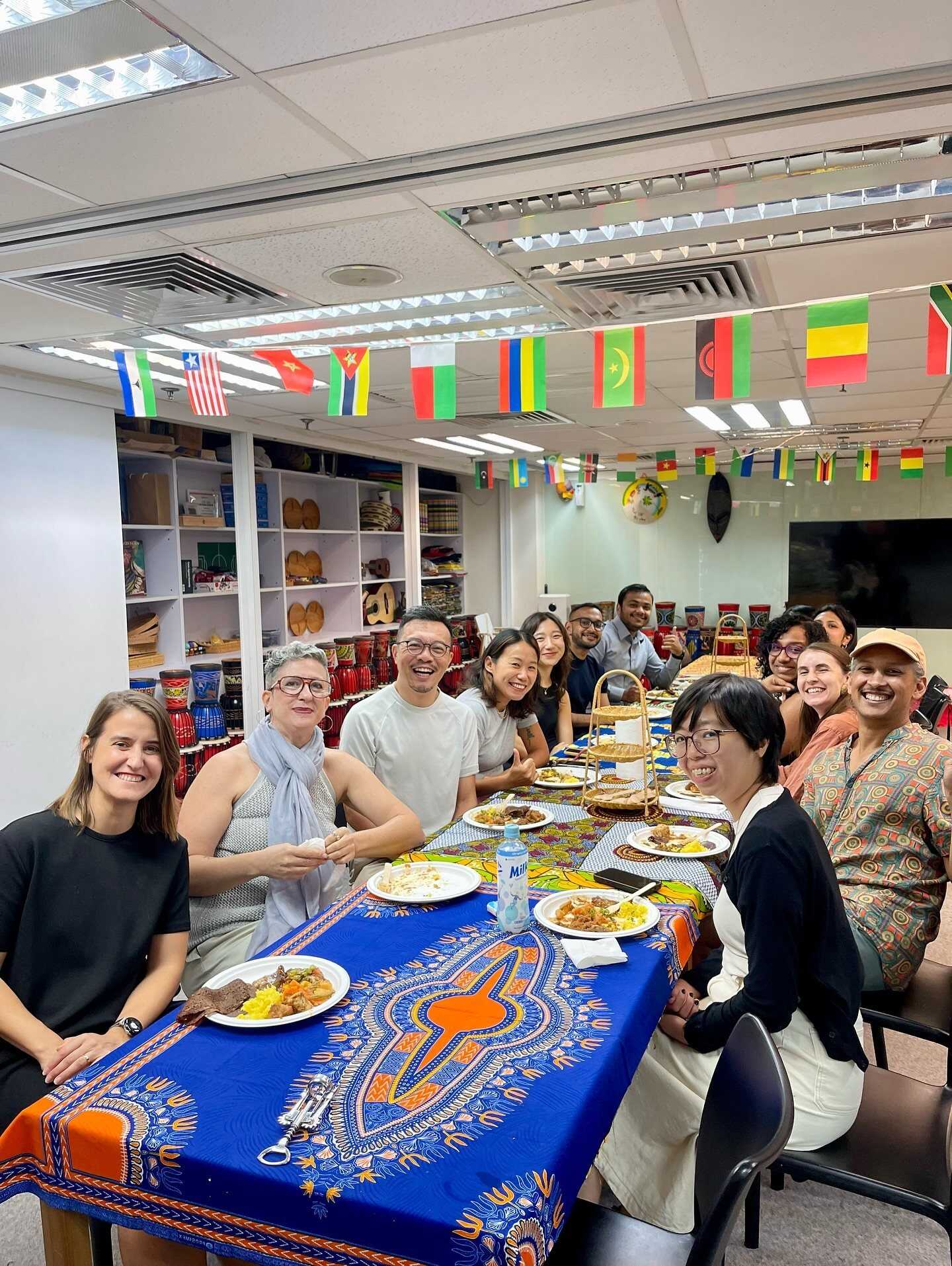
The NGO also hosts “Injera Nights” that bring people together over injera, an Ethiopian and Eritrean fermented flatbread often eaten with different vegetable and meat dishes.
“There’s still a long way to go,” said community initiatives coordinator Nebra Younis. “I just wish African culture was celebrated more holistically.”
Younis highlighted the importance of helping newcomers from Africa more. She wants to create more chances for them to join professional groups and share positive stories that fight against negative stereotypes.
“When Africans have an equal footing here in Asia … that will be impact,” Muzairi said.