Every week, Talking Points gives you a worksheet to practise your reading comprehension with exercises about the story we’ve written.
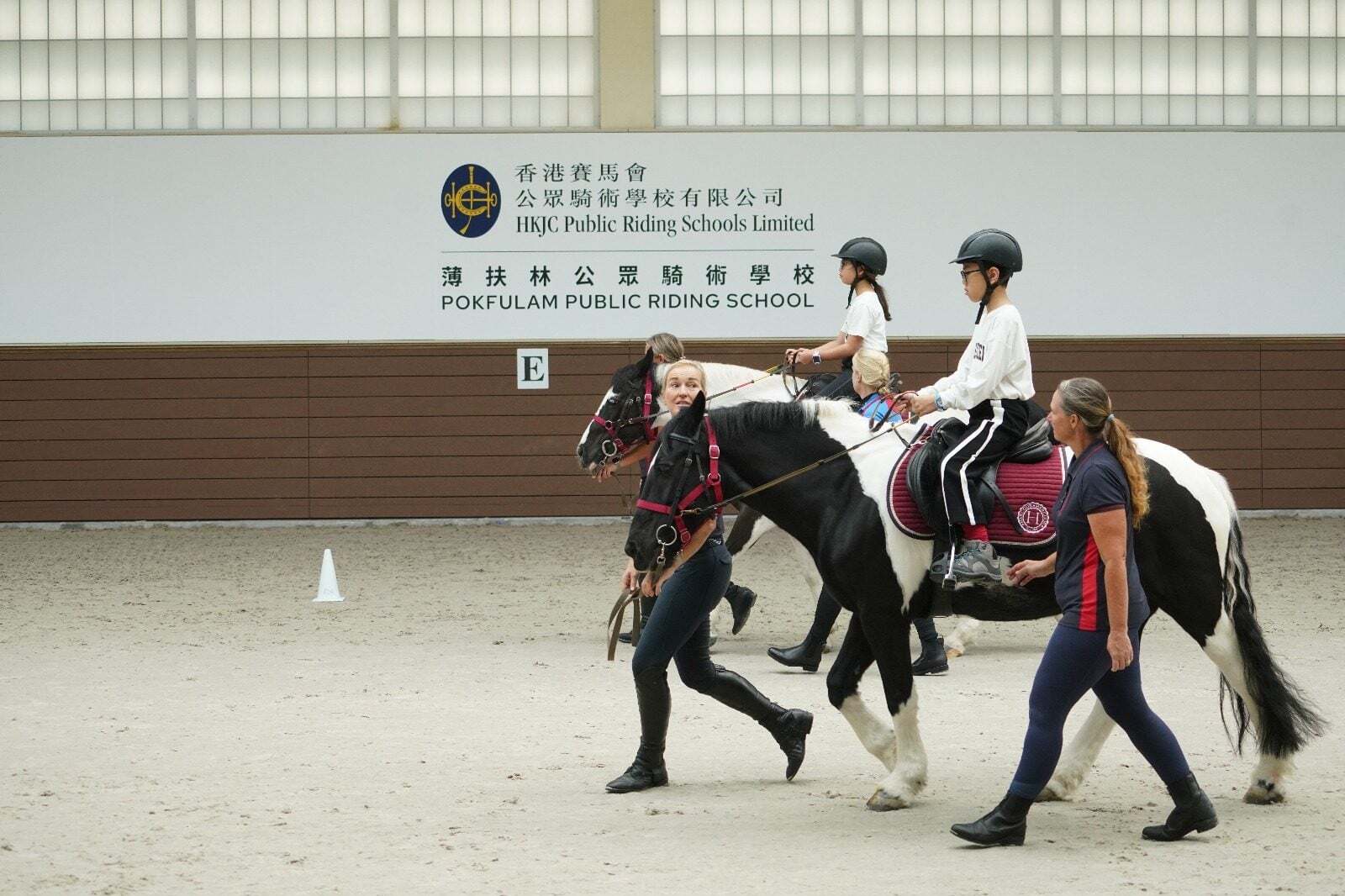
The horses are happy as they run and play in the big indoor sand arena in a quiet area of Hong Kong called Pok Fu Lam.
This arena is part of the Hong Kong Jockey Club’s Pokfulam Public Riding School. It just got a big upgrade that took three years and cost HK$375 million.
The Riding for the Disabled Association (RDA) is a charity that helps kids and adults with disabilities learn to ride horses at this school.
The RDA was started in 1975 by Lady MacLehose, who was the wife of the Hong Kong governor back then.
Last year, the RDA celebrated its 50th birthday.
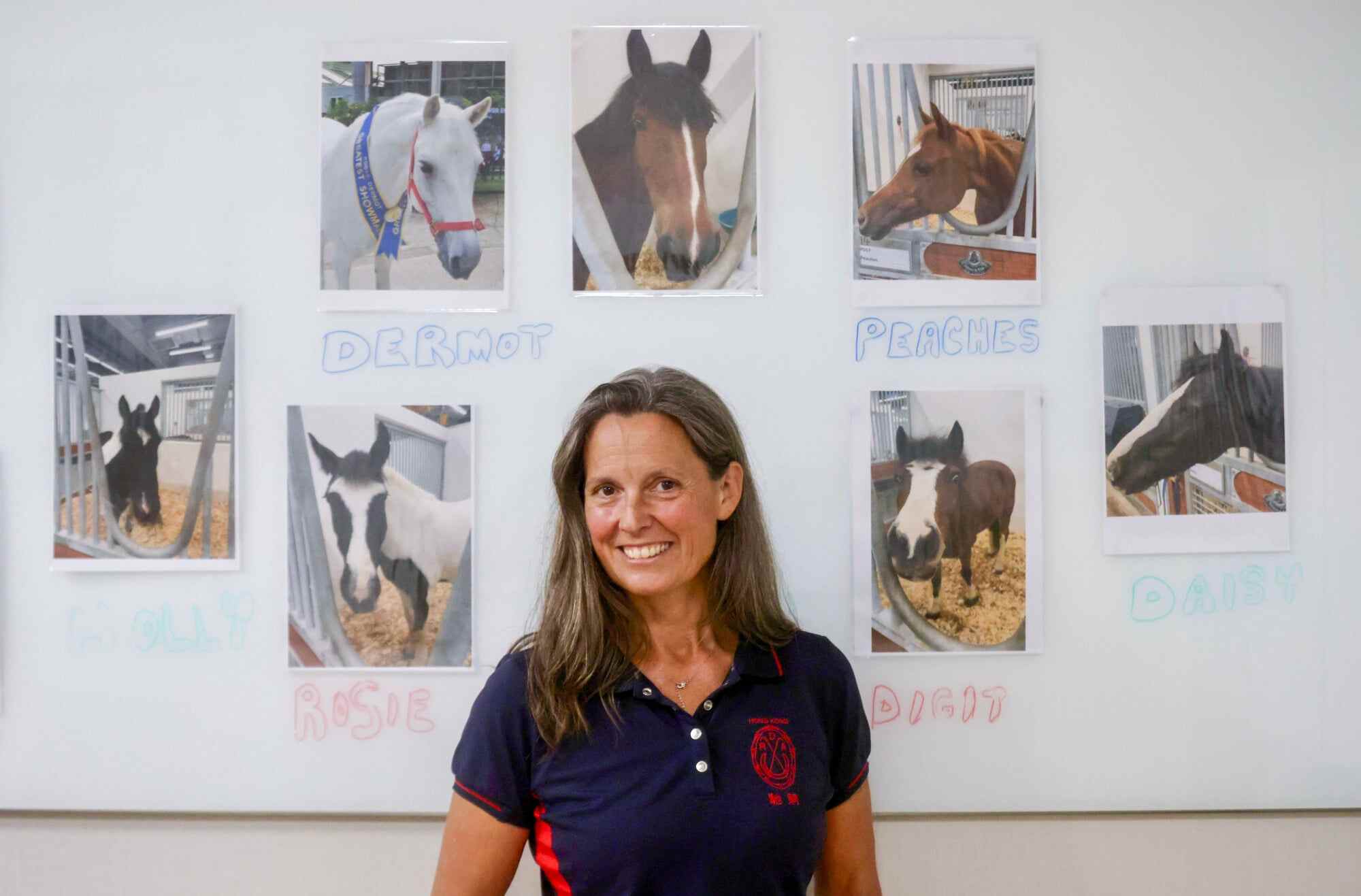
Joelle Scott has been an instructor at the RDA for 30 years. Over these years, she has noticed changes in the types of disabilities that riders have.
“Most of the challenges that we saw 30 years ago were physical – kids with spina bifida and Down’s syndrome,” she said. “Now we’re seeing an increase in kids with mental disabilities, particularly autism.”
Helping riders gain confidence
Riding is known to be very helpful for people with disabilities.
“Riders gain improved balance, coordination and muscle tone, while also building confidence, focus and emotional resilience,” Scott said.
Many riders come with little movement or confidence and often feel alone, she said.
“After therapy, we see remarkable changes: greater independence, joy and self-esteem and in many cases, a new sense of belonging within the community,” she said.
Scott has seen incredible things happen.
“I have witnessed the magic of the horse’s gentle nature. I have heard the first words spoken to a pony from a child who had been non-verbal their whole life. I have watched children become strong when they previously couldn’t hold themselves upright,” Scott said.
Scott said that many people think horse therapy is just for fun.
“It’s actually a structured rehabilitation method. Every session is designed with therapeutic goals in mind, and the benefits are measurable,” she said.
“In Hong Kong, we place particular focus on children and young adults with physical disabilities, developmental delays or learning challenges.”
Heartwarming experience
Volunteers are very important for any non-profit organisation. They are the main support for RDA.
“They lead horses, assist riders during sessions, and help with essential tasks such as fundraising and event support,” Scott explained.
“Their dedication ensures that every rider can participate safely and meaningfully, and without them, the programme simply could not operate.”
Horses are special because they are prey animals and live in groups. This social behaviour helps them work well with people who have disabilities.
They are very good at sensing human feelings and body language, making them great for therapy. Because they are prey animals, they pay close attention to everything around them. This includes small changes in a person’s face, posture, breath and energy.
This means horses can quickly respond to how someone is feeling without using words.
Scott mentioned that it’s really touching to see the special connection that can grow between a rider and a horse.
“What I love about horses is that when we bring the kids around them, they are so gentle with them. They understand that they need extra care,” the instructor explained.
“I have seen every child benefit from our therapy and have seen big changes in their behaviour and in their confidence. They become less anxious because a horse is able to calm them.”