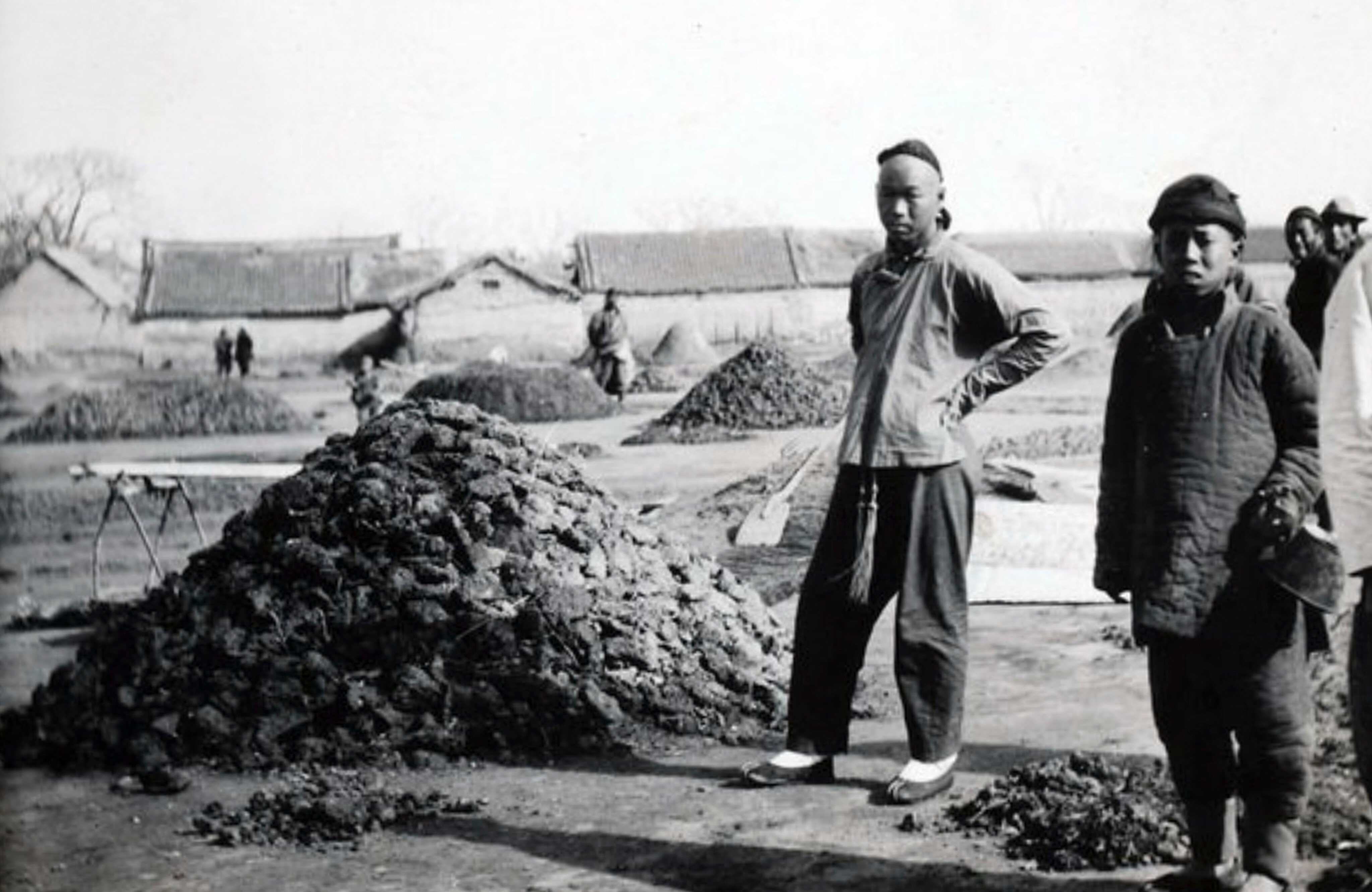
In ancient China, collecting people’s waste used to be a good way to make money. But it could be a competitive job. These workers were called “dung collectors”.
Since there were no modern toilets, people used chamber pots to hold their waste. They could not just throw their waste away when they wanted.
Every day, workers picked up waste from each house and took it to the countryside to sell. Farmers bought this waste to use as fertiliser for their plants. People who collected dung could make good money. Workers would even compete for collection areas.
By the Southern Song dynasty (1127-1279), competition had become intense. Some collectors even took their arguments over collection areas to court.
In the Ming (1368-1644) and Qing (1644-1911) dynasties, the system was more organised. Dung collectors divided their territories and made agreements that banned them from entering others’ areas.