Every week, Talking Points gives you a worksheet to practise your reading comprehension with exercises about the story we’ve written.
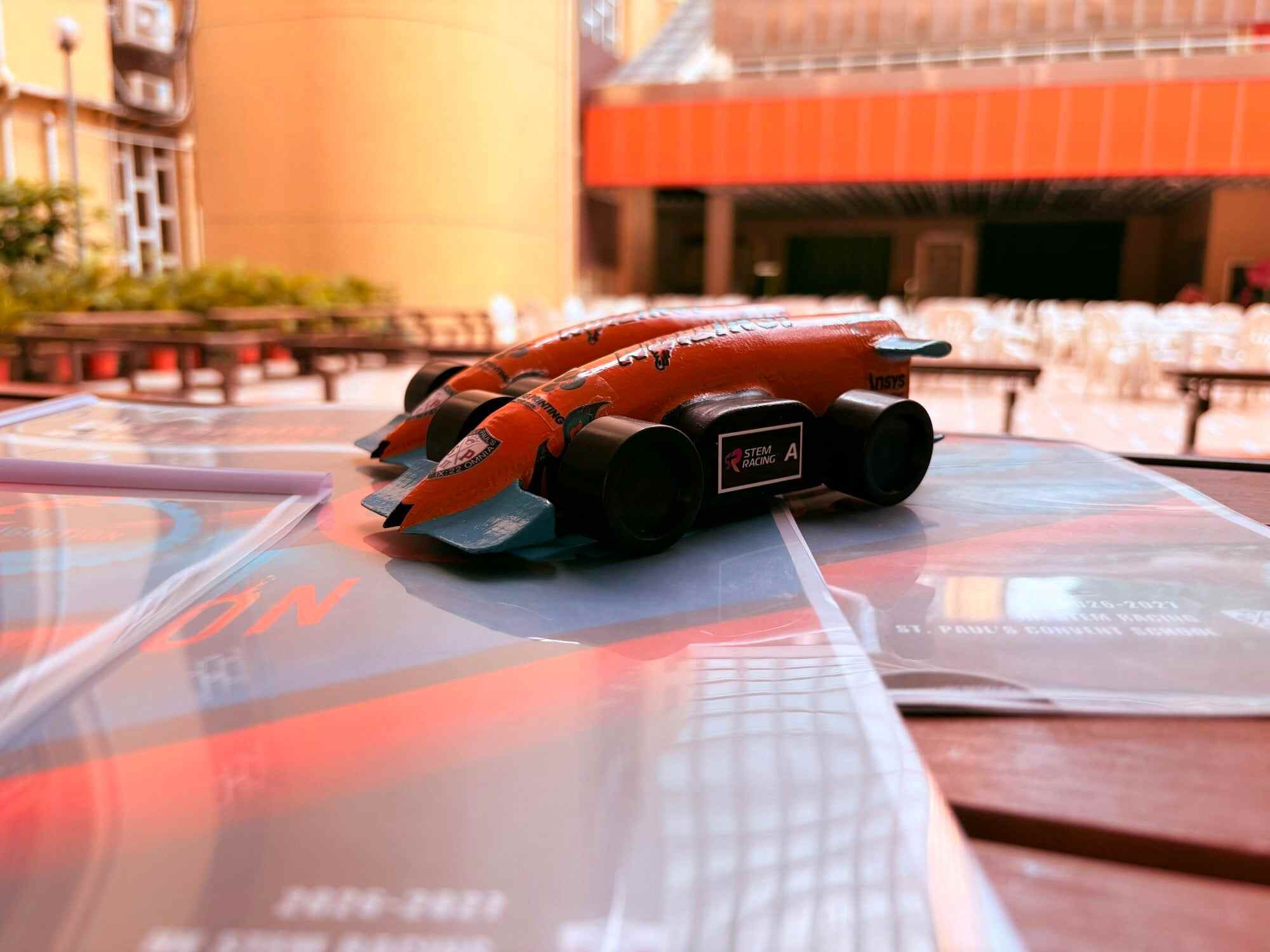
A cracked front wing might seem like a small problem for a mini racing car. But its creators knew the crack could mess up the car’s balance and speed.
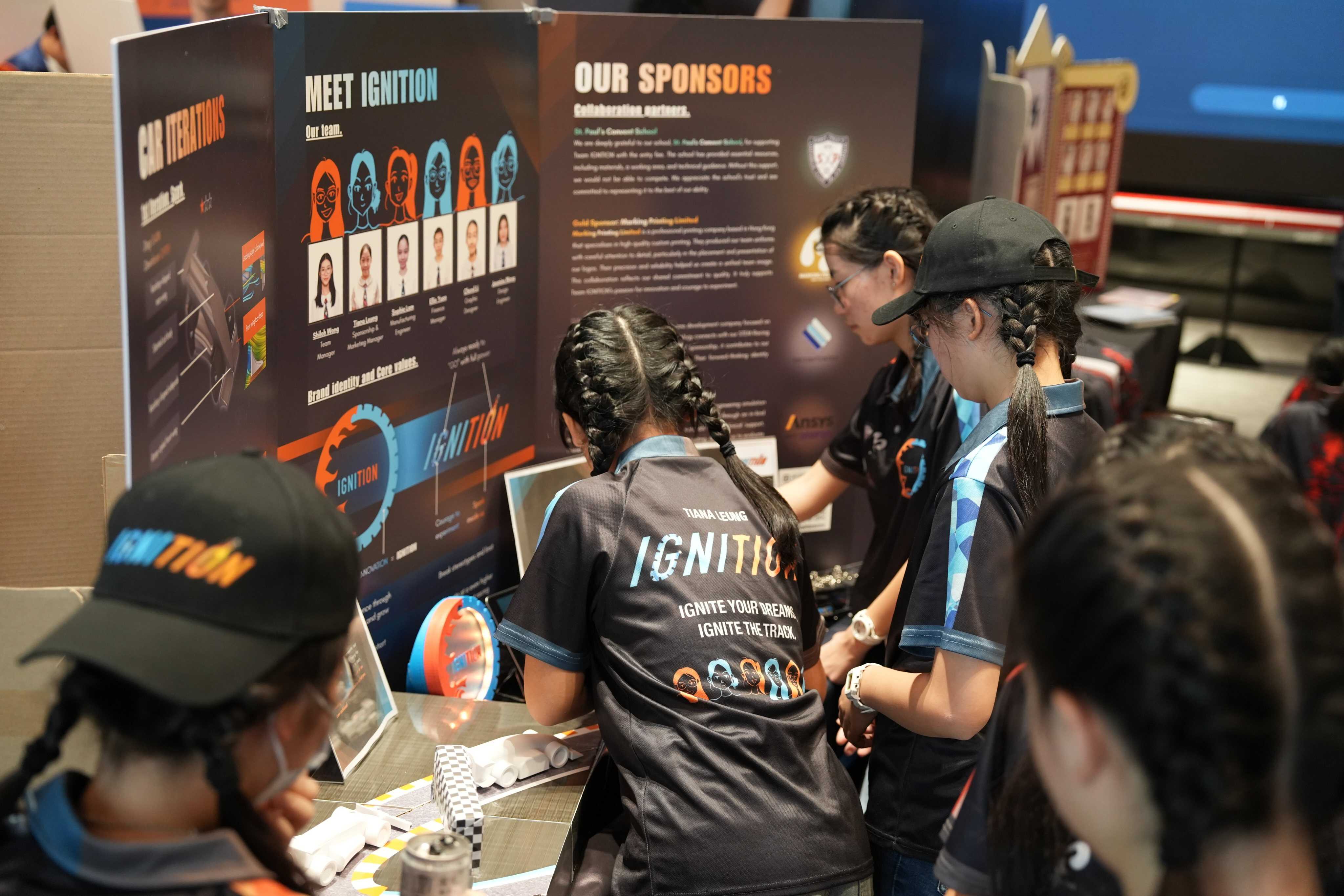
The car was made by Ignition, an all-girls team of six Form Four students from St Paul’s Convent School. They measured the broken wing before carefully trimming its tip. In engineering, even the smallest details make a difference.
Challenges like this are part of STEM Racing, a global contest in which students design, manufacture and race miniature model cars. Contestants must also take on the business responsibilities of running a team.
Ignition was the only all-girls team in the Development Class – the category for new teams. They won the award for best verbal presentation, and their car was the third fastest out of 17 in the Primary & Development Class Competition in September.
They hope to continue challenging stereotypes in engineering and motorsport. In December, they will compete in the Professional Class of the Hong Kong Regional Finals, aiming for a shot at the World Finals.
There are few women at the top levels of motorsport. This is why Ignition team member Tiana Leung Hoi-wan said the contest was a chance to show that girls belong in this sport.
“Our message to young women in Hong Kong is clear: if STEM interests you, take that first step,” the 15-year-old said. “You do not need to fit a stereotype to succeed. Your passion and ideas deserve a place on the track.”
Experiments with car design
In the Professional Class, the team has more freedom to design their car, but there are also new challenges.
“We redesigned our own lightweight wheels to cut down inertia [and] smoothed out the [body] ... resembling more of a real-life Formula One car,” said team manager Shiloh Wong Tsz-ki, 15.
They used computer systems to design and test digital versions of their vehicle. The team would examine how air flows around the car when moving at different speeds.
In an early design, they found a build-up of air at the front of the wing. The team reduced the wing’s angle before testing it again. Through repeated tests, they gathered evidence to improve every aspect of the car, which is a key process of engineering.
Business skills
The contest also tasks students with thinking like entrepreneurs, a skill that extends beyond racing. They must seek support from sponsors and learn how to create a brand for their team.
Cheryl Li Tsz-wai, 15, was in charge of the team’s marketing. When meeting potential sponsors, she said the team talked about how they could work together rather than just asking for money.
“Our aim is to give each partner a meaningful role in our journey while creating opportunities to showcase their work,” she said.
The team said they had a sponsorship from a clothing company to work on team uniforms. They were also talking to a printing company to help make their pit display.
For students looking to step into competitive engineering, team member Sophia Lam offered advice. She encouraged others to not be afraid of trying something that might seem difficult.
“Taking that first step out of your comfort zone is often the hardest part,” she said. “STEM can certainly feel complex and intimidating, but once you get involved, you’ll discover a supportive community and develop skills that extend far beyond the classroom.”