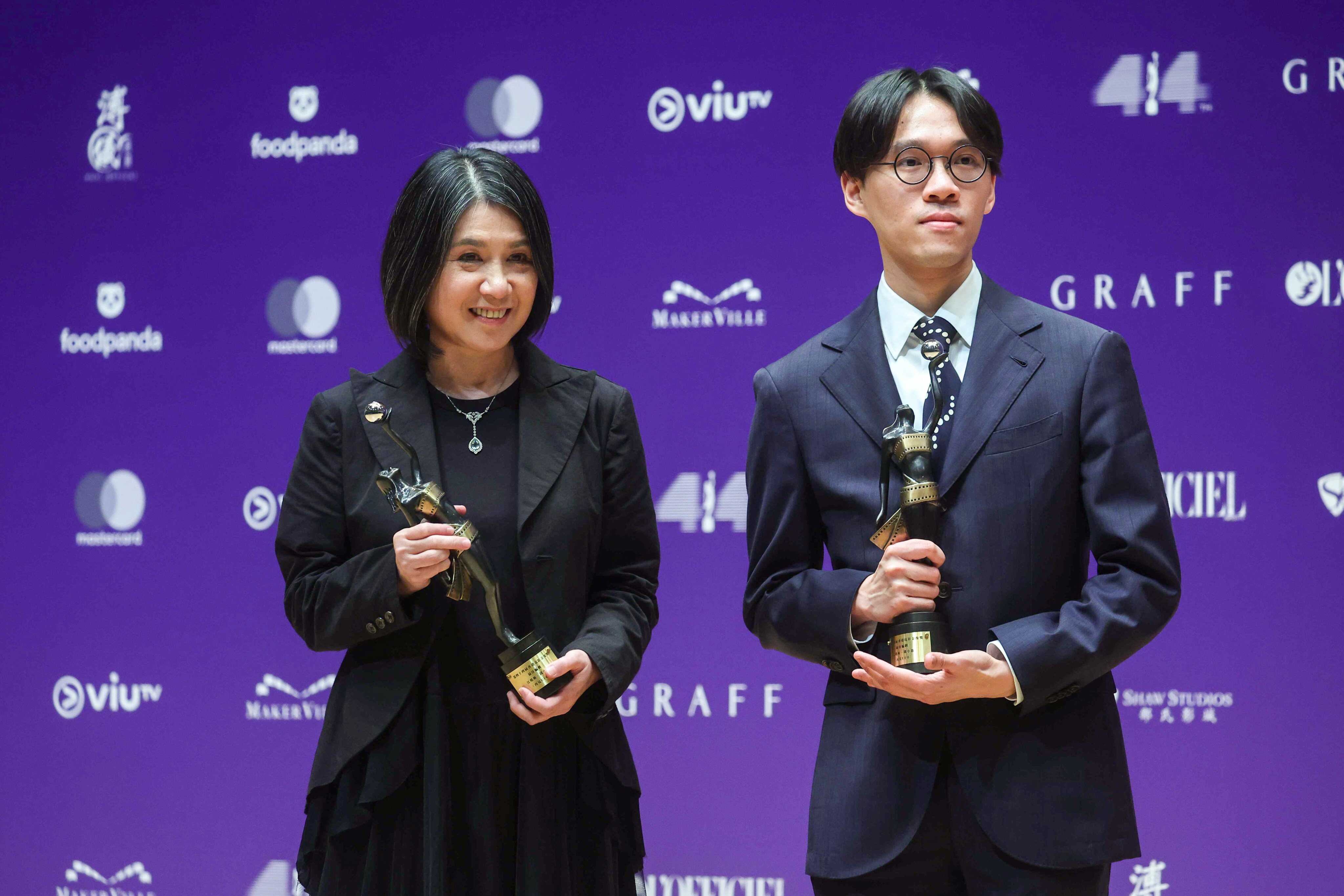
“If you are willing to fantasise, [that] fantasy will bring hope,” one character in Ciao UFO says. The Hong Kong science-fiction film had a theatrical release in March. Just a month later, it swept the 44th Hong Kong Film Awards, scooping up best screenplay, film and director.
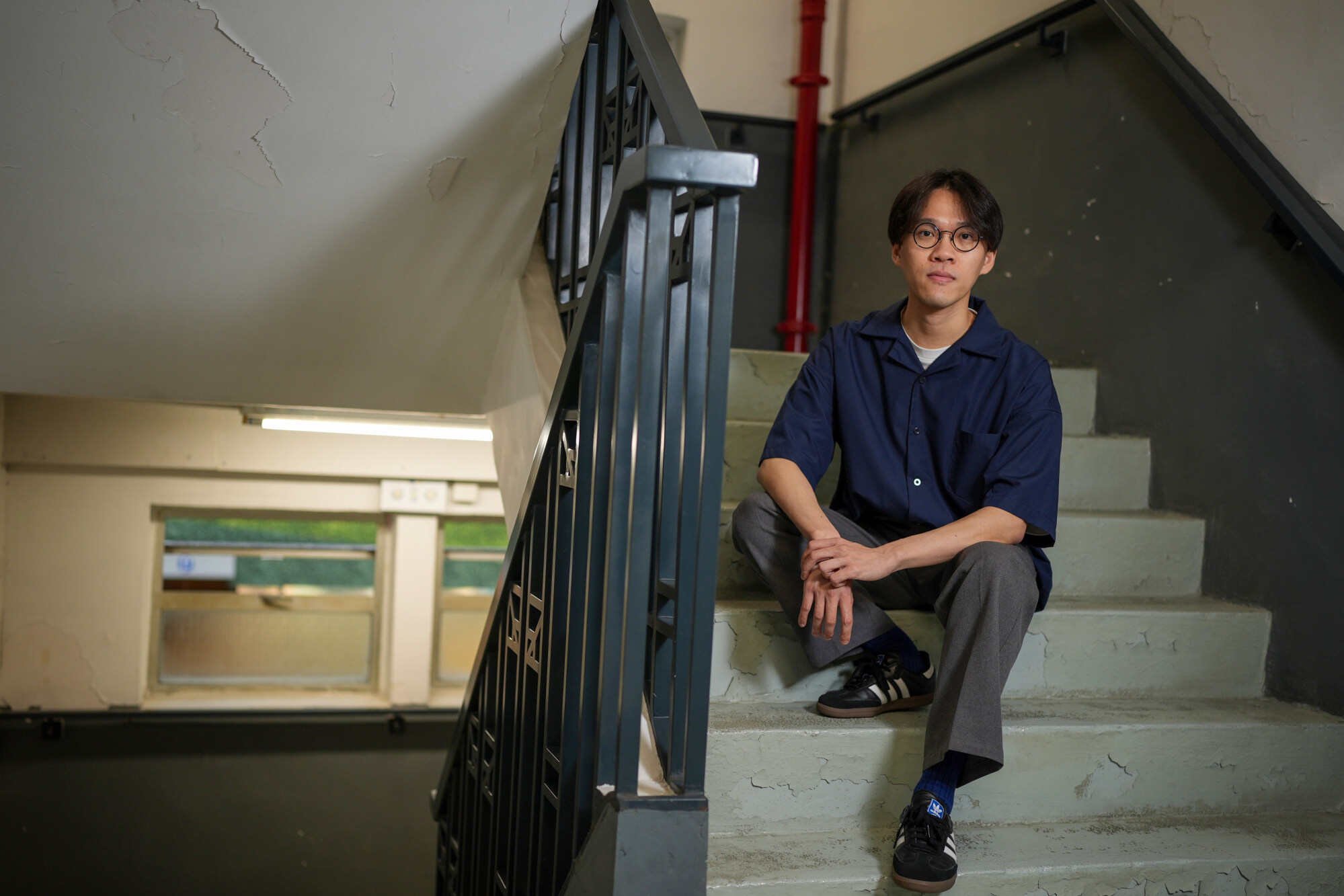
“Ever since I was a child, I’ve always loved reading … My childhood dream was to be a storyteller,” Kong Ho-yan said. The 37-year-old is a lifelong fan of science fiction. He co-wrote the film with producer Amy Chin Siu-wai.
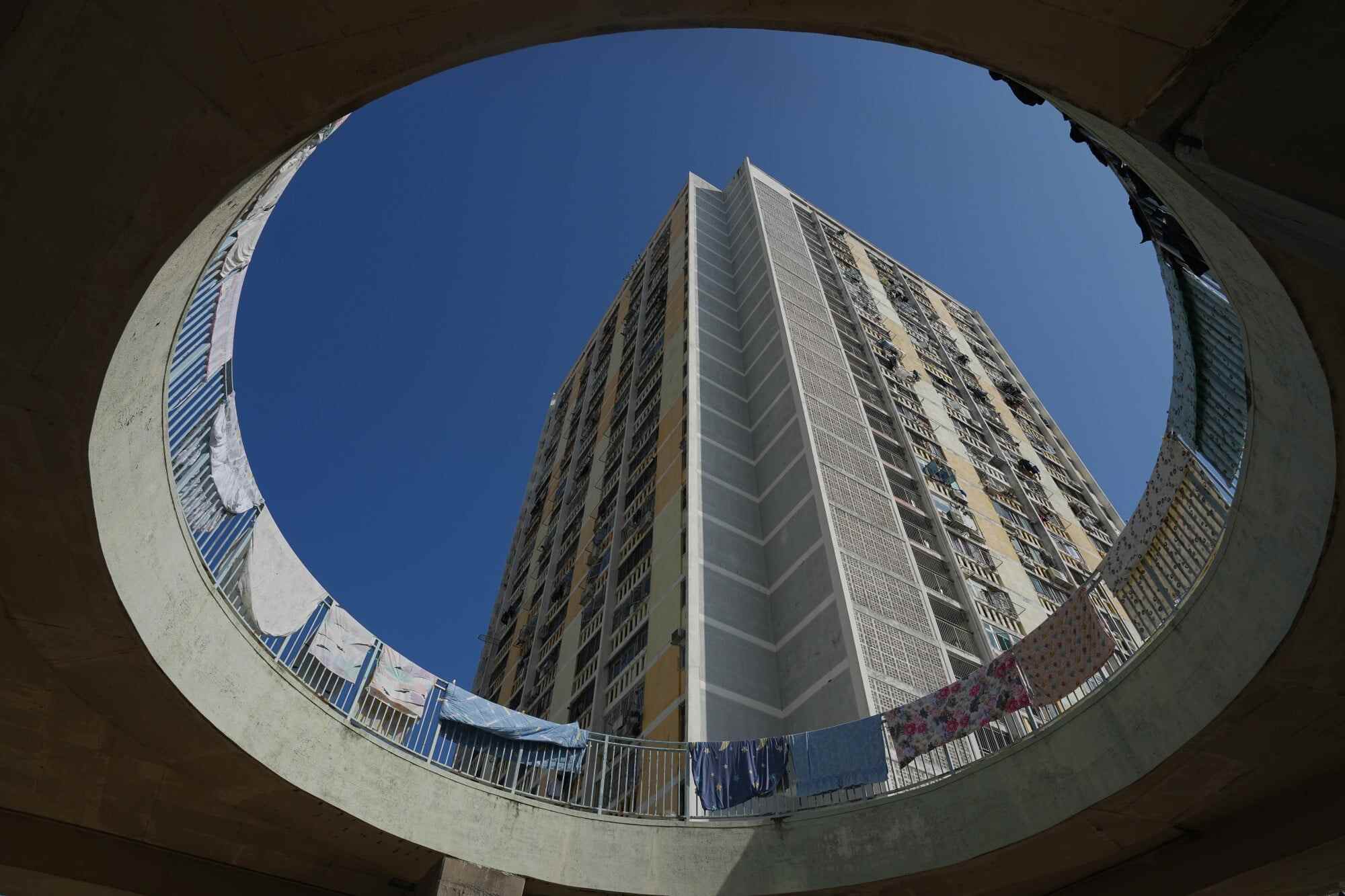
Their screenplay was inspired by one of Hong Kong’s most popular urban legends – reports of unidentified flying objects (UFOs) at Wah Fu Estate in the 70s and 80s.
“We tracked down local residents who claimed to have seen UFOs in Wah Fu Estate and asked them to tell us their stories,” Kong said.
As they researched, the duo found that the most compelling part of the story was not the hovering object in the sky. “The stories of the people seemed more interesting than the UFOs,” Kong said.
Fictional characters, real people
The film follows three childhood friends – Kin, Heem and Hoyi. In 1985, they witness a mysterious light from the rooftop of their home in Wah Fu Estate. Years later, Hoyi’s wedding reunites the old friends, and they confront how much they have changed since that starry night.
While the film intertwines science-fiction elements, Kong said much of the protagonists’ stories is true.
The character Kin was partly inspired by Kong’s father, who nurtured his fascination with astronomy.
“When I was a kid, he often talked to me about these things, which probably influenced my curiosity about the world beyond,” Kong said.
Heem was inspired by a friend of Kong’s who had a genetic disorder. Doctors said he would not survive past the age of 11, but he beat the odds and lived into adulthood.
Hoyi was based on an auditor friend of Kong’s who worked long hours and had little time for her personal life.
“When [Hoyi, the female lead] gets married, she realises that the highlight of her life is already behind her … How should she face that?” Kong said.

Hong Kong, the fourth main character
The film affected people who grew up in Wah Fu Estate. Kong received messages from audience members who drove to the estate and revisited childhood memories.
That local connection was hugely important for the film. Alongside its human protagonists, Kong said he believed the city played an equally important role: “The kids are the three main characters, and the fourth is Hong Kong.”
The film visits key moments in the city’s history. It starts with the stock market boom in the 80s, then sees the 1997 financial crisis and Hong Kong’s handover. It ends on April 1, 2003, with the death of Cantopop star Leslie Cheung and the outbreak of severe acute respiratory syndrome (Sars).
Kong is from a younger generation than his characters, but he identified with Hoyi’s younger brother, who closes his eyes during the UFO sighting and misses it entirely.
“For people of my generation, we seem to have lived through this legendary era, but we didn’t really feel it,” Kong said. “We were young, and we didn’t see it.”
Still, he believes the film’s themes will resonate with modern audiences: “Economic downturns, the pandemic or the life trajectories of these people … these things happen repeatedly across different generations.”
Growing and learning
Even with the prestigious award in hand, Kong said he still sees screenwriting as a craft that requires constant learning.
His discipline is guided by his passion, which first appeared through books, science fiction and childhood daydreams about worlds beyond our own.
I think my favourite thing to do is create,” he said. “When you find something that really speaks to you, and you think you can do it more naturally than others, that perhaps is the soul, the soul that you belong to.”