YoungPost Club Learn
DOWNLOAD OUR APP
appstoregoogleplay
FIND US AT
My JourneyMy Vocabulary BuilderMy Leaderboard
My AccountSearchFAQAbout UsContact Us
Subscription Plan
School Subscription
YOUNG POST
NewsTrendingBeing wellLearning zoneShare with usQuizzes
SPARK
NewsTrendingBeing wellLearning zoneShare with usQuizzes
POSTIES
Big readEye on the newsHa-ha-happeningsThings to doYour saySteam studioHealth and happinessQuizzes
Subscribe to Young Post Club to access our great content
ABOUT US|CONTACT US|WRITE FOR US|PRIVACY POLICY|TERMS & CONDITIONS
©2026 Young Post Club. All rights reserved.
My Journey Hello
Brand Avatar
Young Post
My Journey illustration

With a subscription, you can answer quizzes and track your reading progress.

result
Learn new words with our vocabulary challenge!
My Journey illustration

With a subscription, you can answer quizzes and track your reading progress.

result
Learn new words with our vocabulary challenge!
My Journey illustration

With a subscription, you can answer quizzes and track your reading progress.

News / World / Environment

Muskrats cut down invasive plants so native wildlife can grow in US wetlands

The rodents chew on cattails and create space in the Great Lakes for diverse plants and animals
byTribune News Service
Published: 2:00am, 20 Nov 2025
Length: 177 words
Muskrats cut down invasive plants so native wildlife can grow in US wetlands

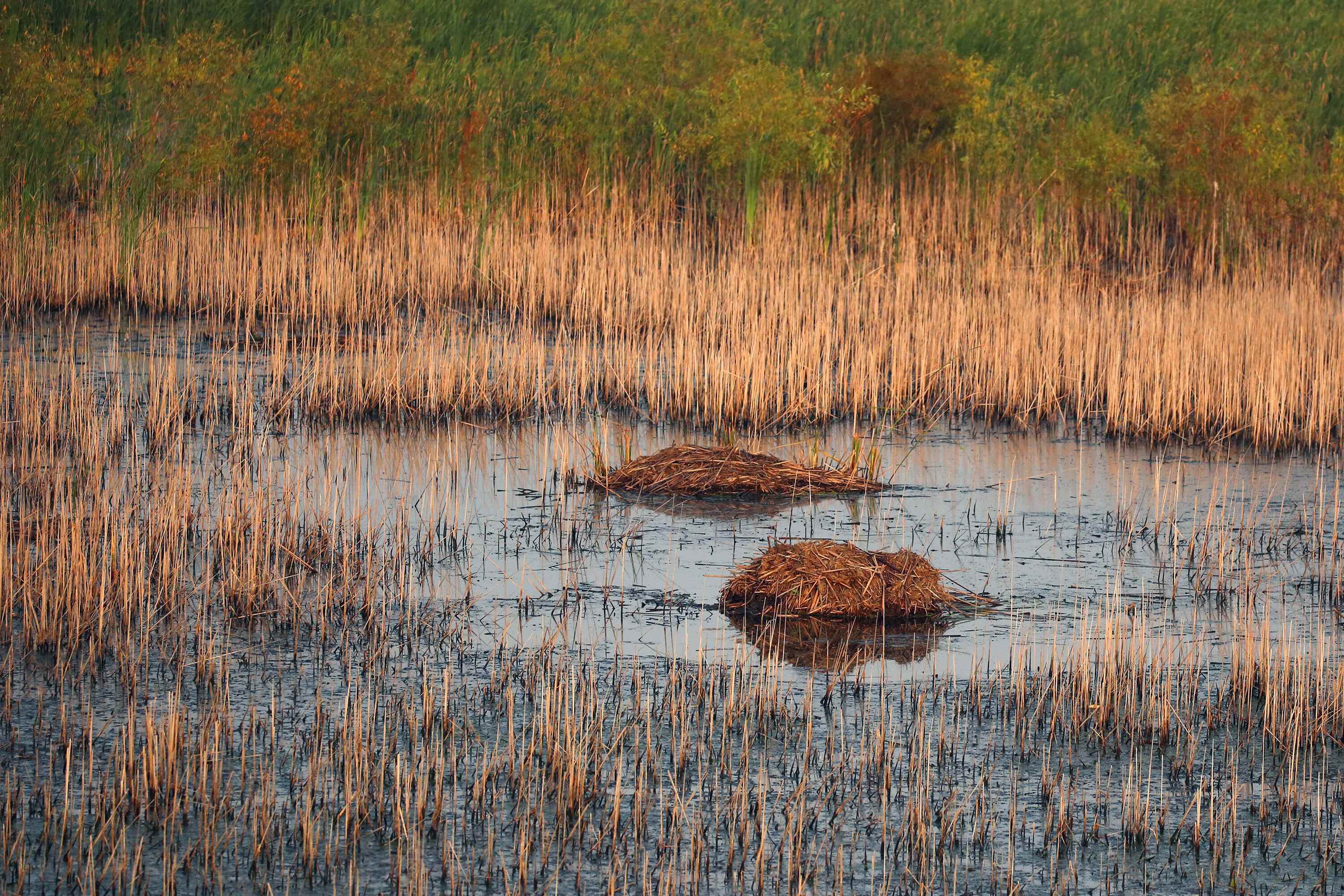
Muskrats create areas in wetlands where other plants can grow. Photo: TNS

Muskrats are helping to restore degraded wetlands across the Great Lakes in the US.

These large, semi-aquatic rodents have big teeth. They enjoy eating and making their homes from invasive cattails.

“The cattail comes in [and] outcompetes the very diverse community of native plants,” Shane Lishawa said. Lishawa is a researcher at Loyola University Chicago.

“And that prevents not only plants, but the aquatic organisms ... birds and amphibians from accessing and utilising these wetlands.”

Muskrats can cut down tall cattails. They create small openings where plants of different heights can grow. That creates homes for native wildlife.

Scientists are copying the muskrat’s cutting method to help restore wetlands. These wetlands once covered more than 1 million acres in the Great Lakes area. But now, only about half of that remains.
IN THIS ARTICLE
Animals
United States
Environment
KEEP READING
cover
English exercises
5-minute listening: Goats are the new sustainable firefighters
10 Mar 2024
cover
News
The Lens: Invasive squirrels in Japan could have devastating impact
07 Jan 2024
cover
News
Public outrage as Polish institute classifies felines ‘alien invasive species’
27 Jul 2022