If you are interested in joining future Face Off debates, fill out this form to submit your application.
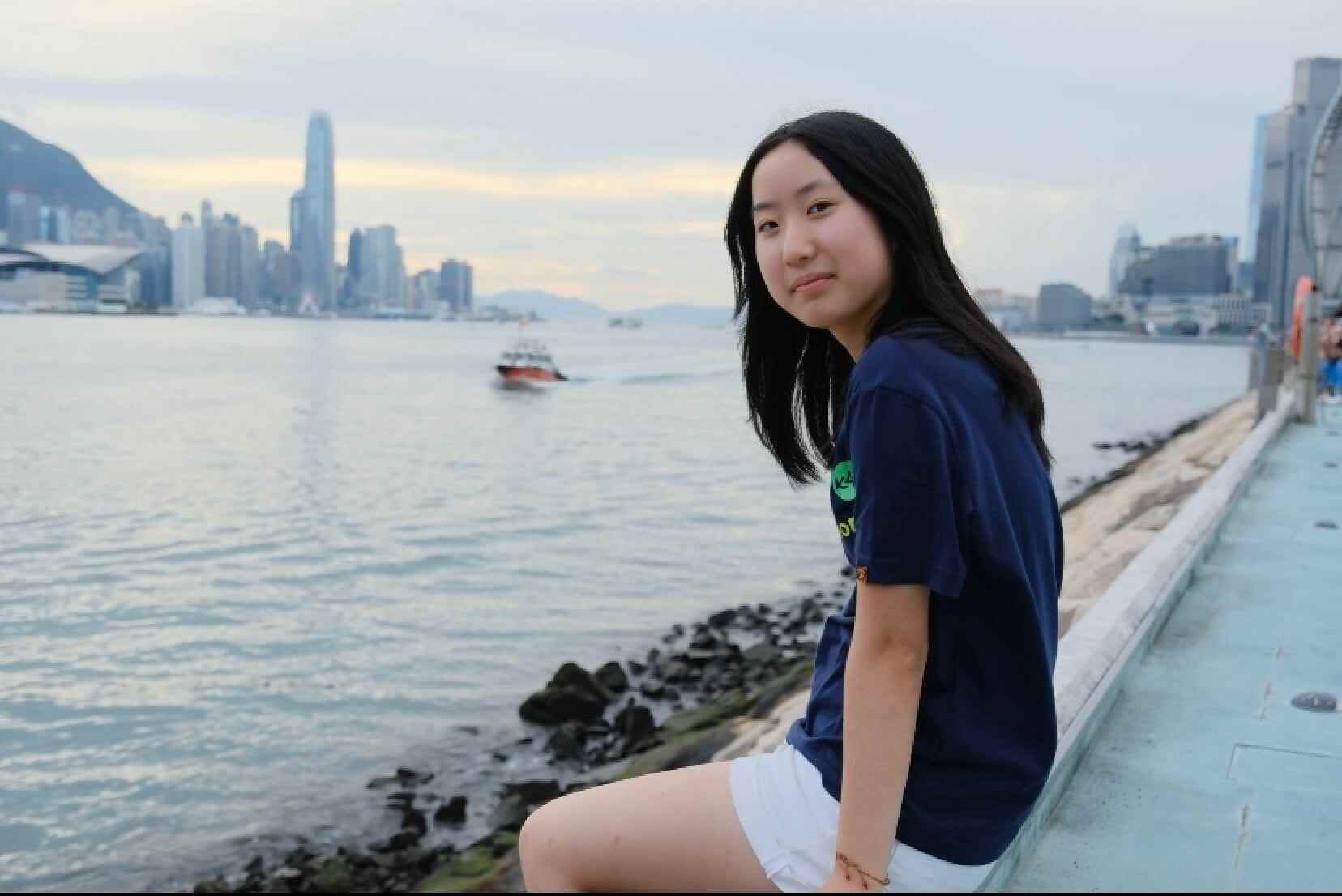
For: Sophia Ling, 14, German Swiss International School
In a city as diverse as Hong Kong, classrooms bring together students from a wide range of cultural and religious backgrounds. Thus, schools should be places where students learn to coexist in such a multicultural society.
Celebrating religious holidays in class is not necessarily about promoting belief or forcing participation, but about recognising and respecting the identities of Hong Kong students.
When approached thoughtfully, these celebrations can help foster understanding, inclusion and mutual respect.
Celebrating a religious holiday does not have to mean worship. Religious holidays can be approached in a cultural and educational way, focusing on history, traditions and shared human values rather than religious practice. For example, learning about Ramadan can involve discussions about fasting, charity and self-discipline, while Diwali can be explored through its cultural symbolism of light and renewal.
This exposure to different traditions helps students understand and respect how people can have different beliefs. Allowing students to learn about one another’s traditions in an open, guided environment reduces ignorance and prevents stereotypes from forming.
Avoiding the topic of religion may seem like a neutral, culturally inclusive move, but it often leads to discomfort or misunderstanding when students enter society and encounter others with different religious beliefs. Open discussion about religion can encourage empathy and help students appreciate everyone’s uniqueness.
Moreover, some religious holidays, particularly Christian ones such as Christmas and Easter, are already widely recognised in schools. Expanding this recognition to other faiths creates balance and fairness, ensuring that no group is overlooked. For students from minority backgrounds, seeing their traditions and cultures represented can foster a stronger sense of belonging and inclusion.
In an international city like Hong Kong, understanding diversity and fostering mutual respect are essential to building a more welcoming society.
By celebrating religious holidays in an inclusive and fun way, schools can prepare students not just for exams but for living respectfully in a diverse society.
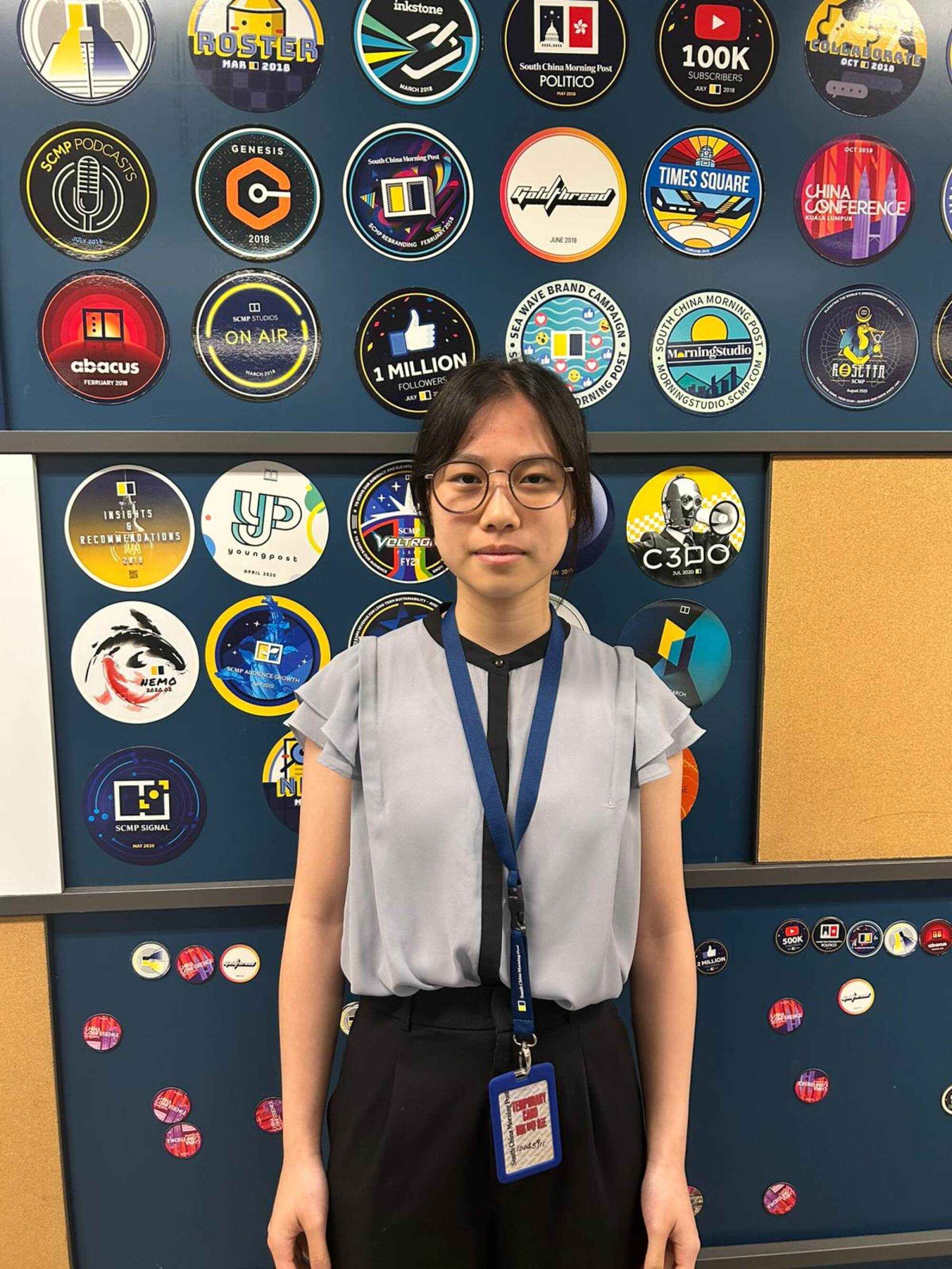
Against: Hayley Sum, 16, St Paul’s Convent School
Hong Kong schools currently have days off for multiple religious holidays, including Buddha’s Birthday, Christmas and Easter. This selection is far from representative of the melting pot of religious activity that is Hong Kong. Inevitably, we find ourselves at a crossroads. Do we embrace more religious holidays and celebrate them in class, or do away with religiously rooted celebrations in schools altogether?
Nowadays, we talk a lot about cultural preservation and heritage, so it may seem disingenuous to suggest excluding religious celebrations in schools. After all, Hong Kong is a medley of ethnic and cultural activity.
According to the 2021 population census, ethnic minority groups compose around 8.4 per cent of the population. This suggests a need to accommodate the multitude of religious holidays that stem from different cultures.
Spotlighting holidays from the most prominent religions, such as Buddhism and Christianity, and neglecting the rest is at best a double-edged sword.
Although it pleases most religious students in the city, it is likely to fuel feelings of isolation or even resentment in those whose holidays are omitted.
In addition, agnostics and atheists might feel isolated or uncomfortable during celebrations of religions they don’t identify with. Although they may be supportive of their classmates’ religious activities, they might not agree to participate in them. It is unfair to take time off from class to celebrate the beliefs of certain students when non-believers do not enjoy the same privilege.
Additionally, based on the government’s principle of maintaining religious neutrality, public schools would be suspected of arming themselves with a religious agenda by cherry-picking which holidays to celebrate.
Without a doubt, public schools must avoid expressing a preference in religious matters.
In a city as diverse as Hong Kong, religious matters are best left as private familial matters.
The omission of religious celebrations need not detract from the spirit of cultural education that Hong Kong has encouraged in recent years. Education about religious differences is a better way to promote cultural diversity.