If you are interested in joining future Face Off debates, fill out this form to submit your application.
For: Peter Chui Pui-ling, 16, Maryknoll Fathers’ School
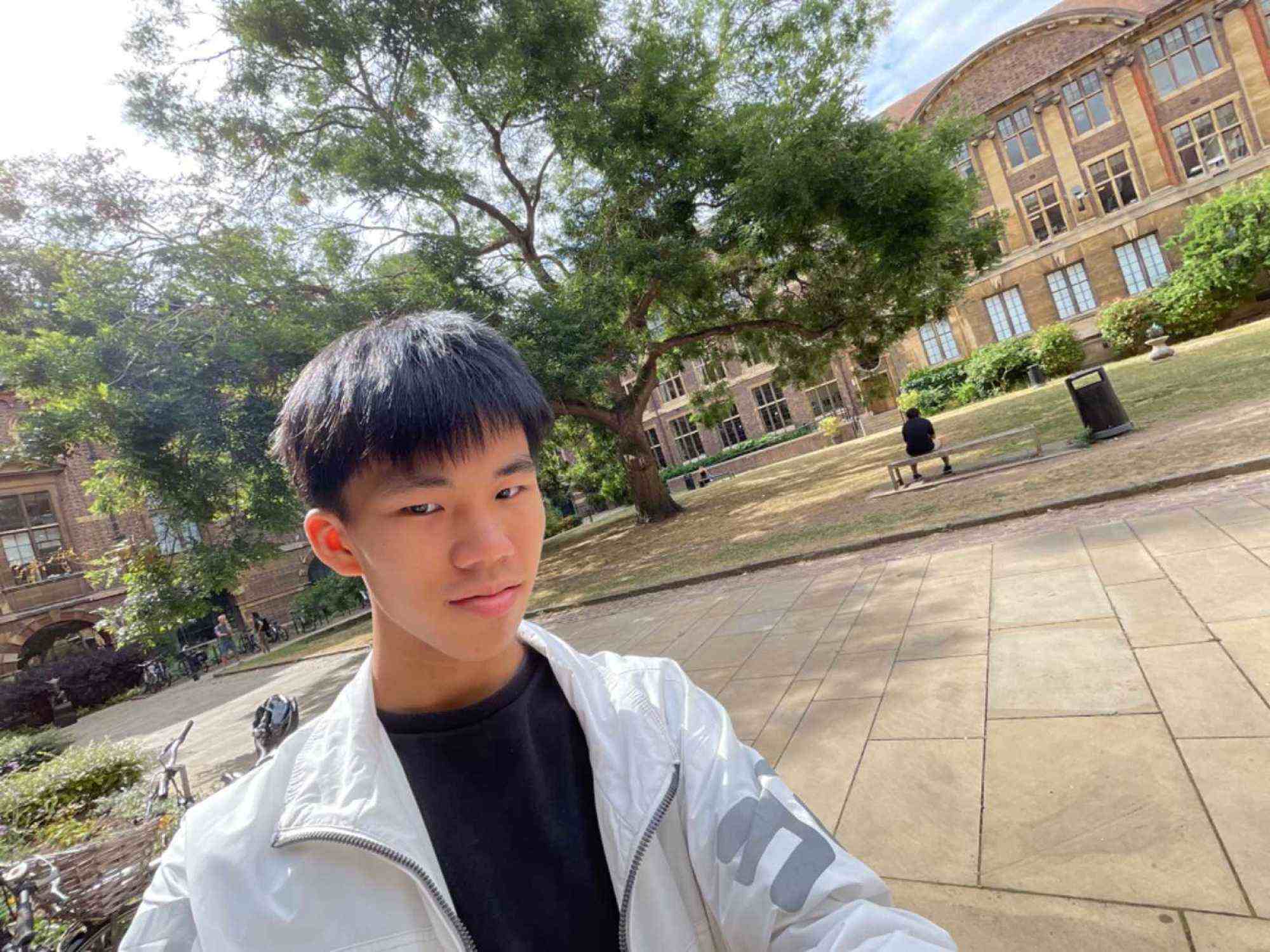
YouTube offers a wide array of educational resources that do everything from explaining complex scientific theories to teaching exam techniques. This platform serves as an effective tool to enhance student learning. Most importantly, the academic approach found in YouTube videos aligns well with the learning preferences of modern Hong Kong students.
Well-produced educational videos on YouTube often combine vibrant visuals, engaging narration and appealing animations to present information more intuitively and memorably for students.
This multimodal approach, which includes pauses and interactive exercises, accommodates diverse learning styles, making it a valuable tool for enhancing the learning experience.
Learning through YouTube educational videos promotes self-directed learning and accountability among students. By engaging with video content, students can progress at their own pace and find resources that cater to their individual needs.
This practice develops essential skills for independent knowledge acquisition. Students are encouraged to revisit the video, think critically, take notes and rewatch sections to better understand the information.
This approach empowers students to take control of their educational journey, which can benefit them in their future workplaces.
Unlike live lectures, YouTube videos are not bound by time constraints; they can be watched anytime and at any pace. Students who are struggling with a difficult concept can revisit the teaching video until they fully understand the material.
These online resources alleviate the pressure of fixed class times, allowing students to access content at their convenience and promoting a more effective learning environment.
While misinformation is a valid concern, the platform will continue to implement strong oversight of the materials uploaded for public viewing. At the same time, students need to learn how to identify reliable sources of information. Therefore, watching educational YouTube videos can be an effective way to enhance their learning.
In conclusion, schools should encourage students to watch meaningful and informative educational videos on YouTube to support their learning progress.
Against: Nicholas Gao, 17, Chinese International School

There are several reasons to be cautious about the widespread integration of YouTube videos into modern learning systems.
A 2021 paper by German researchers Sarah Kohler and Tabea Deitrich advised against the casual use of YouTube videos in education. They argued that many online educational videos lack quality control and could potentially spread misinformation.
According to Kohler and Deitrich, YouTube videos often promote a passive learning style, in which students consume content without actively engaging with their peers, solving problems or thinking critically. This approach contrasts with effective active learning methods, such as note-taking, teacher discussions, group activities and hands-on practice, which are typically emphasised in formal education.
A 2014 study by New York University demonstrated that students often skipped over large segments of educational videos they found uninteresting. If these videos were mandatory in the academic curriculum, it could lead to significant gaps in students’ understanding of the syllabus.
Young children aged eight and under are now spending more time on YouTube than ever before. The time they spend watching online videos has surpassed the time spent watching live television and streaming services like Netflix.
For kids who engage with YouTube videos, gaps in early academic knowledge can develop, potentially leading to serious long-term effects.
Clinical psychologists have raised concerns about young students relying too heavily on YouTube for learning.
They argue that both students and teachers often assume that the content found on the platform has inherent authority. However, much of this material is unregulated, which sets a troubling precedent.
Specifically designed educational platforms such as Quizlet and Khan Academy offer more personalised and tailored solutions.
These platforms feature content created by experienced teachers and allow classroom educators to track students’ progress.
Although YouTube has made certain types of learning more accessible to millions of students, there isn’t yet a convincing case that learning through YouTube is overall effective.