If you are interested in joining future Face Off debates, fill out this form to submit your application.
For: Leah Lei Lok-ching, 16, Cognitio College

Sexual education, like adolescence itself, is a complex process. It is never one-size-fits-all and is rarely complete on its own by classroom standards.
School-based programmes lay the foundation for knowledge, but they are often constrained by outdated frameworks, sociopolitical pressures and a reluctance to address real-world complexities.
Given these limitations, students should absolutely seek sexual education from resources outside their school’s curriculum. Doing so ensures a more inclusive, real-life understanding of sexuality that acknowledges diversity, promotes agency and adapts to ever-evolving social norms.
First and foremost, schools often stick to textbooks and tiptoe around modern sexual realities. They may teach the biology of reproduction but avoid socially sensitive topics such as consent, identity or safe digital intimacy.
Teens must learn how to communicate sexual boundaries, safely explore their gender identity or sexual orientation, and navigate hot topics like sexting, porn or digital harassment without ending up traumatised or vulnerable.
In Singapore, for example, the national “Growing Years” curriculum emphasises abstinence until marriage.
Promoting this message may seem well-intentioned. However, the lessons risk sounding superficial in a world where students live multidimensional sexual and emotional lives.
With minimal discussions about subjects like contraceptives, Singaporean students may be left with questions that can’t be answered in class without going off-script.
Critics might argue that venturing beyond school involves risks: misinformation, pornography masquerading as education, or unverified “facts” floating around social media. While these are valid concerns, the solution is not to close the door; it is to hand students a fact-checking toolkit.
Platforms like Scarleteen and Planned Parenthood are medically accurate, age-sensitive and easily accessible. Teaching students to navigate this information landscape is far better than hoping ignorance will “protect” them.
Students seeking sexual education outside school are not misguided. They are realistic. Real-world readiness demands more than worksheet-level understanding.
Against: Claudia Loh, 16, Po Leung Kuk Choi Kai Yau School
As students reach the age of puberty, comprehensive sexual education becomes increasingly important. It is a valued component of the curriculum in Hong Kong, yet because the school schedule is so tightly packed, teachers cannot devote much time to the subject.
Although schools do not have time to teach sex education in detail, students should not seek outside resources. These resources could be faulty and contain misinformation, and students need someone to guide them towards accurate information.
Comprehensive sexual education covers many topics, such as sexuality, hygiene, puberty, relationships and safe sex. Resources outside the school curriculum can be misguided and contain false information about these subjects.
Hong Kong is not the only place where students lack thorough sex education. According to the Guttmacher Institute, more than half of US students do not receive comprehensive sexual education. It shows why teens should not trust everything they see online, especially when it comes to sex education: you cannot be sure who is putting this information online, whether they have the correct information or if you can trust them.
Students may be exposed to sexual content on social media. Regulating information on these platforms is tricky, as their fact-checking systems are often flawed. Meta has even gone so far as to remove its fact-checkers from Facebook and Instagram, meaning there is no system in place to ensure the information shared on social media is accurate.
This means that teenagers who view posts about sexual content may absorb incorrect information.
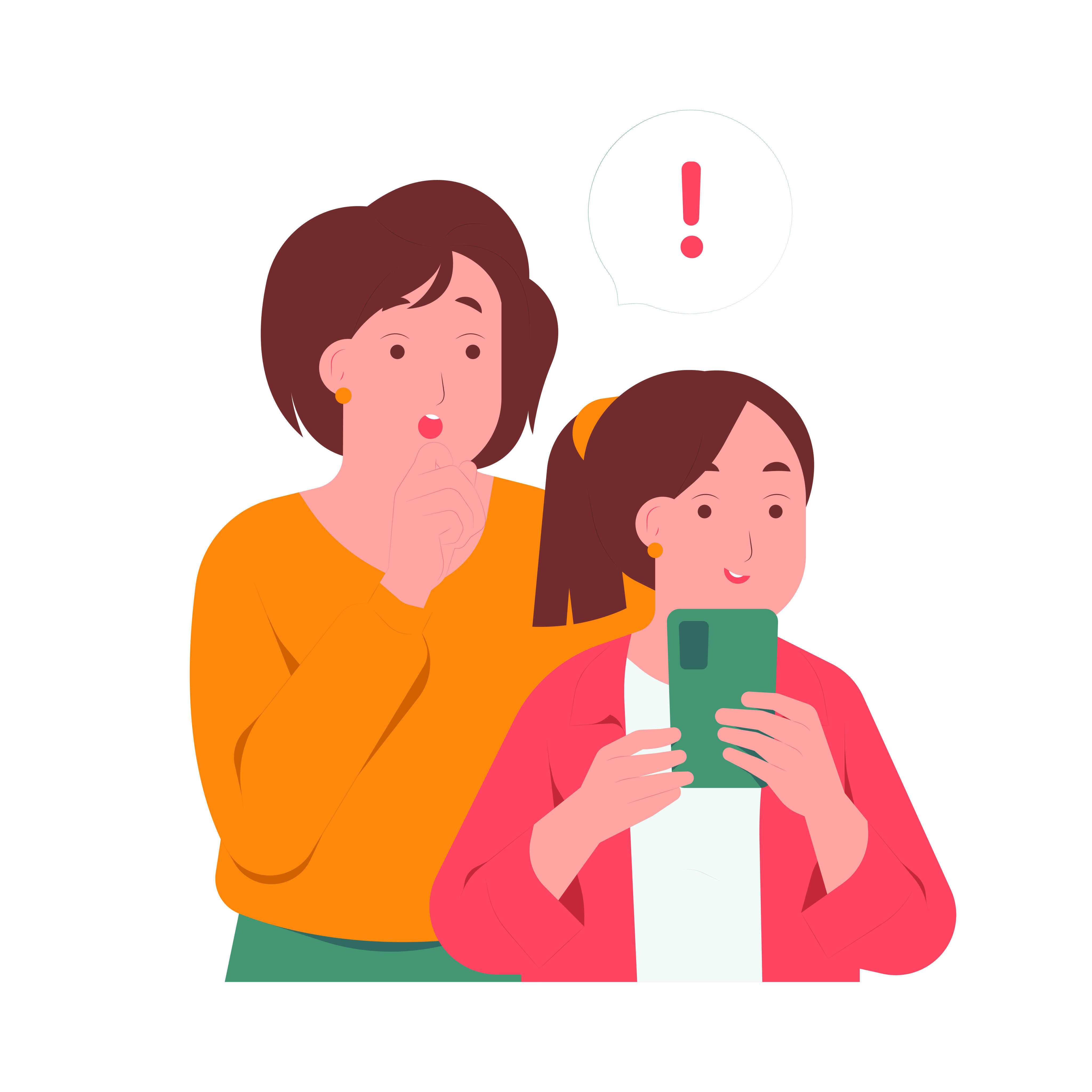
People also tend to share their opinions online, and teens might see strangers’ opinions on sex-related topics and be easily persuaded to agree. They could also be overwhelmed by the volume of content and unsure what to believe or trust.
Sex education is a sensitive topic, one that requires guidance from a teacher or other trusted figure. Students should obtain information only from credible sources, such as their school.
Even though students should always explore alternative viewpoints, they should do so only with the school’s guidance, as this subject requires careful discussion.