




Have something to say? Send us a letter using this Google form.
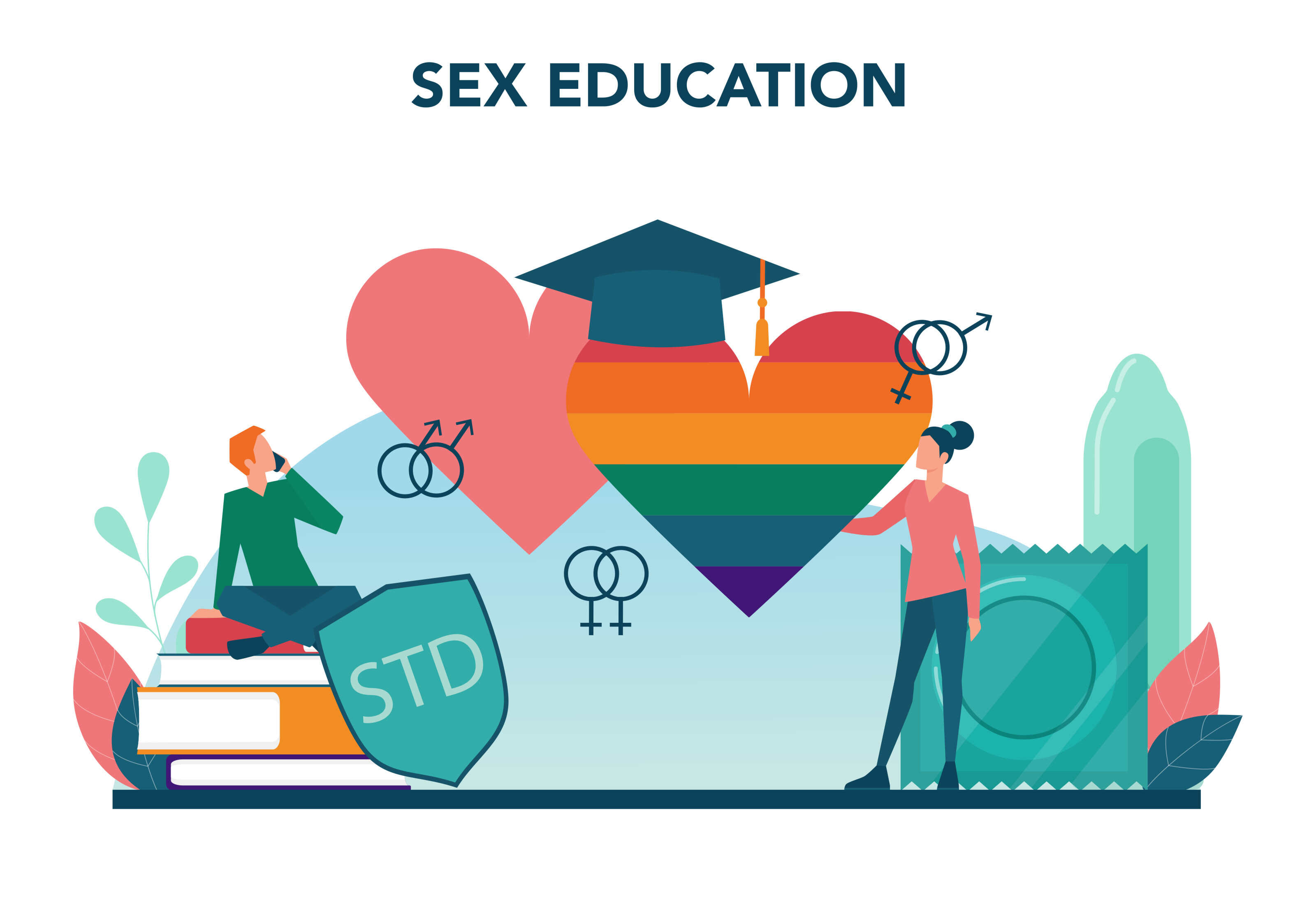
Sex education is essential
Candy Wu, Pope Paul VI College
I am responding to “Nearly 1 in 7 Hong Kong secondary schools do not teach sex education, city’s equality watchdog says” (November 23).
I agree that students in Hong Kong lack sex education. Growing up in a Chinese family, sex is a taboo subject. Chances are you haven’t spoken much about the topic. This happens not only in families, but even in school. So why does sex education matter?

Research shows that culturally responsive and inclusive sex education programmes help prevent partner violence and help young people develop healthy relationships. These programmes have been shown to reduce rates of sexual activity, adolescent pregnancy and sexually transmitted infections.
Because I study biology, I was able to learn more about sex through a chapter about reproduction. But for those who do not take biology, they have fewer chances to learn.
I believe that girls have to learn about sex, so that we will know how to protect ourselves from sexual harassment. It would also help us develop a healthy relationship with our future partners.
Sex education in Hong Kong: Things you need to know, but were too afraid to ask
Look away from the screen
Venus Ho, St Mary’s Canossian College
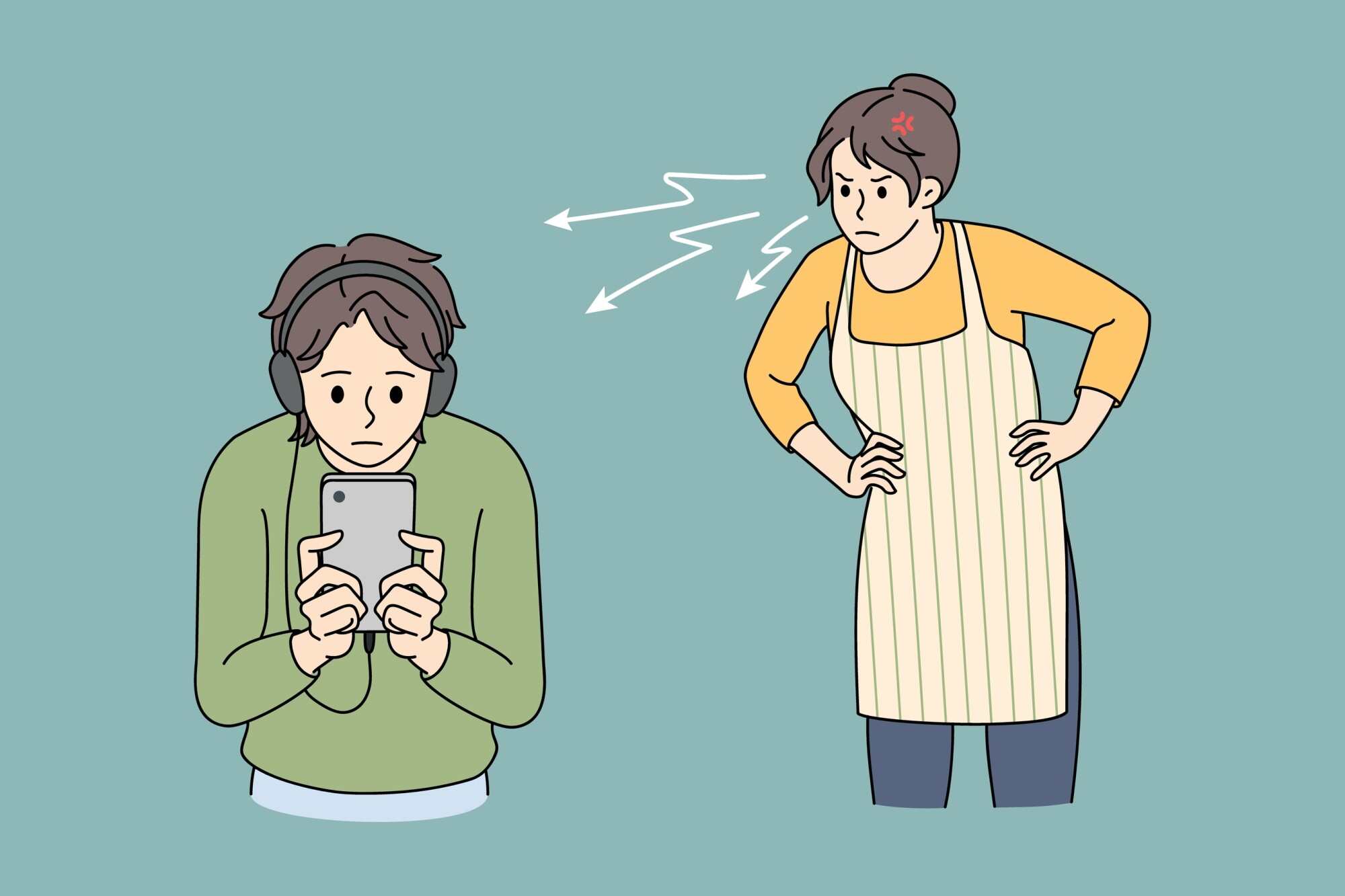
Teenagers spend a lot of time watching YouTube, Netflix and Disney+. I disagree with spending too much time on these platforms.
These streaming platforms significantly increase teenagers’ screen time. As they may lack self-discipline, they cannot stop themselves once they start binging a show. This results in underperforming at school.
Another point of concern is that there is an abundance of videos on these platforms. Some of them contain uncensored scenes of violence, sexual situations or bullying. These graphic scenes will affect teenagers in the long term. It is harmful to their growth.
Hong Kong primary school students’ screen time tripled to 7 hours a day during Covid-19 outbreaks
What’s worse, teenagers will become lazy and attached to their devices. According to a report in the US, staring at a screen for a long time could result in obesity.
Are there any ways to solve this problem? Teenagers need to take breaks, for example every 30 minutes. This would allow their eyes to rest. Parents should also guide them or set a time limit so that they can practise self-control.
Having other interests, like playing sports, may help teenagers leave their devices. Whether playing the piano or doing yoga, they can use their leisure time to do something good for their health.
Parents, take responsibility
Bowie Wong, Pope Paul VI College
Tragic cases of child abuse by parents have become familiar as we hear of them daily. Some parents may punish their children using harsh words. Some children may be physically abused. These tragedies often stem from stress and a lack of parental skills.
Many parents in Hong Kong lead a busy life. They may have no time to rest, let alone take care of their children. Some parents may even vent their anger on their children. Therefore, many children are raised by domestic workers or dropped off at day care centres.
Hong Kong lawmakers call for harsher penalties under new child abuse law
Many child abuse cases happen at nursery centres. Often these centres do not have enough resources and have to handle large groups of children. They may neglect the children’s emotional needs.
Children who are sent to day care may question their parents’ love for them, and some may then misbehave just to get their parents’ attention.
A children’s commission should be established to examine the factors contributing to the abuse. The government should allocate more resources to social workers. Last but not least, parents should own their responsibilities.
Is the Hong Kong government doing enough to protect vulnerable children from abuse?
Who says teachers can’t dance?
Rhea Saxena, King George V School
On November 11, at 6pm sharp, South Island School’s Diwali Night kicked off. SIS had worked for months to prepare for this event.
Diwali is the festival of lights, celebrated across South Asia. The festival is about turning bad spirits into good and cleansing the home to ensure that only good luck remains. Families come together to eat, play cards and pray.
With 150 performers, the atmosphere at SIS was buzzing. Each dance was choreographed to fit an area of India – the dance styles went from garba to bharatnatyam to lavani. Teachers performed a Bollywood-style dance which got a lot of crowd support. Then, parents performed traditional dances accompanied by percussion instruments. To finish, a Year 12 band played Dil Dhadakne Do from the famous film Zindagi Na Milegi Dobara.

I researched bharatanatyam – a South Indian dance that presents ancient stories – as a project, so watching it was a great experience.
The SIS Diwali event – the first since the pandemic began – raised over HK$27,000 for World Vision India, a charity that supports low-income communities in India.
Many students came together to support this event. It is safe to say that everyone there lost their voice from all the cheering and singing.
