If you are interested in joining future Face Off debates, fill out this form to submit your application.
For: Nicholas Gao, 17, Chinese International School
Social media offers a way to connect with friends after school and stay up to date with influencers and celebrities. But it is not all fun posts and cute filters – there is a sinister side to these platforms, and parents monitoring their kids’ online activity would provide extra protection.
While it may seem as if children require social media to stay connected, these platforms often also expose them to harmful content. Social media is a breeding ground for predatory behaviour, racist or hateful speech and graphic violence. Adults may be able to filter through this content, but a child’s developing prefrontal cortex and curiosity may work against them, exposing them to illicit or inappropriate content.
Most social media platforms officially require users to be at least 13 years old to register an account, but platforms often make little attempt to verify age.
According to the US Department of Health and Human Services, almost 40 per cent of children aged eight to 12 in the United States report using age-restricted social media platforms without their parents’ knowledge. This is alarming when you consider that a majority of teens have experienced some form of cyberbullying, even dating back to 2018 when a Pew Research Centre report found that 59 per cent of US teenagers reported being harassed online.
It is apps like Snapchat and Instagram, which offer a function to “disappear” messages, where most kids find themselves dealing with predators and cyberbullying.
While some apps offer safeguard measures, they often fall short. Hitting the “report” or “block” button usually isn’t enough to resolve these problems on its own. But an adult can help.
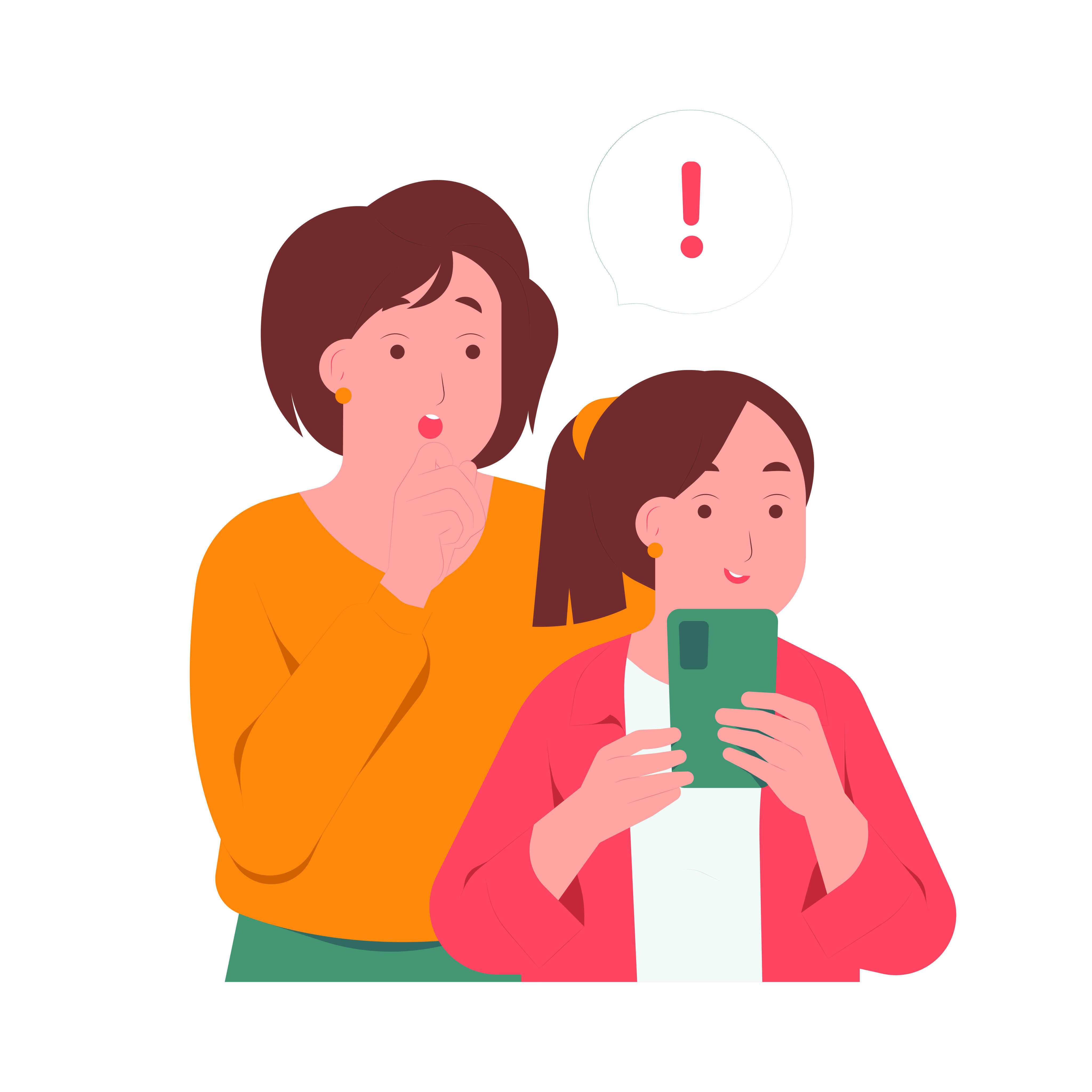
When a parent monitors their kids’ social media accounts, it gives children an opportunity to speak to a caring, understanding adult. Instead of simply taking their children’s phones away, parents can focus on speaking openly to their children about the content they engage with online.
Experts at Unicef say this can help raise media-literate children and build a safer and more inclusive digital environment.
Ultimately, parents can monitor kids’ social media without being nosy or overbearing. If young people are transparent and speak openly to trusted adults about their social media use, it will create a healthier virtual world for everyone.
Against: Angela Guo Yu, 16, Phillips Academy (US)

Given today’s online world, parents would naturally want to peer over their children’s digital shoulders. Predators, cyberbullying and explicit content are only a swipe away.
A report by American think tank Pew Research Centre found that most parents check their children’s web histories or social media profiles. Many also pore over call records and messages, or use blocking or monitoring software.
However, surveillance is a faulty approach. Parents believe it is beneficial, but teens feel dismissed and stripped of their agency. The result is resentment that pushes adolescents toward workarounds or clandestine use.
A 2025 survey of younger secondary school students in Wuhan, Yichang and Xiaogan in China found that parental supervision positively correlated with problematic smartphone use, suggesting scrutiny fuels anxiety and rebellion rather than reducing harm. Teens confide in parents less, who are then obscured to the very dangers they fear.
Surveillance also does not address the causes of these problems. Monitoring can reveal late-night doomscrolling or alarming texts, but it cannot address the stress, loneliness or social pressure behind them. If the response is punishment rather than support, underlying problems can deepen.
Moreover, social media is a lifeline for LGBTQ teens, youth facing abuse and other marginalised adolescents who often find affirmation and communities online when such support is scarce in real life.
Parental surveillance can stifle individuals who are still learning about themselves. A 2021 survey by the American NGO Centre for Democracy and Technology of primary and secondary schools in the United States found that nearly 60 per cent of students self-censored their writing because of monitoring software.
Conditioning children to post only what adults approve of blunts their critical thinking and normalises conformity.
Most importantly, platforms’ algorithms amplify harmful content and have poor content moderation and weak reporting tools – these are structural problems beyond the reach of parental monitoring.
Thus, the better path starts at home with transparent, ongoing conversation and family planning that respects privacy while setting reasonable expectations.