If you are interested in joining future Face Off debates, fill out this form to submit your application.
For: Heer Donda, 16, King George V School

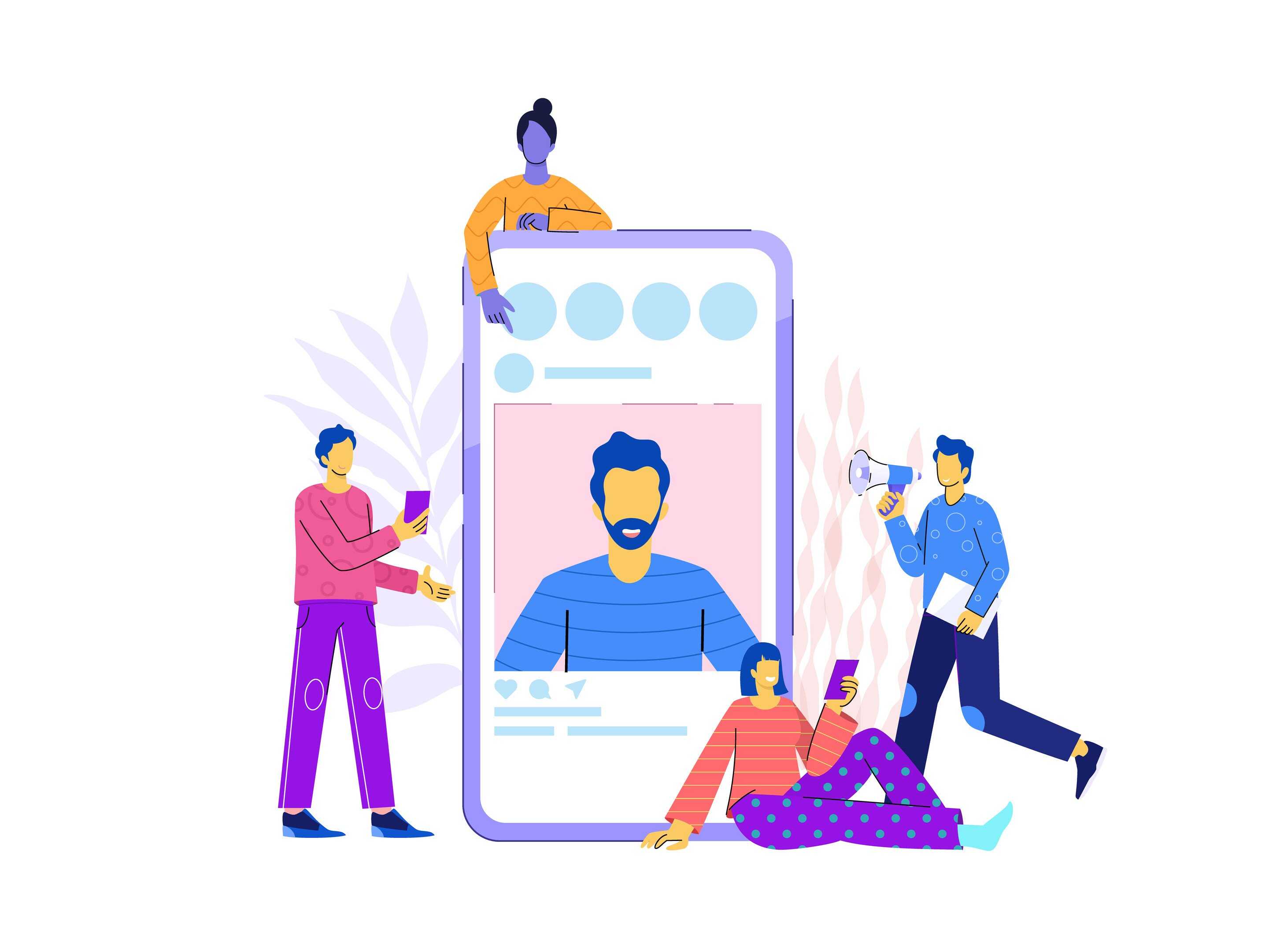
Social media apps are some of the most popular online platforms around the world, especially among young people.
But while the rise of such apps has improved communication and the spread of information, their accessible nature has left teens attached to their screens.
Therefore, it is safe to say that simple features, such as time limits built into these apps, could be the difference between a wasted day and a productive one.
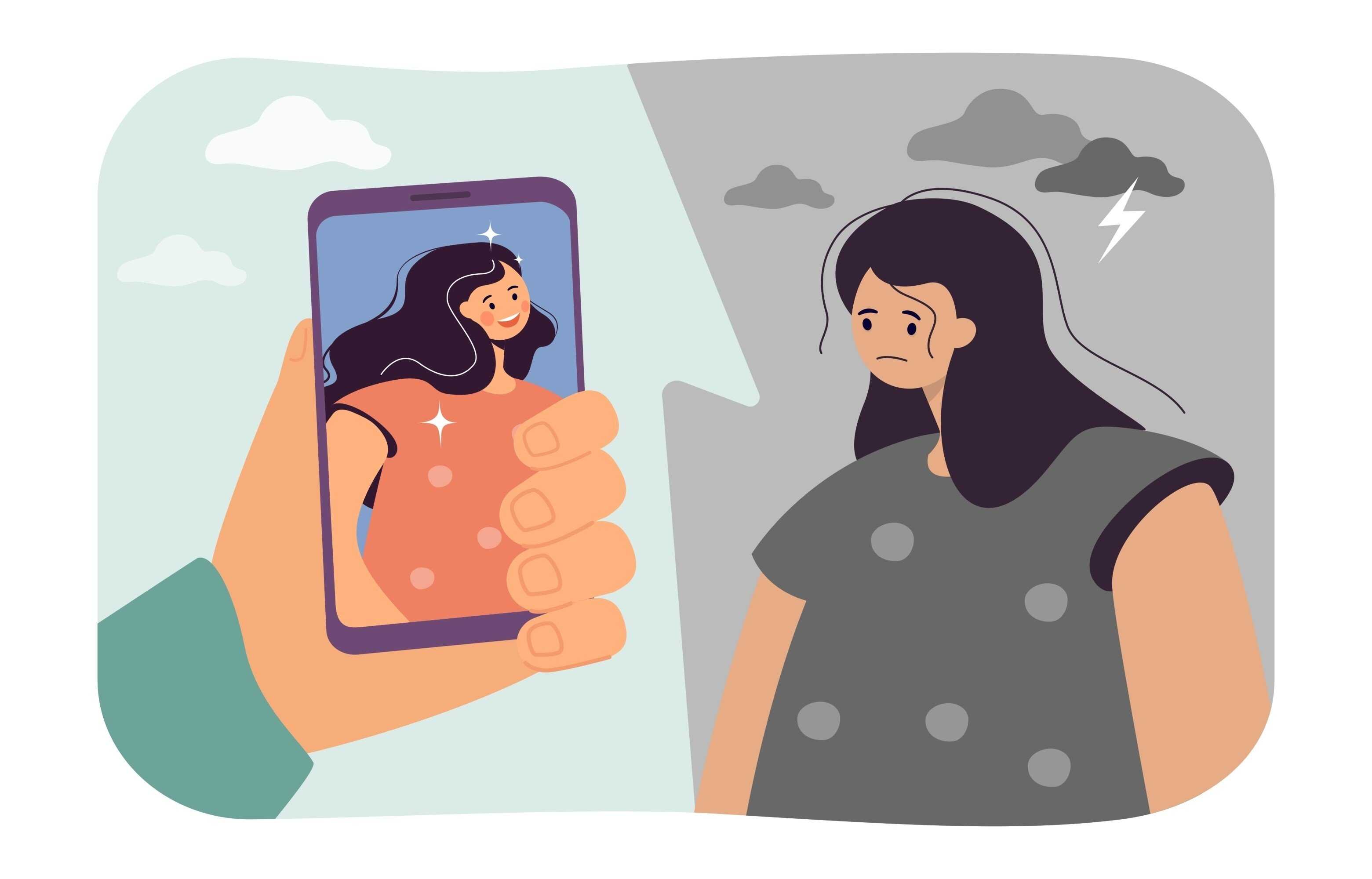
Social media allows us to see the lives of those who are not just in our immediate surroundings. But excessive use of these platforms has been shown to be strongly linked with depression and anxiety.
For instance, one 2024 study published in The International Journal of Indian Psychology found that female students who were “over involved” with social media had significantly lower prospective memory. This is the ability to remember to perform a planned action at a future point in time.
Social media seems to offer a never-ending supply of content, causing people to lose time scrolling on their devices instead of working towards their goals.
Unrestricted social media usage can interfere with schoolwork and student progress. That is why a daily time limit would be the ideal solution. Since many social media apps are primarily used for entertainment, a time limit would not harm users.
While you may miss using these platforms for communication, other applications allow for calling and messaging, especially for emergencies, without the addictive entertainment.
A time constraint would help decrease the chances that someone becomes too reliant on social media.
While having self-control and awareness of time spent online would be best in the long run, a time limit could be useful until this goal is met. Instead of seeing it as a forceful restriction, we could view it as a gentle reminder.
While spending time on social media is important for those whose income relies on these apps, they largely spend their time arranging brand deals, producing content and editing images and footage. A time limit should not prevent them from earning a living.
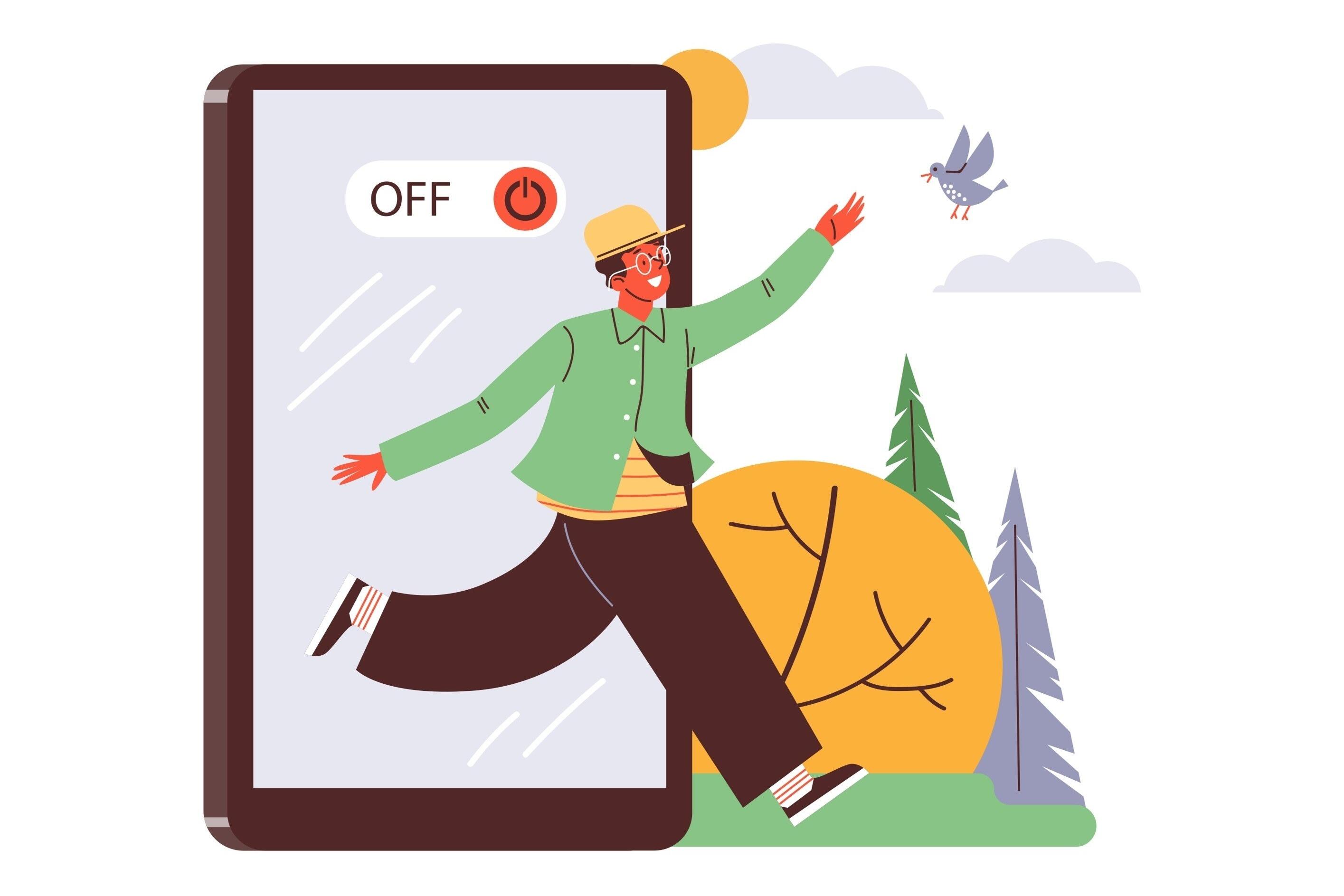
This time limit would benefit everyone. Some might have trouble adapting, but hopefully, this limit would eventually compel users to explore other productive activities and real-life interactions.
Against: Mischa Lan, 13, Po Leung Kuk Choi Kai Yau School

A daily time limit on a social media platform, such as Instagram, does not consider the different ways that these applications can be used.
For some, social media is vital for maintaining relationships, professional networking and creative expression. Thus, having uniform time limits reduces social connections, fails to address the diverse needs of users and could end up increasing phone use.
Some people rely on platforms like Instagram to keep in touch with friends and family who live far away or to promote their creative work. For instance, one user might use Instagram to promote their brand or products, while another might use it to keep in touch with friends after moving to a different city.
A one-size-fits-all time limit does not account for these intentional and meaningful uses. This may cut off important social and professional connections. Should we sacrifice our relationships and creativity for a rigid time cap that treats all users the same?
Moreover, mandatory daily limits can have unintended consequences. When users feel restricted, they may binge during their allowed time or find ways to bypass the limits, which can worsen compulsive behaviour. Instead of reducing use, strict time limits might lead to more intense, less controlled engagement during permitted periods.
Tristan Harris, a former Google design ethicist and co-founder of the Centre for Humane Technology, writes on his organisation’s website about how the design of smartphones and apps deliberately exploits human psychology to encourage prolonged use. Features such as push notifications and infinite scrolling are specifically designed to keep users engaged longer than they intend, leading to compulsive behaviour.
According to a 2025 report by SQ Magazine, the average smartphone user receives about 46 notifications daily, and 64 per cent of users report feeling addicted to their phones. Push notifications alone can increase app engagement by up to 40 per cent, while apps with infinite scroll features, like TikTok, see users spend an average of two and a half hours per day on them.
Given these statistics, it is clear that the addictive design of apps plays a major role in excessive phone use. Instead of setting daily time limits, a more effective approach would be to allow users to turn off notifications and customise app settings.