If you are interested in joining future Face Off debates, fill out this form to submit your application.
For: Peter Chui Pui-ling, 15, Maryknoll Fathers’ School

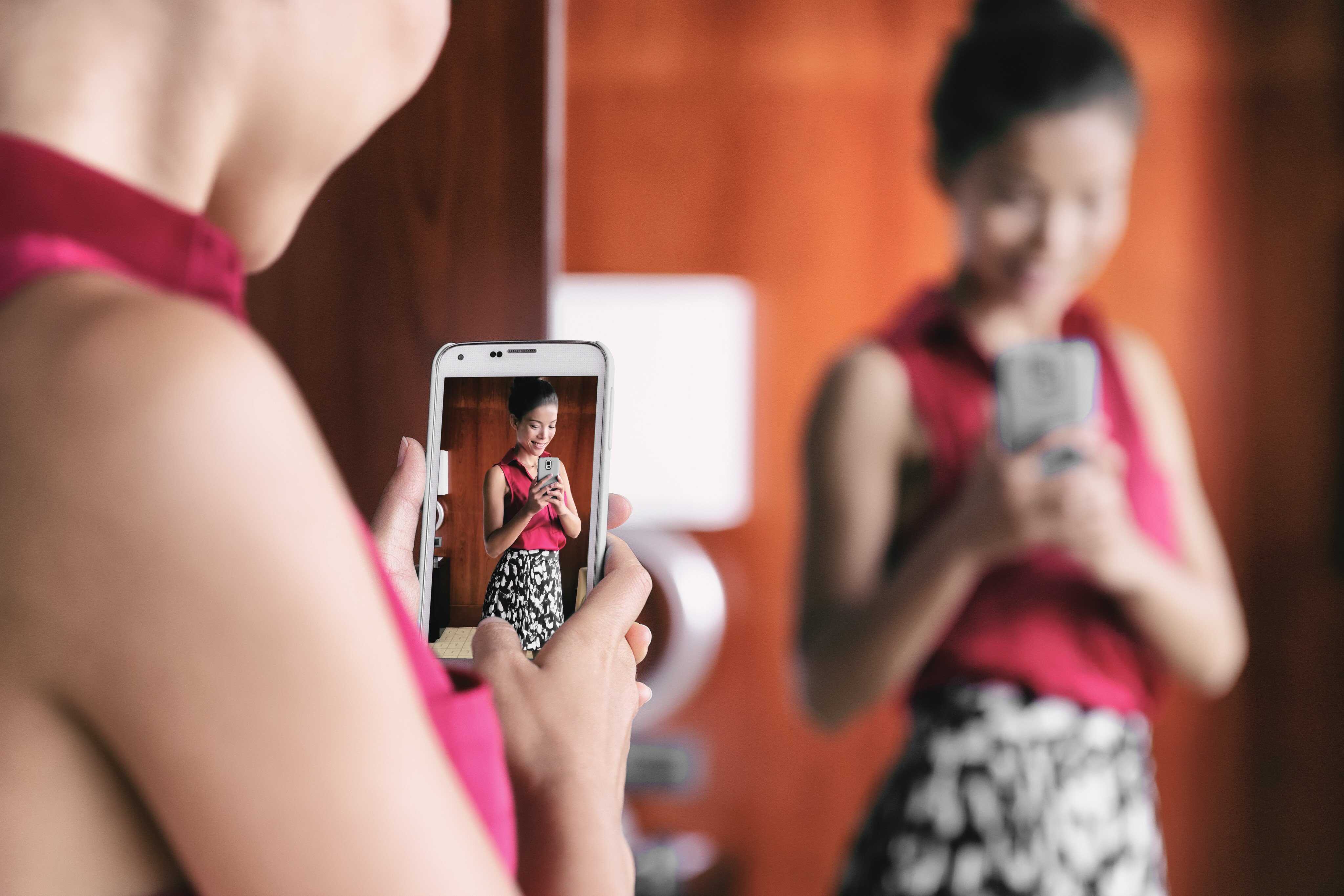
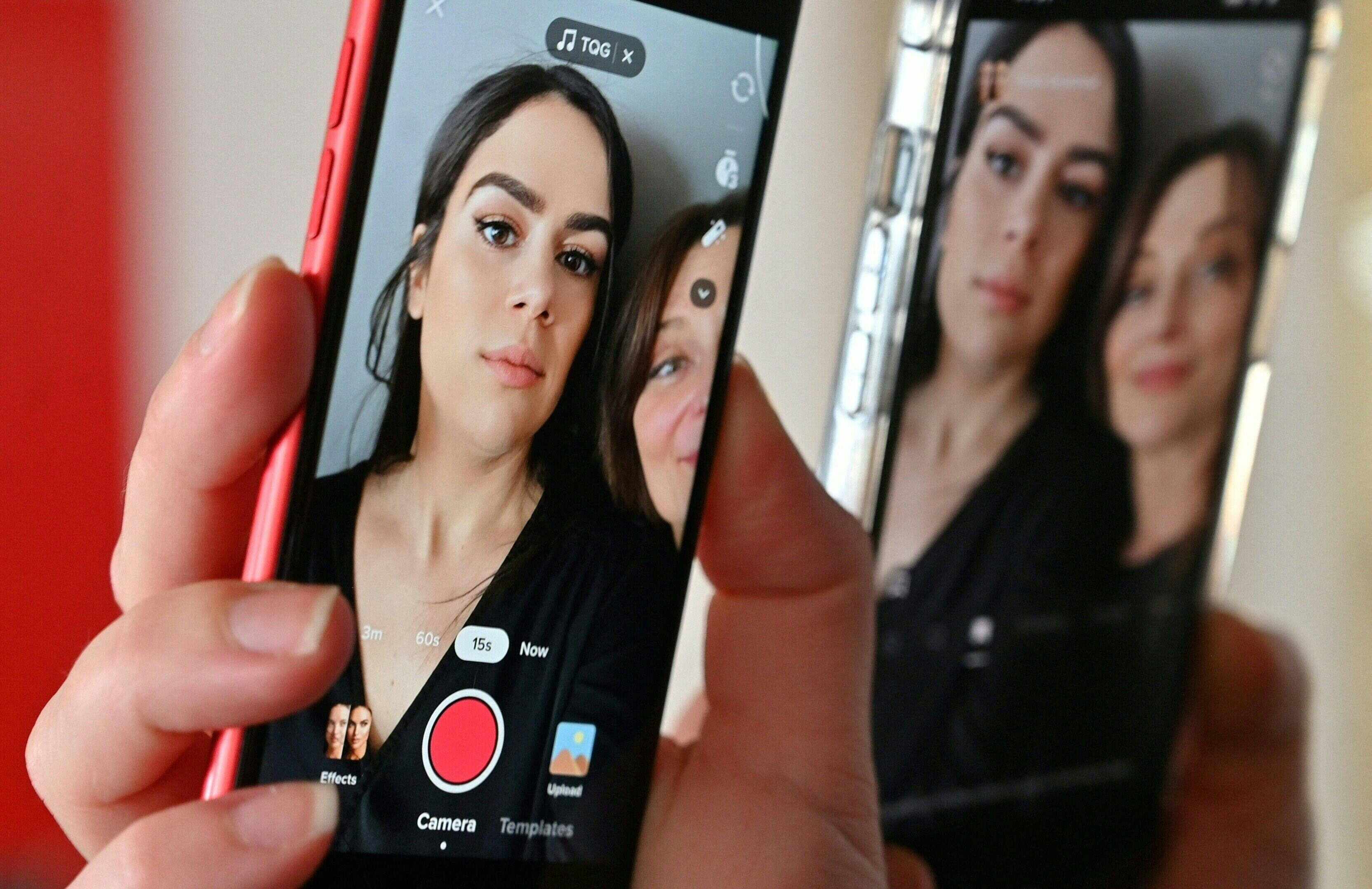
We are now immersed in a digital world that has seen the rise of social media filters over the past decade. These filters serve various purposes, such as enhancing photo quality, creating colourful backgrounds and ultimately producing numerous unattainable illusions. I believe it is time to ban the use of these filters.
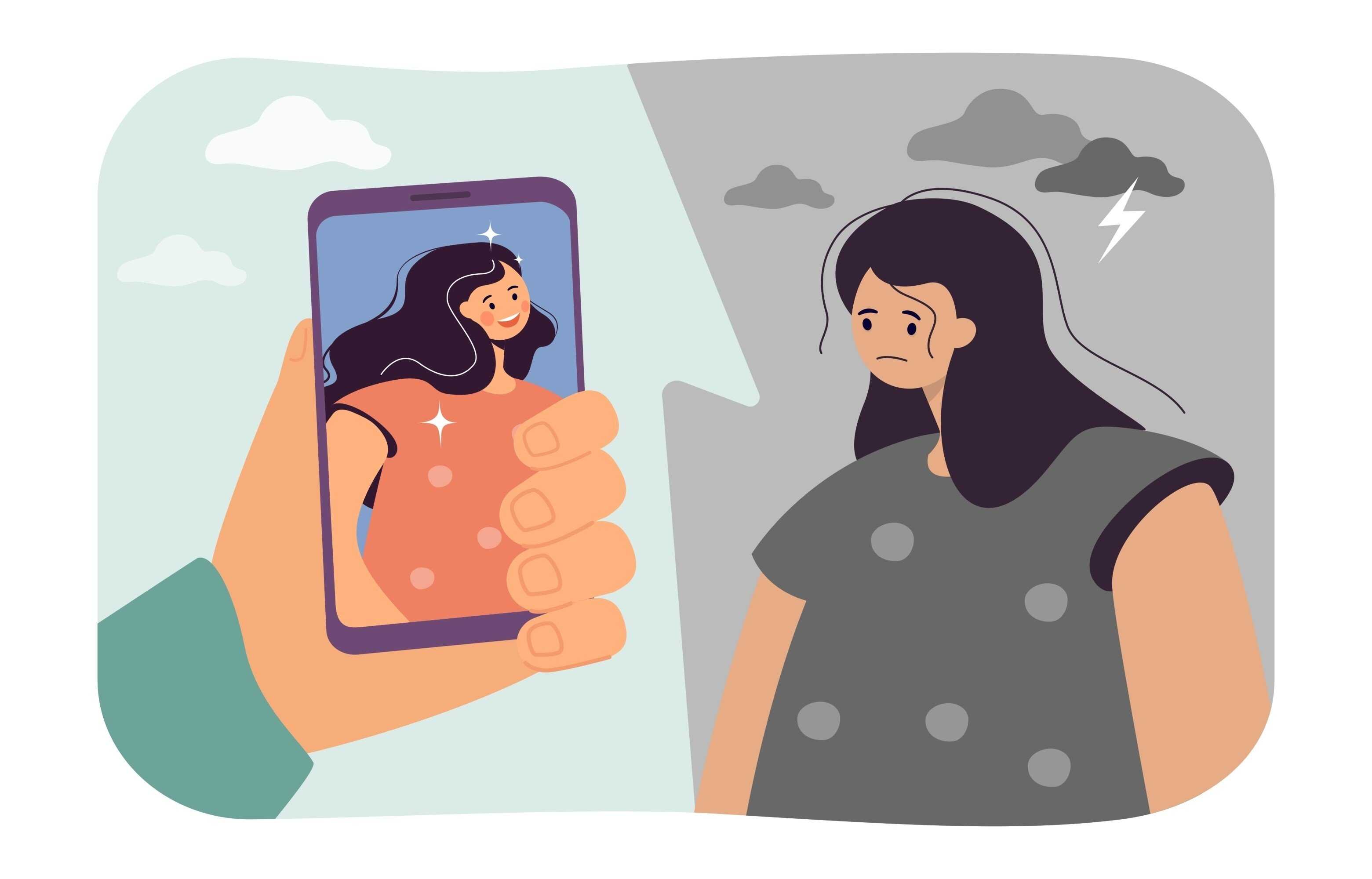
The editing effects create an unrealistic illusion of perfect beauty, as filters are specifically designed to alter one’s appearance. According to a 2022 report from The Petrie-Flom Centre, a department specialising in the study of health law policy at Harvard Law School, many people – especially young people – experience adverse effects due to internalised beauty standards.
Excessive exposure to digitally altered images can result in body dissatisfaction and low self-esteem. Individuals who frequently engage with filtered images are more likely to experience feelings of inadequacy, anxiety and depression.
For instance, a young girl who often scrolls through Instagram may feel that her body shape does not match those of the influencers she follows, leading her to ask, “Am I not attractive at all?” Each time she sees a filtered photo showcasing a flawless figure, it reinforces her insecurities, even though many of these influencers use slimming filters that distort their bodies.
A study published in March in the US National Library of Medicine revealed the effect of social media on people seeking plastic surgery. More than 86 per cent of plastic surgeons surveyed reported noticing the negative impact that social media filters had on their patients.
Experts highlight how the prevalence of filters is accelerating the desire for plastic surgery.
Moreover, social media filters perpetuate a false sense of confidence that can mask deeper issues. When people heavily rely on filters to enhance their appearance, they may neglect their mental well-being. This reliance creates a digital façade that hinders genuine self-acceptance, preventing personal growth.
Young people, in particular, are impressionable victims of social media. They are constantly bombarded with unrealistic beauty standards while using platforms like TikTok and Instagram, where filters are commonplace. This environment fosters an obsession with comparing their lives to the highly filtered versions online. How can we expect minors to express their true selves in such a devalued environment, where they are overwhelmed by the pressure to appear perfect?
Unfortunately, we live in a society where self-worth is based on the filtered looks of others.
We must take action now before further damage is done.
Against: Monique Siu, 16, Chinese International School
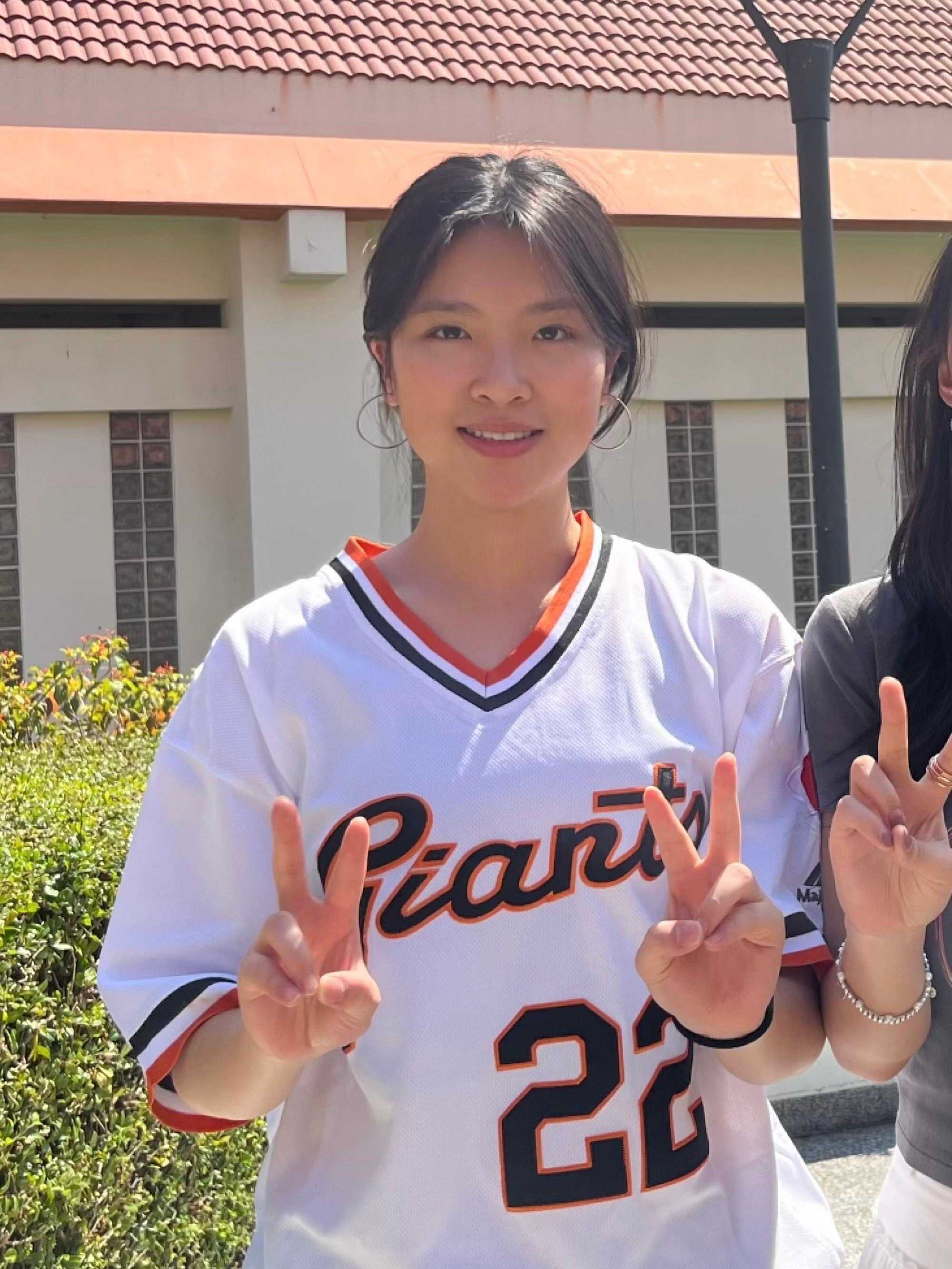
Social media filters, originally designed for playful photo enhancements, have now developed into tools that can completely alter a person’s appearance. While their impact on mental health and body image is significant, implementing a blanket ban on filters would be an ineffective solution. Such a ban would infringe on individual expression and ignore the need for a more nuanced approach.
At its core, banning filters disregards the principle of individual autonomy. A ban would limit bodily autonomy and personal freedoms, as individuals would lose their right to choose how they present themselves online.
For many, social media filters offer a means of self-expression and a sense of security in a digital environment that often imposes unrealistic beauty standards. A study by City St George’s, University of London found that 94 per cent of young women feel “pressure to look a certain way on social media”. Banning filters would remove a coping mechanism for those already affected by these pervasive beauty narratives.
Filters are not the root cause of toxic beauty standards but rather a response to existing societal pressures. Many products in the cosmetics industry, including self-care items and make-up, enhance appearances and boost self-esteem in similar ways.
Furthermore, various industries perpetuate stereotypical beauty standards daily for profit and marketing. Magazine photos, commercials and brand advertisements often involve heavy editing and Photoshopping to attract consumers.
Therefore, a ban on filters would restrict the average social media user from editing and expressing themselves freely.
If filters were banned for promoting unrealistic beauty standards, it would require a consistent approach that might necessitate banning many other products and services designed for similar purposes, ultimately suppressing personal choice.
Many filters can also spark shared trends and challenges, fostering a sense of belonging and collective identity.
In essence, filters provide a means for creativity and personal expression, celebrating the diversity of identities.
Banning social media filters alone cannot eliminate unattainable beauty ideals; these societal issues will persist in other forms.
Instead, a collaborative effort from social media platforms, regulatory bodies, educators and users themselves is essential to foster a healthier and more authentic digital environment.